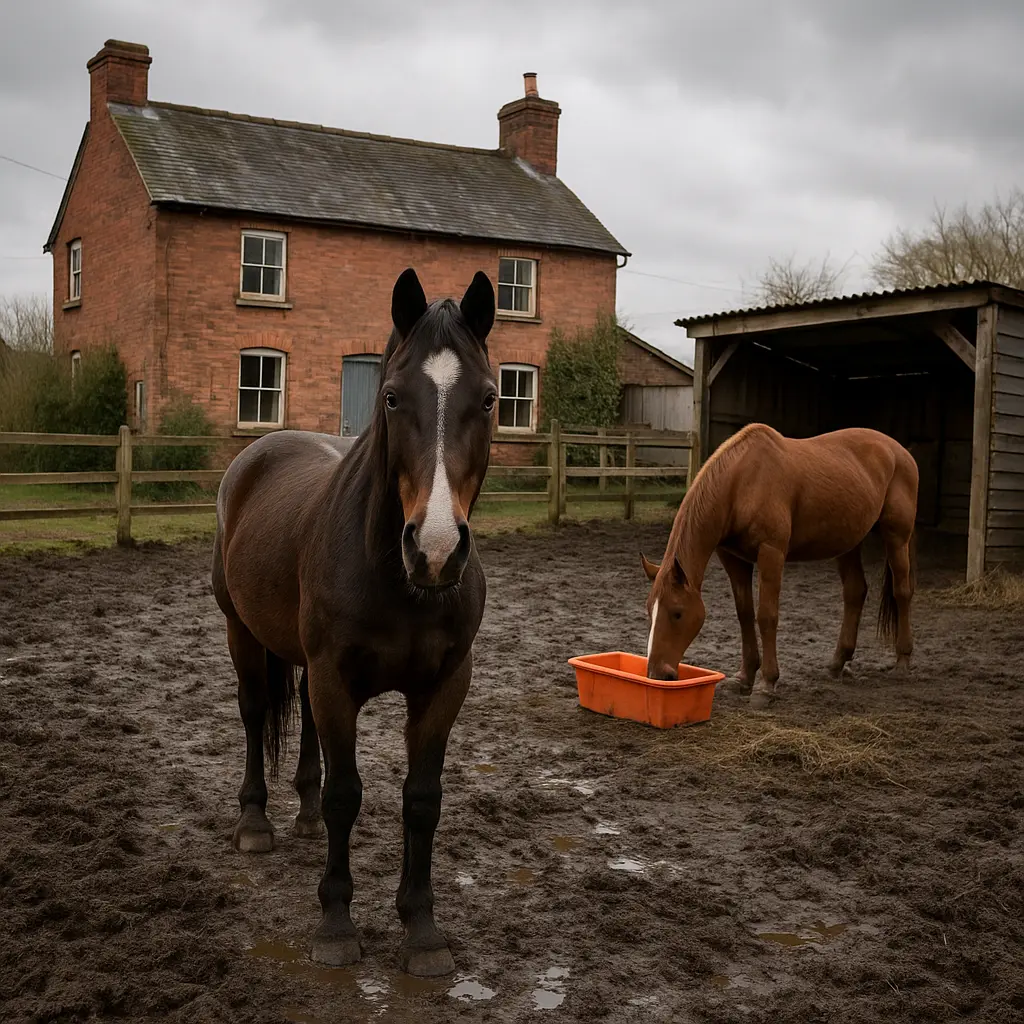
When a long-standing sanctuary sounds the alarm, the UK horse community listens. Equine Market Watch (Sanctuaries UK) — better known as EMW — has announced it’s at risk of closure after losing its farm lease in Herefordshire.
Key takeaway: EMW is a registered UK charity facing the loss of its Bromyard base; before you donate, verify details on the Charity Commission register, check live updates on JustGiving, and ask for clear, itemised plans that show how your support will protect horses right now.
Who EMW Sanctuary is — and what’s at stake
EMW is a registered UK charity focused on equine welfare interventions at auctions, horse fairs and markets; it now faces the loss of its Bromyard farm, putting its operations at risk of closure. The sanctuary operates from Red Lynch Old Road, Bromyard, Herefordshire HR7 4AU and has raised the alarm about its premises ending soon.
According to the Charity Commission’s register, EMW (full name Equine Market Watch (Sanctuaries UK)) prioritises at-risk equines from markets and fairs, providing welfare support and sanctuary care. Its contact details are public: telephone 01885 410570, email emw@equinemarketwatch.org.uk, and website www.emwuk.org.uk. A legacy site at equinemarketwatch.org.uk is also referenced in sector directories. The sanctuary has appealed for urgent help as its current farm arrangement ends, leaving it without a secure base for rescued horses unless new funding or premises are secured.
Community concern is evident on established equestrian platforms:
“Really sad news posted by EMW today that they face losing the farm... resulting in their closure.” — Discussion on the Horse & Hound Forum
Why this matters: EMW’s interventions happen where horses are most vulnerable — in busy, often stressful sale settings. Without a fixed, compliant base, intake and rehabilitation are severely restricted, especially through wet, cold UK winters.
Is EMW a legitimate UK charity — and how do you check before giving?
Yes — EMW is listed on the Charity Commission’s register; you should verify its current status, trustees and recent financial returns before donating. Use the Commission’s official entry to confirm contact information and review how funds have historically been used.
Start here: EMW on the Charity Commission register. On that page, you can:
- Confirm the Bromyard address and official contact details.
- Review annual returns and reports for spending breakdowns (e.g., welfare, premises, veterinary, fundraising costs).
- Check trustee details and the charity’s stated objectives to ensure they align with market and sanctuary work.
Why this step matters: UK charities operate under the Charities Act 2011 and must be transparent about governance and finances. The Commission encourages charities to publish clear reports and explain how appeals will be spent to maintain public trust — exactly what donors should look for in a time-critical rescue.
Quick tip: If you prefer to speak to a person before giving, EMW’s named contact is Elaine Tasker (as listed in sector directories), reachable via emw@emwuk.org.uk or 07870 860825, as well as the main line 01885 410570.
What is the current crisis — and where can you see live fundraising status?
EMW has stated its Bromyard farm lease is ending; without funding or alternative premises, the sanctuary could close. The charity is fundraising via JustGiving under “EQUINE MARKET WATCH (Sanctuaries UK).”
Track progress and updates here: EMW on JustGiving. Campaigns sometimes cite large targets in crises (community discussions mention sums around £500k), but you should treat any figure as provisional and look to EMW’s live updates for the current goal, milestones and any new premises negotiations.
What to look for on the appeal page:
- Itemised costs (e.g., rent or purchase, deposit, insurance, transport, feed, veterinary care).
- Time-critical deadlines (lease end date, notice periods, moving dates).
- Practical milestones (e.g., securing temporary livery, arranging quarantine stables, transport booked).
Pro tip: Ask for a one-page budget that shows how each £1 translates into immediate horse protection (e.g., emergency field shelter, forage for X days, transport for Y horses). Clear numbers create clarity and confidence.
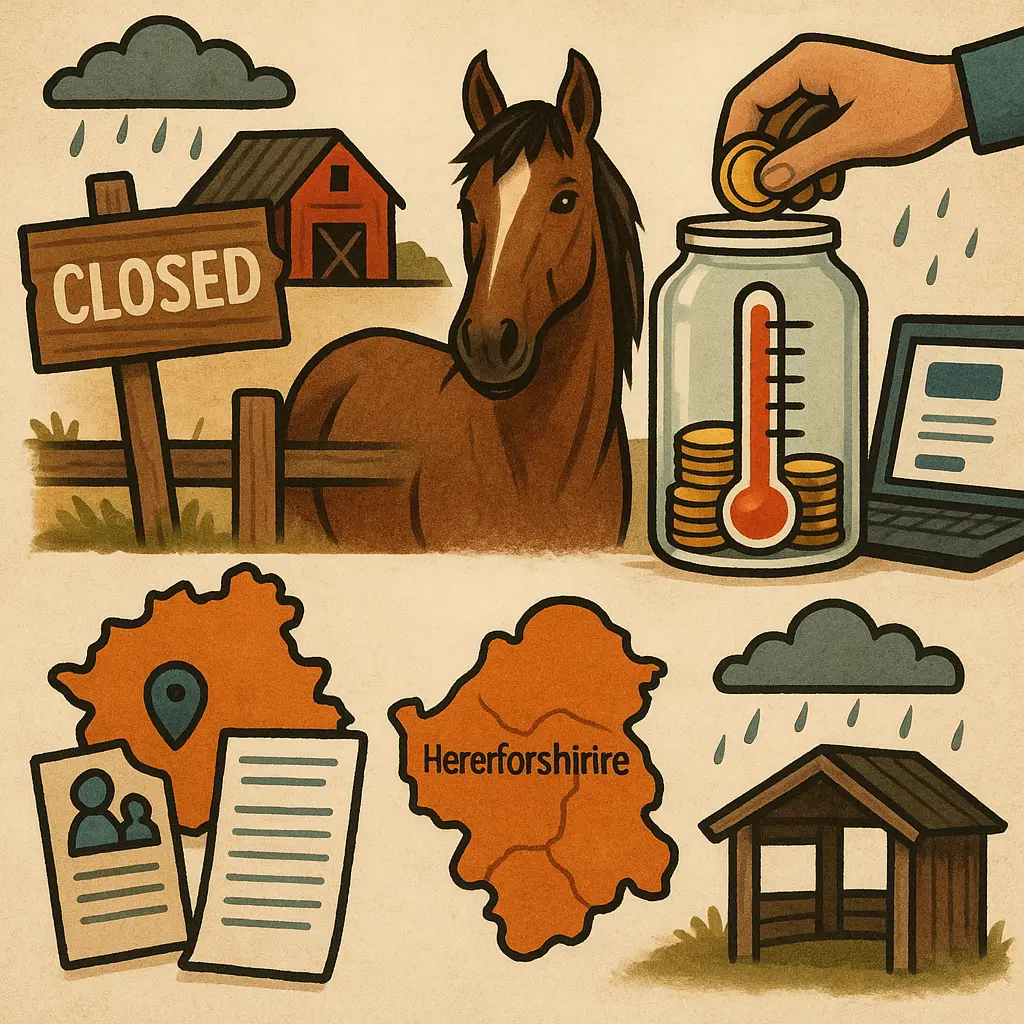
Five concrete ways UK horse owners can help this week
You can verify, contact, donate, offer practical support and amplify updates today. Doing these five things ensures your help is timely and targeted.
- Verify the charity’s status and recent reports on the Charity Commission register before you give.
- Contact EMW directly to ask what will most effectively prevent closure this month: emw@equinemarketwatch.org.uk or 01885 410570. For operational questions, you can also reach the named contact, Elaine Tasker, via emw@emwuk.org.uk or 07870 860825 (as listed in sector directories).
- Donate via the official JustGiving page once you’re satisfied with the plan and transparency: JustGiving — EQUINE MARKET WATCH (Sanctuaries UK).
- Offer rehoming or short-term foster support by emailing EMW. Premises loss creates immediate pressure on capacity for at-risk equines from markets and fairs.
- Stay informed and share verified updates. The Horse & Hound forum thread is a useful community barometer for emerging news and local leads on premises.
At Just Horse Riders, we recommend combining a small monthly gift (to stabilise cashflow) with a practical offer (e.g., transport, loan of field shelters, or feed-in-kind) if you’re local.
How to judge if the rescue plan is viable
Demand clear governance, an itemised budget, and a realistic timeline that safeguards horses through a winter-proof premises plan. The Charity Commission encourages charities to publish how appeals will be used; donors should expect nothing less.
Use this quick viability checklist:
- Premises: Is there a specific site identified (temporary or permanent)? Does it meet welfare standards (secure fencing, shelter, water, quarantine)?
- Weather-readiness: Herefordshire winters are wet and cold (average lows around 2–5°C Dec–Feb). Are there robust stables or shelters, hardstanding, and mud management?
- Budget clarity: Are rent/purchase costs, deposits, utilities, insurance, transport and veterinary costs separated and totalled?
- Timeline and contingencies: What happens if the preferred site falls through? Is there a backup? Is there a plan for continuity of care during the move?
- Governance and reporting: Who signs off spending? How often will updates be published? Are trustees engaged and accountable?
Referencing industry guidance: The British Horse Society (BHS) welfare standards emphasise that sanctuaries must keep horses in secure, compliant environments with adequate shelter, forage, water and biosecurity — a non-negotiable baseline when relocating. While we don’t have a recent BEVA or FRA statement specific to EMW, these UK bodies set recognised benchmarks in veterinary and farriery care that any sanctuary should uphold.
Quick tip: If you’re part of a yard or local group, nominate one person to collate questions and get written responses from EMW. This keeps dialogue focused and productive.
If the farm closes, what happens to the horses — and how to help safely
If EMW loses its base, intake may pause and existing horses could require urgent rehousing via temporary livery, foster homes or partner sanctuaries. Your most responsible help is to offer safe, compliant accommodation and to coordinate directly with EMW.
What acceptable short-term solutions look like:
- Secure, well-fenced paddocks with shelter (natural or man-made) and reliable water supply.
- Isolation space for new arrivals to manage disease risk (ideally 2–3 weeks). Biosecurity matters in any multi-horse setting.
- Reliable forage supply and dry standing to prevent mud-related issues.
- Emergency transport arrangements and a yard plan that minimises stress on arrival.
For winter comfort in exposed, wet sites, consider weather-ready kit. Where rugs are appropriate to individual horses, winter turnout rugs and stable rugs can be vital in maintaining condition during stressful transitions. Footing and limb protection matter too — keep horse boots and bandages on hand for support and travel.
Pro tip: Keep a simple intake sheet for each rescued horse (ID, condition notes, farriery due, worming status, feeding plan, any wounds). Consistency across foster homes prevents gaps in care.
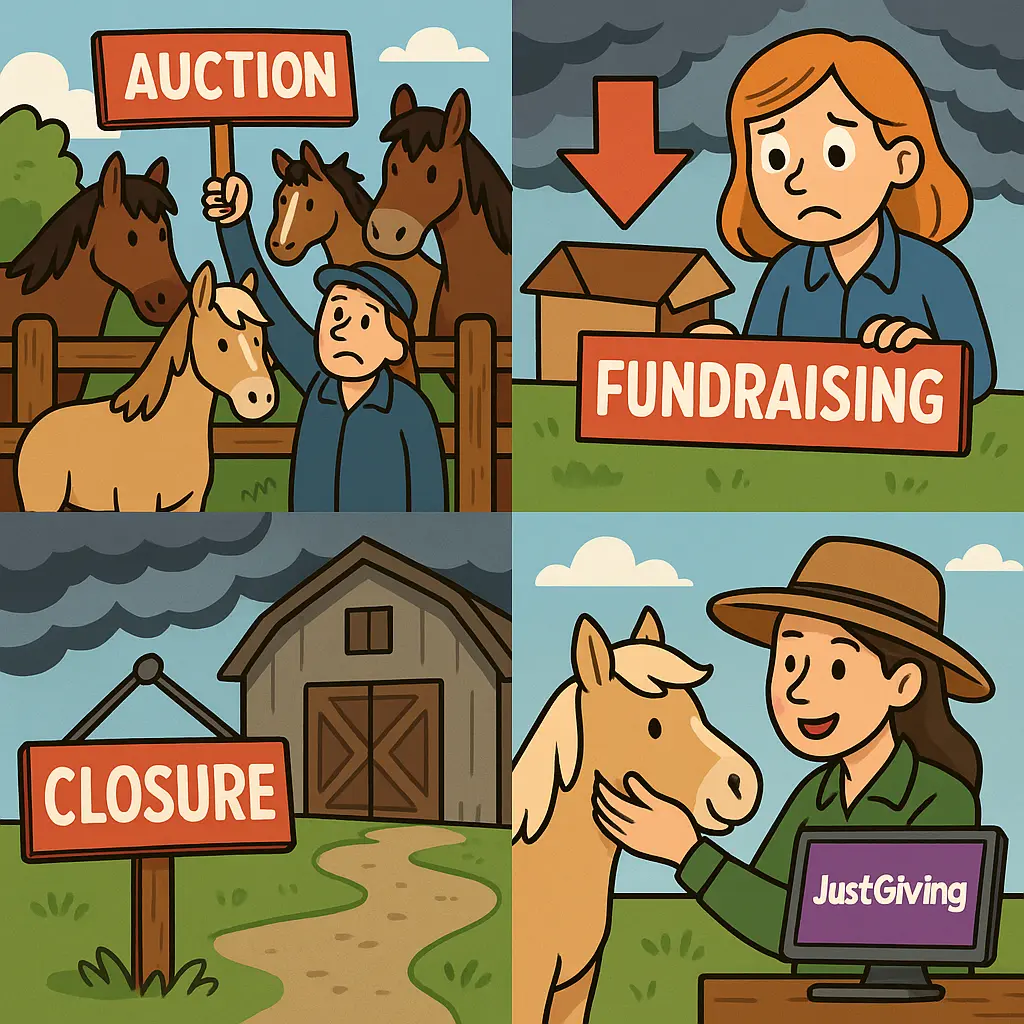
Essential kit for relocation and early rehabilitation
Core needs include weather-appropriate protection, first aid, feed management and daily care tools; having these items ready shortens recovery time and reduces stress. Focus on robust, easy-to-clean equipment that stands up to winter use.
Suggested checklist:
- Protection and warmth: Fit-for-purpose turnout rugs for wet, windy weather and stable rugs for overnight comfort where stabled. Trusted brands such as WeatherBeeta rugs and accessories are popular with UK owners for durability.
- Limb care and transport: Keep support boots and stable bandages ready for travel, box rest and minor strains.
- First aid: A stocked kit with saline, sterile dressings, cohesive bandage, wound hydrogel and thermometer; add fly repellents for spring/summer arrivals.
- Feeding and condition: High-fibre forage as the base; use balancers and targeted supplements for horse care when recommended by your vet or nutritionist.
- Daily care and bonding: Volunteer-friendly grooming kits for skin checks, desensitising and promoting healthy coats.
- Infrastructure: Safe tie points, spare headcollars/lead ropes, labelled buckets, and quarantine signage; consider temporary shelters and mud-control mats where ground is heavy.
At Just Horse Riders, we recommend prioritising fit and function over fashion for rescue work: waterproofing, secure fastenings, and easy laundering are non-negotiable in winter. If budgets are tight, ask sanctuaries what sizes are most needed to avoid well-meant but unusable donations.
Stay safe and visible when volunteering or transporting
Use suitable PPE and high-visibility gear when handling, walking or loading unfamiliar horses, especially near roads or in low light. Safety-first volunteering prevents accidents that divert already-stretched resources.
Essentials to consider:
- Visibility: Layer hi-vis for riders and handlers over warm, weatherproof clothing when working at dusk, dawn or on lanes.
- Head protection: Approved riding helmets are advisable when loading or handling unsettled horses; consider replacing older hats that have seen falls.
- Footwear and grip: Sturdy, supportive yard or riding boots with good tread help on slick concrete, ramps and wet fields.
Quick tip: Run a short safety briefing before any volunteer day — assign roles (handler, gate, kit runner), agree simple signals, and keep to one calm handler per horse wherever possible.
FAQs
What is EMW Sanctuary’s immediate challenge?
EMW has announced its Bromyard farm lease is ending, placing the sanctuary at risk of closure without new funding or premises. See community updates discussed on the Horse & Hound forum and check EMW’s official channels for the latest.
Is EMW a real UK charity I can trust?
Yes. EMW is registered with the Charity Commission. Verify details, trustees and recent reports on the official register: Charity Commission entry.
Where should I donate to support EMW?
Use the charity’s official JustGiving page: EQUINE MARKET WATCH (Sanctuaries UK) on JustGiving. Before donating, review the listed goals, ask for an itemised budget, and confirm how funds will secure premises and care.
Who do I contact for practical offers (foster, transport, premises)?
Email emw@equinemarketwatch.org.uk or call 01885 410570. Sector directories also list Elaine Tasker as a key contact at emw@emwuk.org.uk and 07870 860825.
How can I tell if the rescue plan is realistic?
Look for a clear site plan, weather-ready facilities, an itemised budget (rent, insurance, transport, feed, vet) and a firm timeline with contingencies. Regular public updates and trustee oversight are positive signs.
What kit is most useful if I foster a rescue horse short-term?
Weather-suitable turnout rugs and stable rugs, boots/bandages for limb support, a basic first-aid kit, forage storage, and volunteer-friendly grooming tools. Durable choices from ranges like WeatherBeeta are popular for winter reliability.
What standards should a temporary yard meet?
Secure fencing, safe shelter, constant water, biosecure isolation for new arrivals, and adequate forage. Align with BHS welfare standards and coordinate any moves directly with EMW to ensure continuity of care.