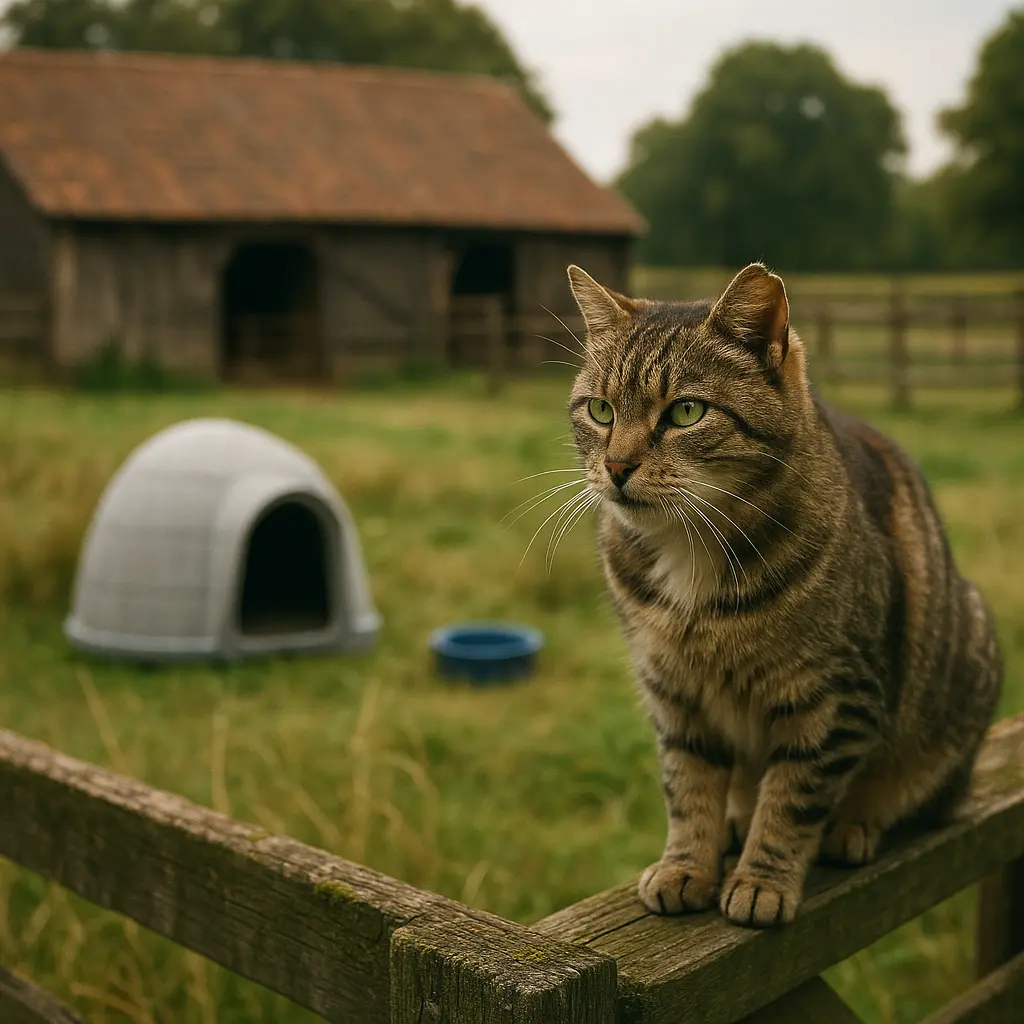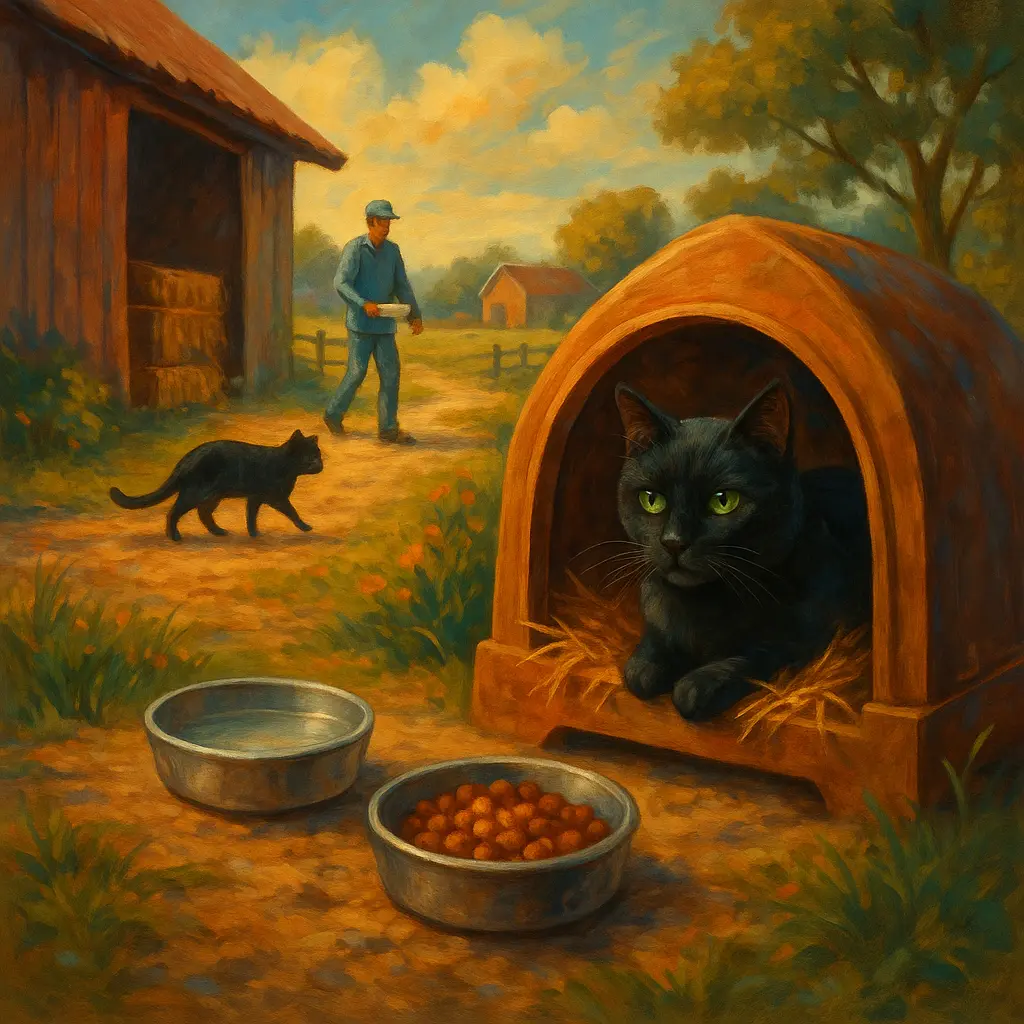
Rodents in the feed room, tack chewed, and wiring nibbled — many UK yards face the same headache. The right feral or semi-feral cats can be brilliant, low-maintenance pest control for farms, stables and livery yards — provided you set them up correctly from day one.
Key takeaway: Feral cats thrive on farms and stables, not in homes. Confine them securely for 3–6 weeks on arrival, feed twice daily with fresh water, provide weatherproof shelter, and ensure neutering, microchipping, parasite control and health checks before release.
Are feral cats right for farms and stables?
Yes — feral and semi-feral cats are best suited to rural environments like farms, stables and garden centres, where they can roam and deter pests.
The RSPCA’s rehoming teams are clear that feral cats are not house pets, and they do best in outdoor working roles.
“Feral cats would not be suited to live in a home environment and would be suited to living on a farm or allotment environment or similar and can be a very effective deterrent for pests.” — RSPCA Brighton & The Heart of Sussex
Fully feral cats often live in colonies around resource-rich sites such as stables and barns. Without other feral company, they can find human contact extremely stressful, so place them where their social structure and distance from people are respected. Charities like Woodside Animal Welfare Trust typically rehome outdoor cats to locations with at least half an acre to explore, offering room to settle into a safe territory.
For yards, the benefits are real: consistent scent-marking and presence discourage rodents, while cats’ hunting behaviour helps reduce infestations without relying solely on chemicals.
How long should you confine rehomed feral cats?
Confine newly rehomed feral or semi-feral cats securely for 3–6 weeks so they imprint on your yard as “home” and don’t bolt.
Use a secure barn, stable, tack room or shed with natural light and zero escape routes. Cats Protection guidance emphasises a minimum three-week acclimatisation period in-pen to establish a feeding routine and familiarise them with your yard’s sounds and smells:
“The cats will need to be kept in a confined area for about 3 weeks to allow them to become acclimatised to their new surroundings, feeding regime, smells and sounds. A barn, stable, tack room or shed with natural light is ideal provided it is entirely secure.” — Anne Campbell, Feral Cats Co‑ordinator, Cats Protection Bracknell & Wokingham (PDF)
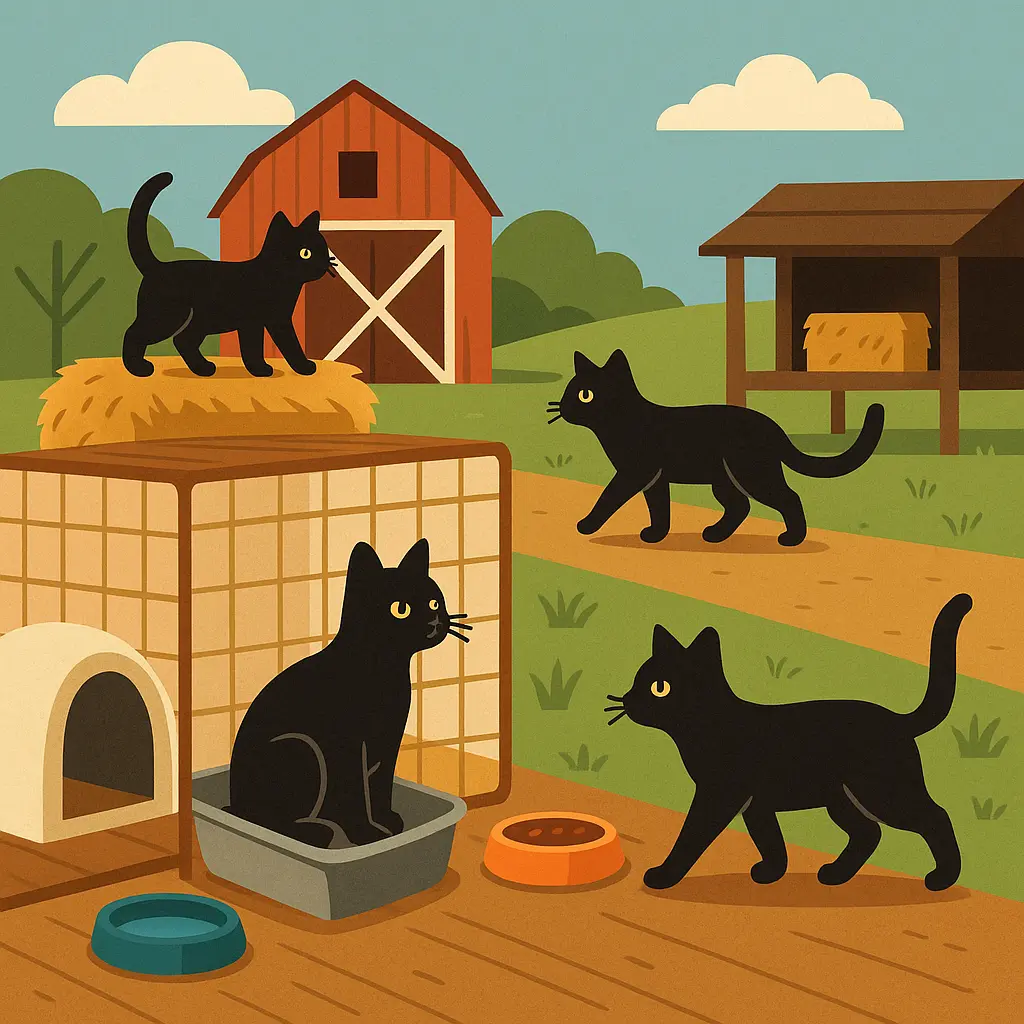
Set up the confinement area with hiding places (igloos/crates), cosy bedding, litter trays, and food and water placed consistently. Keep handling to an absolute minimum and stick to predictable feeding times. After 3–6 weeks, allow controlled outdoor access — ideally via a lockable cat flap — and maintain the same feeding routine so they reliably return.
Quick tip: First free-roam sessions are easiest at dusk when it’s quieter. Open the cat flap, stay out of sight, and continue to feed at the same time and place daily.
What daily care do farm cats need?
Provide two meals a day, fresh water, secure shelter, and regular health checks — beyond that, maintenance is minimal.
Rehoming charities recommend a simple, consistent routine that prioritises welfare without forcing interaction:
- Food and water: Feed twice daily, or offer smaller portions several times a day. Never rely on hunting to meet calorie needs; hunting is a supplement, not a diet. Keep water dishes heavy and stable so horses or wildlife can’t tip them.
- Shelter: Year-round, cats need warm, dry, draught-free dens, ideally raised off the ground. Insulated igloos or boxes inside a barn/stable provide protection from wind and wet.
- Health: Regular flea and worm treatments, frequent visual health checks, and vet care for injury or illness. Ensure neutering and microchipping before release; ear-tipping identifies fully feral cats as neutered.
- Hygiene: Place litter trays during confinement; keep feeding areas clean to avoid attracting other wildlife. Use cat-safe rodent bait stations if needed, and never use poisons that could harm cats or other animals.
- Records: Keep a simple log of feeding times, sightings, treatments given, and any behaviour changes — invaluable for early health intervention.
Pro tip: Winter yard rounds often happen in the dark. For safer early feeds, kit yourself with visible, yard‑proof gear such as sturdy yard and riding boots and hi‑vis layers for low‑light visibility around stables and access roads.
What welfare steps are non-negotiable (TNVR, neutering, ID)?
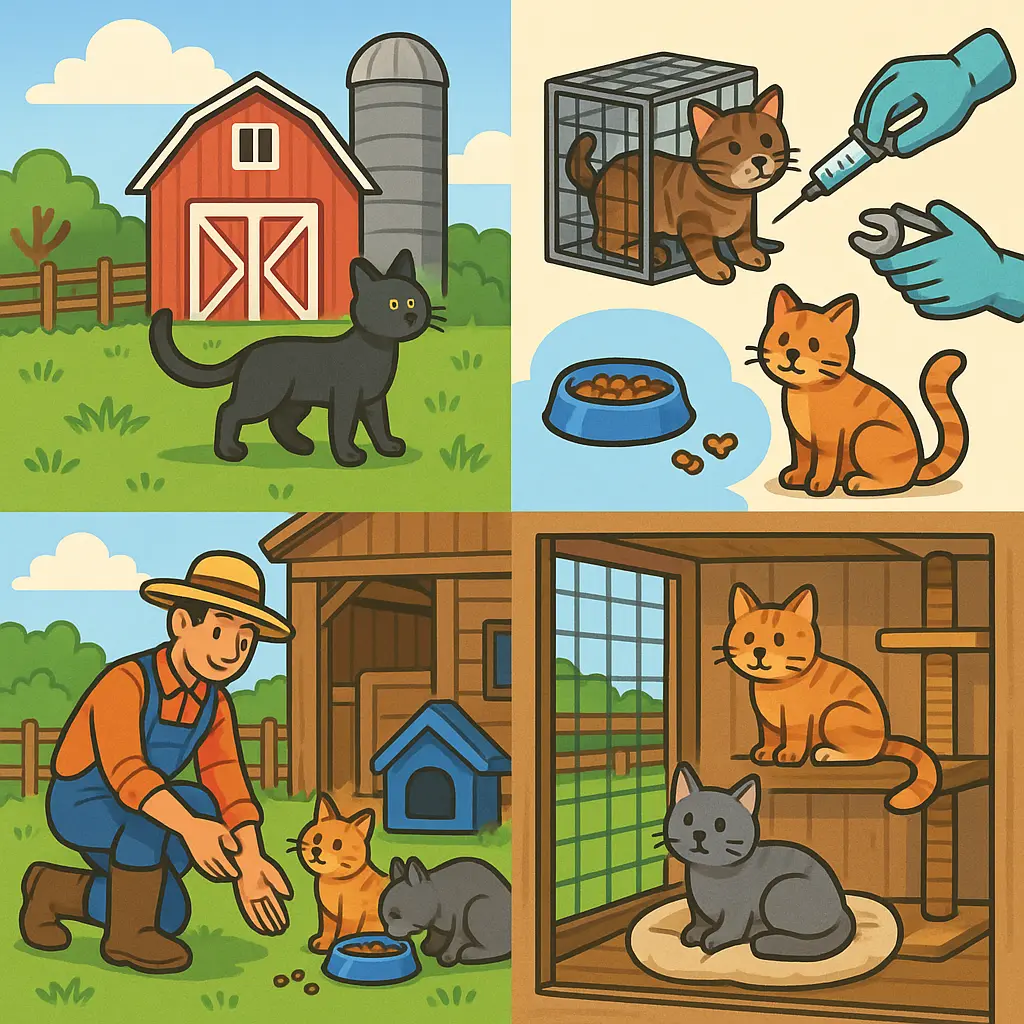
For truly feral cats, follow Trap–Neuter–Vaccinate–Release (TNVR) and avoid captivity beyond 48 hours; all outdoor cats should be neutered, microchipped, parasite-treated and health‑checked before rehoming.
UK veterinary guidance is clear that prolonged confinement is harmful to truly feral cats who are not being rehomed to a specific site:
“For truly feral cats, Cats Protection recommends TNVR: trap, neuter, vaccinate, release, without spending more than 48 hours (max) in captivity. Any longer can be seriously detrimental to the cat’s welfare.” — Vet Help Direct
When charities rehome “farm cats” (feral or semi‑feral) to specific sites like yards, they typically arrive neutered, microchipped, flea‑treated and wormed. Vaccination may be performed where handling allows. Ideally, pre‑rehoming health checks rule out FIV, FeLV and ringworm where feasible. Fully feral adults are often ear‑tipped for easy identification as neutered.
If you’re working with a local Cats Protection branch, they can advise on whether TNVR or rehoming is the right route for the individual cat and your yard’s set‑up.
How to set up the perfect shelter and release area
Use a secure, weatherproof barn or stable with natural light for confinement, and create insulated sleeping dens, safe feeding points, and a controlled exit such as a lockable cat flap for release.
Start with a completely escape‑proof room — a tack room, feed store or empty stable works well. Add:
- Hiding spots: Covered crates, purpose‑built feral cat dens, or igloos positioned in quiet corners.
- Levels and vantage points: A shelf or pallet stack gives vertical options to reduce stress.
- Bedding: Deep, dry material (straw is ideal) that you can refresh regularly; avoid blankets that hold damp.
- Food and water: Keep bowls well away from litter trays; refresh water daily.
- Litter: One tray per cat plus one spare during confinement; use low‑dust litter.
- Cat flap: Fit a lockable flap for phased access once the acclimatisation period is complete.
For the first nights of freedom, open the flap at dusk, keep the yard quiet, and stick to your established feeding schedule. Continue to feed in the same spot so cats anchor to your yard. If you’re rehoming a bonded pair, position two sleeping dens and two feeding stations to prevent resource guarding.
How to manage pairs, territory and other animals
Keep bonded pairs together and choose low cat‑density sites with at least half an acre to reduce conflict; keep children and dogs away, and manage introductions slowly.
Rehome bonded cats together in areas with space to settle, especially where neighbouring cat density is low. Provide multiple feeding and sleeping points so one cat can’t block access for the other. Monitor for territorial spats during the first weeks of free roaming and step up feeding consistency — predictability reduces conflict. Most farm cats coexist well around horses, but ensure horses can’t access cat food and that any rodent control measures on site are strictly cat‑safe.
For identification, fully feral cats are commonly ear‑tipped, and all cats should be microchipped. A basic microchip scanner is useful on yards to confirm identity if a cat is injured or goes missing after release.
Quick tip: Feral cats are generally not suitable for homes with children or dogs. Yards with steady, predictable routines and few pets work best for welfare and settling.
Your UK winter checklist for yard cats
Provide insulated, draught‑free shelter with dry bedding and unfrozen water through sub‑zero, wet UK winters; maintain twice‑daily feeding and check cats visually every day.
Winter weather hits hard on exposed yards. Keep cats comfortable and healthy with these cold‑season priorities:
- Shelter: Fully weatherproof dens inside a barn/stable, raised off the ground, with a windbreak and a small entrance to reduce heat loss.
- Bedding: Deep straw is best in damp climates and is easy to refresh; replace if wet.
- Water: Check and refresh at least twice daily; position bowls out of the wind. In freezing conditions, use larger, insulated containers and place off concrete floors.
- Feeding: Maintain your routine, slightly increasing rations during cold snaps to meet energy needs.
- Health: Step up visual checks; look for signs of weight loss, limping, or respiratory signs after storms.
While you winter‑proof the cats’ set‑up, make sure your horses are equally comfortable: now’s the time to audit winter turnout rugs for wet, windy days and stable rugs for dry, draughty nights on the yard.
At Just Horse Riders, we recommend planning your cat feeding and horse checks together — it creates a consistent yard rhythm that helps semi‑feral cats settle and keeps rug changes and feed times efficient in bad weather.
Practical kit that helps you and your yard cats
Insulated cat shelters, automatic feeders, parasite control, microchip ID and cat‑safe rodent stations make care reliable and humane on busy yards.
Consider adding:
- Insulated shelters/igloos: Weatherproof, raised dens placed in a quiet barn or stable bay.
- Automatic feeders and heavy water bowls: Support consistent routines when staff rotas vary.
- Flea and worm treatments: Keep a calendar so outdoor cats aren’t missed between farrier and vet days.
- Microchip scanner: Handy if you manage multiple yard cats or support strays on site.
- Cat‑safe rodent stations: Complement cats’ deterrent effect without poisoning risks.
For your own yard comfort and safety while doing early and late rounds, choose reliable kit: waterproof yard boots, bright hi‑vis layers for dark winter lanes, and tough yard wear from brands such as Shires. If your horses’ wardrobe needs an upgrade before the next cold snap, explore proven rug ranges from WeatherBeeta and refresh daily yard essentials with a well‑organised grooming kit that keeps feed and prep areas tidy.
Pro tip: Store horse feeds and supplements in sealed, rodent‑proof bins, keep the feed room swept, and feed cats in a separate, cat‑only area to reduce competition and contamination.
FAQs
Can feral cats be rehomed to a farm or stable?
Yes — feral and semi‑feral cats typically thrive in rural settings with space (at least half an acre), secure shelter, and a daily feeding routine. Rehome bonded pairs together to reduce stress and maintain their social bond, especially in low cat‑density areas.
How long should rehomed feral cats be kept in before release?
Confine them securely for 3–6 weeks so they acclimatise and imprint on your yard. A secure stable, tack room or shed with natural light is ideal during this period. After release, continue the same feeding routine to anchor them to your site.
What health preparation is needed before rehoming feral cats?
Neuter, microchip, and treat for fleas and worms as standard. Where handling allows, vaccinate and screen for FIV/FeLV and ringworm before placement. Fully feral adults are often ear‑tipped to show they are neutered.
Are feral cats suitable for homes with children or dogs?
No — fully feral cats find close human contact stressful and do best in quiet, rural environments without children or dogs. Stables, barns and livery yards are far more suitable than homes.
What daily care do farm cats need in the UK?
Two meals a day, fresh water, weatherproof shelter, and regular parasite control and health checks. Even excellent hunters must be fed; hunting should never be their primary food source.
Is TNVR better than rehoming for some feral cats?
For truly feral cats not suited to placement on a specific site, follow TNVR (trap, neuter, vaccinate, release) and avoid holding them for more than 48 hours, as longer captivity can harm welfare. Work with local Cats Protection branches for guidance.
How do I help bonded feral cats settle on my yard?
Rehome the pair together, confine them 3–6 weeks, feed at consistent times, provide two sleeping dens and two feeding stations, and allow gradual night-time access via a cat flap. Monitor early for territorial issues and maintain a predictable routine.
For expert welfare advice and practical support, consult RSPCA guidance, your local Cats Protection branch (e.g., Bracknell & Wokingham PDF), the veterinary team at Vet Help Direct, and rehoming criteria from sanctuaries like Woodside Animal Welfare Trust. At Just Horse Riders, our team is here to help you keep the whole yard comfortable — from your cats’ sleeping spot to your horse’s rug rack — so your set‑up works smoothly all year.