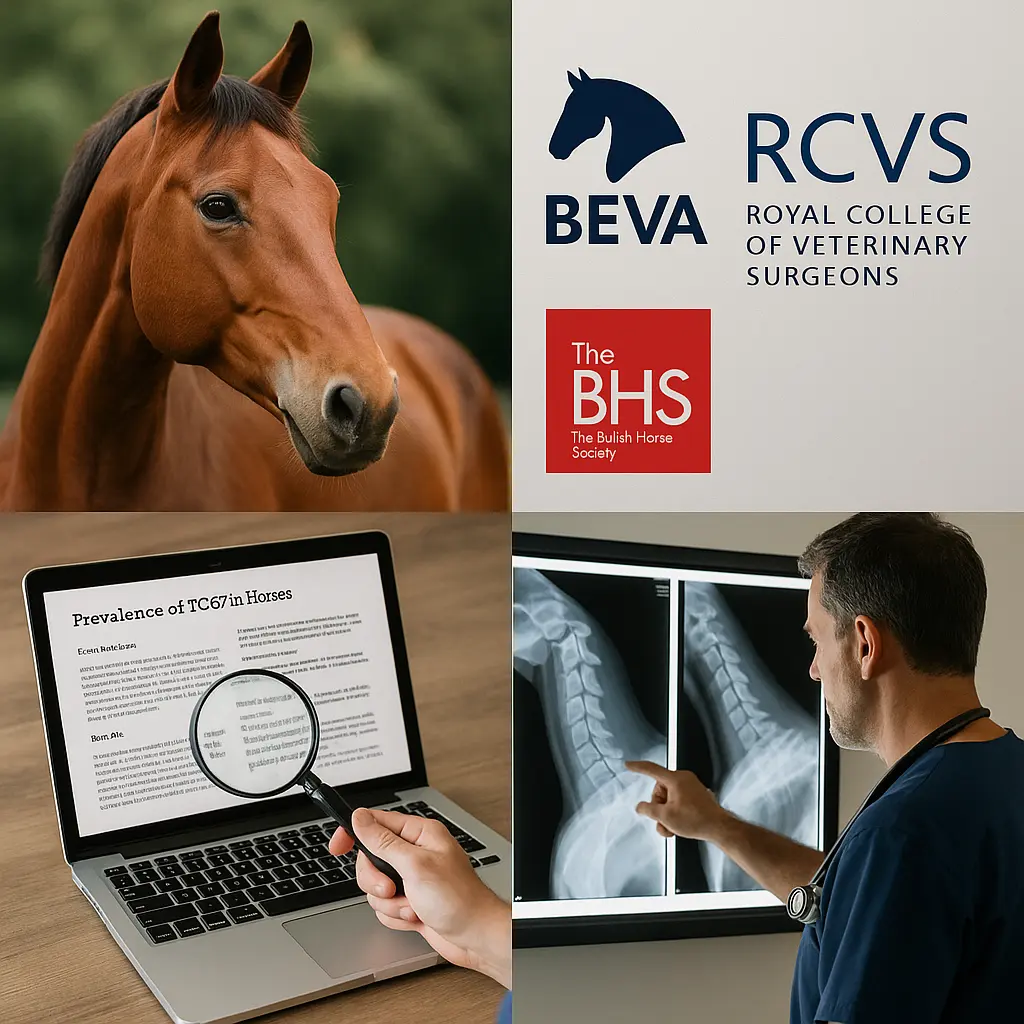
Neck pain is one of the most common reasons for reduced performance and resistance under saddle, yet it’s also one of the easiest to miss early. If you’re seeing stiffness, uneven contact or a horse that just doesn’t feel “through,” it’s time to look closely at the neck — including possible issues at C6–C7 often discussed as TC67.
Key takeaway: Consistent stiffness, reluctance to bend, forelimb rhythm changes, or contact issues are red flags for neck discomfort; get a veterinary assessment early and support recovery with smart management, tack fit, and progressive training.
What is TC67 in horses?
TC67 refers to congenital or acquired changes around the lower neck (the C6–C7 region) that can alter biomechanics, create pain, and in some horses contribute to neurological signs. It matters because the base of the neck is a key junction for posture, balance, and the nerves that influence the forelimbs, so changes here can present as everything from contact issues to stumbling.
Think of the C6–C7 region as the “steering column” and “wiring harness” of your horse’s front end. Altered bone shape, facet joint pain, soft-tissue strain, or nerve irritation can each show up as inconsistent bend, reluctance to stretch, or uneven push to the contact. Horses with lower-neck discomfort often look tight through the base of the neck, fixed at the poll, or “stuck” in transitions. Because symptoms overlap with back or dental problems, a methodical veterinary work-up is essential before you change training or tack.
Diagnosis typically relies on a thorough clinical exam, dynamic assessment, and imaging (radiographs or ultrasound of the cervical spine). Your vet may also recommend physiotherapy and a careful return-to-work plan once pain is controlled.
Early signs of neck pain you can spot
Neck pain usually shows as consistent, repeatable changes in bend, contact, or forelimb rhythm — not just a single “off” day. Spotting these patterns early is the best chance of preventing a minor issue from becoming a bigger problem.
Watch for:
- Reluctance to flex or bend to one side; falling out through the shoulder on circles
- Fixed poll or a “braced” feel to the neck, especially in upward or downward transitions
- Uneven contact or head tilt; difficulty maintaining straightness down the long side
- Disunited canter, frequent cross-cantering, or swapping leads in front
- Forelimb toe-dragging, tripping, or an unlevel feel that moves across reins
- Resistance to take an inside lead or land on a chosen lead when jumping
- Muscle asymmetry at the base of the neck or behind the shoulder, and sensitivity to grooming or pressure in this area
- Poor attitude to tacking up, especially when bridling, or tail swishing when you take a contact
Quick tip: Patterns matter. Keep a simple ride diary for two weeks noting which rein, gait, and exercise trigger resistance — those clues help your vet target the exam and imaging.
When to call the vet and what to expect
Call your vet promptly if signs persist beyond a couple of weeks, worsen with work, or affect safety; acute stumbling, marked asymmetry, or any neurological concern warrants immediate assessment. A structured work-up rules in neck pain and rules out other common culprits like dental pain, saddle fit, or hindlimb issues transferring load to the neck.
Your vet’s assessment will usually include:
- History and palpation of the neck, poll, and withers; range-of-motion tests
- Gait evaluation in-hand and under saddle; circles, rein-back, transitions
- Targeted imaging of the cervical spine (radiographs), and sometimes ultrasound of the facet joints and soft tissues
- Consideration of ridden factors such as tack fit, bit choice, and rider asymmetry
Management plans often blend pain control, physiotherapy, and a progressive exercise programme that focuses on straightness, core strength, and postural stability. Expect to adjust training goals in the short term to prioritise comfortable, correct movement.

Day-to-day management that supports a sore neck
The best daily programme for a sore neck is simple, consistent work that encourages straightness and a swinging back without forcing a frame. Small, well-executed basics deliver bigger gains than high-intensity schooling while the neck settles.
Build your routine around:
- Warm-up: 10–15 minutes of active, marching walk on a long rein, then rising trot in light seat, allowing the neck to lengthen and oscillate
- Straight lines before circles: ride corridors down the long side, use shallow loops, then introduce larger circles before smaller ones
- Postural mobilisations: controlled carrot stretches and gentle lateral flexions (always within pain-free range and as advised by your vet/physio)
- In-hand and hacking: purposeful hill walking to build topline and shoulder stability, ridden or in-hand
- Poles: start with single ground poles in straight lines, then add spaced lines to rhythm without overbending the neck
Keep tack light and surfaces consistent. Avoid restrictive gadgets and short, tight circles while you build strength. Turnout supports mental health and keeps muscles warm and mobile; in cold snaps, appropriate rugging helps reduce stiffness. For added comfort under saddle, supportive lower-limb protection can help while you improve straightness — see our horse boots and bandages if your horse benefits from extra support.
At Just Horse Riders, we recommend pairing a simple, progressive programme with good routine care: regular massage or grooming to improve circulation, a balanced diet, and targeted supplements where appropriate. Explore our curated grooming and supplements ranges to round out your management plan.
Tack and fit choices that reduce neck strain
Correctly fitted tack reduces compensatory tension through the neck by allowing the back to lift and the shoulders to move. A comfortable saddle and bridle setup is one of the quickest wins for neck comfort.
Focus on:
- Saddle fit: adequate wither clearance, even panel contact, and free shoulder movement so the base of the neck can lengthen
- Bridle comfort: a well-padded, anatomically shaped headpiece to reduce poll and ear-base pressure, and a noseband that allows jaw mobility
- Bit choice: an appropriately sized and shaped mouthpiece that encourages quiet salivation and acceptance, avoiding over-thick or unstable bits that create resistance
Rider comfort matters too. Secure, shock-absorbing footwear and well-fitting breeches help you sit softly and evenly, reducing inadvertent neck tension. Browse supportive horse riding boots and our popular women’s jodhpurs and breeches to keep your position balanced on long hacks and schooling sessions. If you school youngsters or in variable weather, consider tried-and-tested brands known for comfort and durability like LeMieux, Shires, and WeatherBeeta.
Training habits that protect the neck
Neck-friendly schooling is elastic to the hand, progressive in difficulty, and generous with straight lines and active breaks. Build strength in layers rather than compressing the frame to manufacture an outline.
Try these principles:
- Ride for rhythm first: establish a clear, swinging tempo before adding flexion or lateral work
- Alternate bend and straightness: one circle, one long side; one leg-yield, one straight line
- Keep circles large while rebuilding; only decrease diameter when balance and push are stable
- Use poles to teach posture: raised poles later on encourage thoracic sling activation without overbending the neck
- Keep sessions short and focused, with frequent walk breaks on a soft, long rein
Quick tip: If the contact feels heavy or fixed, lengthen the neck without dropping the wither — think “reach forward” rather than “down only.” Reward any moment of honest stretch with an immediate, elastic give.

Seasonal care: winter and summer tips
Cold, wet weather can increase stiffness around the neck and shoulders, while midges and flies in summer make horses brace and swish, tightening the topline. A few seasonal tweaks keep your horse more comfortable year‑round.
Winter:
- Warm up longer and finish with a gradual cool-down to prevent post-ride tightness
- Use appropriate rugging to maintain consistent warmth between stable and turnout; our turnout rugs and stable rugs come in weights to suit changeable UK weather
- Choose surfaces with good footing to reduce slips and neck bracing
Summer:
- Control insects to reduce tension and skin irritation; a well-fitted fly rug helps sensitive horses relax through the back and neck
- Hack early or late to avoid heat stress, and build in shady walk breaks
- Ensure steady hydration and electrolytes as advised by your vet or nutritionist; many riders find targeted support in our supplements range
Year-round safety matters too: if you’re hacking to build straightness and strength, high‑visibility gear keeps you seen in all conditions. Explore our rider hi‑vis collection and pair it with a well-fitted riding helmet for every ride.
Practical kit checklist for comfort and rehab
The right kit won’t “fix” neck pain, but it makes consistent, comfortable work far easier while you follow your vet’s plan. Prioritise fit, function, and ease of daily use.
- Rugs for stable and field: mix-and-match layers to keep muscles warm without overheating — see stable rugs and weatherproof turnout rugs
- Fly protection: minimise bracing and skin irritation with breathable fly rugs during midge season
- Supportive legwear: choose breathable boots or bandages that suit your schooling and hacking routine
- Daily care: a simple kit of massage brushes and mitts from our grooming collection to improve circulation and help you monitor sensitivity
- Nutritional support: discuss joint or muscle comfort options with your vet and browse proven lines like NAF in our supplements selection
- Rider comfort: stable, grippy riding boots and supportive breeches keep your aids light and consistent
- Great-value essentials: explore quality picks in our Gallop Equestrian and Secret Tack Room clearance collections
Pro tip: Refresh worn elastic and strapwork on boots and rugs; uneven pressure points often start with tired fastenings rather than the product itself.
Bringing it all together
The fastest route to a happier neck is early veterinary assessment, tack that truly fits, and a steady, progressive training routine built on straightness and rhythm. Pair that with thoughtful seasonal care and you’ll stack the odds in favour of comfort and long‑term soundness.
At Just Horse Riders, we help you put practical plans into action with rider-tested gear and advice. If you need help choosing the right rug weight, everyday boots, or schooling essentials, our team is here to help you match products to your horse’s workload and the UK weather.
FAQs
Is TC67 the same as kissing spines?
No. TC67 discussions focus on changes in the lower neck (C6–C7), whereas kissing spines involve close or impinging dorsal spinous processes in the back. Both can cause performance issues, but they affect different regions and require different assessments and management.
How do I know if neck pain is the real problem and not just bad behaviour?
Behaviour linked to pain is consistent and repeatable in the same movements — for example, always resisting bend to the left or stumbling on the same rein. Keep a short training log for two weeks; if a pattern emerges, ask your vet to assess the neck alongside the back, mouth, and saddle fit.
Should I lunge a horse with suspected neck pain?
Only with veterinary guidance. If you lunge, keep sessions short, on large circles, and prioritise rhythm and relaxation over outline. Straight-line long-reining or in-hand walking may be better early on to avoid overbending the neck.
Which rugs help horses that get stiff in the neck?
Consistent warmth helps many horses stay looser through the shoulders and base of the neck. Choose weight-appropriate turnout rugs for the field and stable rugs indoors; adjust layers to the day’s temperature and your horse’s coat and condition.
Can supplements help a horse with neck discomfort?
Supplements can support joint, muscle, and overall comfort alongside veterinary care and good training. Discuss options with your vet and explore trusted ranges such as NAF in our supplements collection.
Does rider position really affect the horse’s neck?
Yes. A stable, balanced rider who rides from leg to hand with an elastic contact helps the horse lengthen the neck and lift the back. Well-fitting breeches and supportive riding boots make it easier to sit evenly and apply clear, light aids.
What small change makes the biggest difference today?
Give your horse a longer, more purposeful warm-up and prioritise straightness before asking for bend or collection. That single shift often reduces bracing through the base of the neck and makes every subsequent exercise more effective.