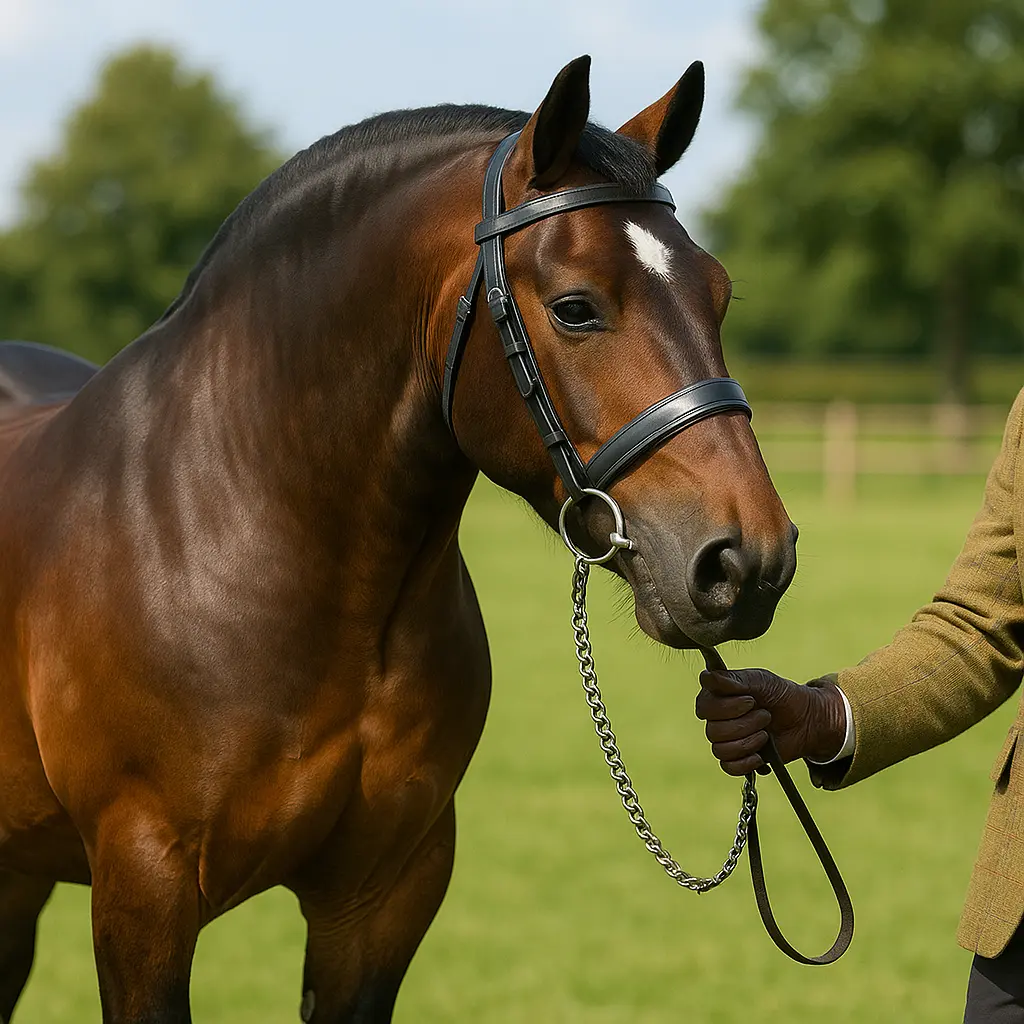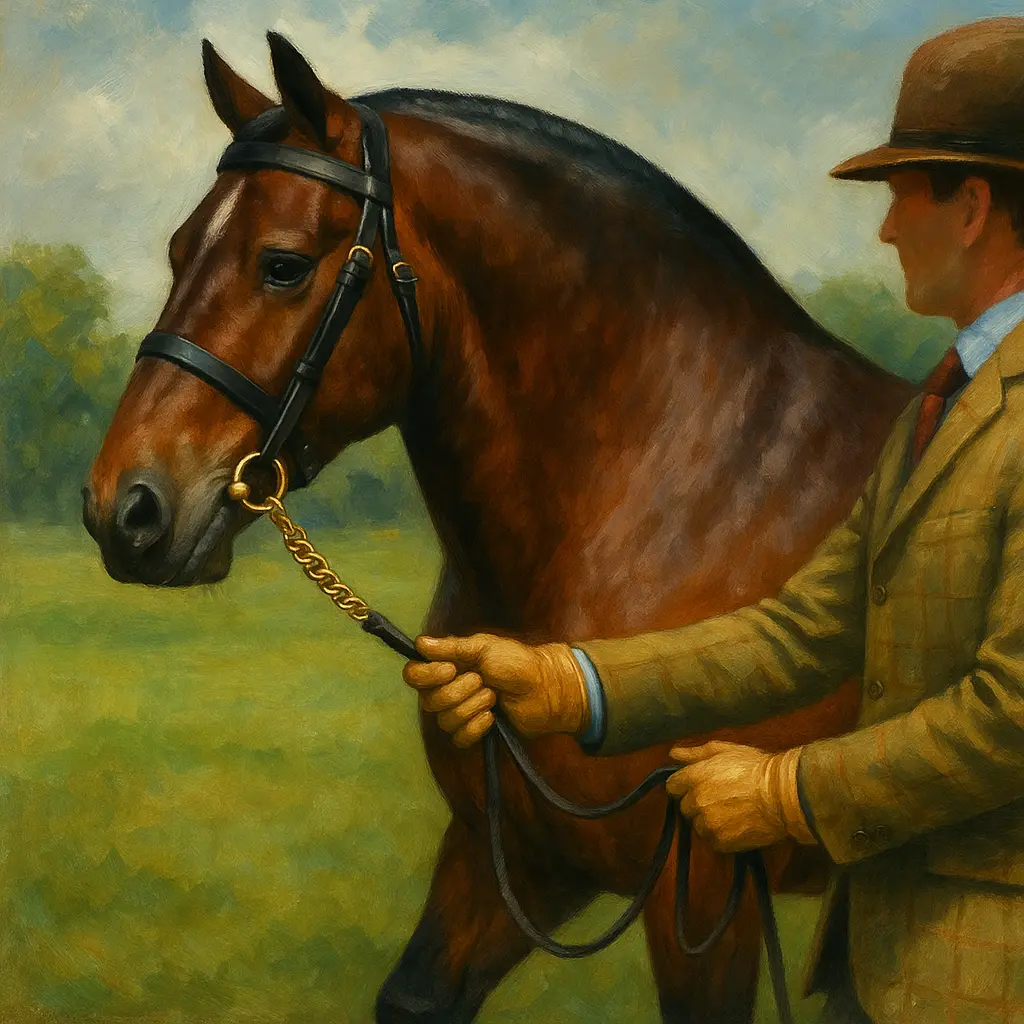
You’ve got a smart cob and a summer show pencilled in — now what? With the right turnout, tack and ringcraft, cobs shine in in-hand classes, whether they’re show cobs, traditionals or native types.
Key takeaway: For UK in-hand cob classes, present a clean, correctly turned-out cob; use an in-hand bridle with a bit for horses over 3 (stallions/colts bitted from 2+); keep movement straight and rhythmic; and follow UK safety rules for handlers and stallions.
What counts as a cob — and which class should you enter?
Cobs are short, stocky and powerful, typically under 15.1hh, and often split into Lightweight, Heavyweight and Maxi sections in UK show schedules. Traditional Gypsy cobs are frequently divided by height (under/over 148cm) at UK county and agricultural shows.
In practice, “cob” covers several types in the UK ring:
- Show cob: hogged mane/forelock, trimmed jaw and ears, and a pulled tail; split into Lightweight/Heavyweight/Maxi. Many qualifiers adopt rules aligned with CHAPS UK/HOYS.
- Traditional Gypsy cob: shown with full mane, tail and feathers; usually split by height (under/over 148cm).
- Native/Mountain & Moorland types (e.g., Welsh Section D, Fell, Dales, New Forest, Connemara): shown naturally, not plaited or hogged, in dedicated M&M/native classes.
Match your horse to the schedule description. A hogged, show-type cob belongs in cob classes; a native type should enter native/M&M sections; a traditional with full hair belongs in traditional cob classes. Ridden animals are usually 4 years or over unless the schedule states otherwise, while in-hand youngstock classes are commonly for 1–3-year-olds (check the schedule).
Useful overviews: Country & Stable: UK show classes explained; CHAPS UK Handbook for coloured/showing rules often mirrored at local level.
The right tack and equipment for in-hand cobs
For in-hand classes, youngstock under 3 are shown in a leather headcollar or in-hand bridle; horses and ponies over 3 must be in an in-hand bridle with a bit, and stallions/colts aged two and over must always be bitted. A show cane/whip is permitted in some sections and must not exceed 75cm.
These are widely accepted UK norms across affiliated and unaffiliated shows:
- Under 3 years: plain leather headcollar or in-hand bridle (Horse & Hound guidance).
- 3 years and over: in-hand bridle with a suitable, plain bit (commonly a snaffle).
- Stallions/colts, 2 years and over: always bitted in in-hand classes and must wear a stallion ID disc in the ring (see Cardigan County Show rules).
- Show cane/whip: permitted in many types (riding pony, hack, show hunter, coloured, part-bred), maximum length 75cm (Country & Stable).
- No spurs are needed or permitted in CHAPS UK in-hand classes (CHAPS UK).
Safety for handlers: children under 14 may not show colts (excluding foals) or entire males in-hand; hard hats are mandatory for handlers aged 14 and under and optional for adults without penalty (Cardigan County Show). If you prefer extra protection, choose a well-fitted hat that meets current UK standards from our riding helmets collection.
Turnout: how should a show cob look?
Show cobs are presented hogged and fully trimmed: manes and forelocks are hogged, the jawline is trimmed, ears are neat, and the tail is pulled and cut to around hock length when ridden. Native types such as Welsh Section D and similar should not be plaited or hogged.
For a show cob, the goal is a clean, powerful outline that shows off the neck and shoulder. MyRDA’s expert turnout guidance is clear:
“Cobs should have hogged manes and forelocks. Their jaw line should be trimmed and they should have neat ears. Hogged cobs should have a pulled tail and have it cut short so when ridden the tail comes to the point of the hock.” — MyRDA Turnout Guide
By contrast, many native or traditional types go natural. Experienced Welsh Section D competitor Karen Badrick notes that Welsh D and similar native types (Connemara, New Forest, Fell, Dales) are not plaited, whereas hunters and show ponies are. Watch her concise advice here: Karen Badrick Equestrian.
Whatever your type, pristine presentation matters. Wash and groom thoroughly, brush up the coat for healthy shine, and finish with oiled or polished hooves where appropriate. At Just Horse Riders we recommend assembling a ring-ready kit from our grooming collection — include clippers/trimmers for cob hogging and jawline tidying, plus a gentle shampoo and a soft brush for last-minute dust removal. For hooves, our NAF range includes trusted options to polish the final look.
Quick tip: practise hogging or trimming several weeks before your first show of the season so you can refine the finish ahead of show day. In damp UK springs, coat management benefits from early, light clips and a good grooming routine.
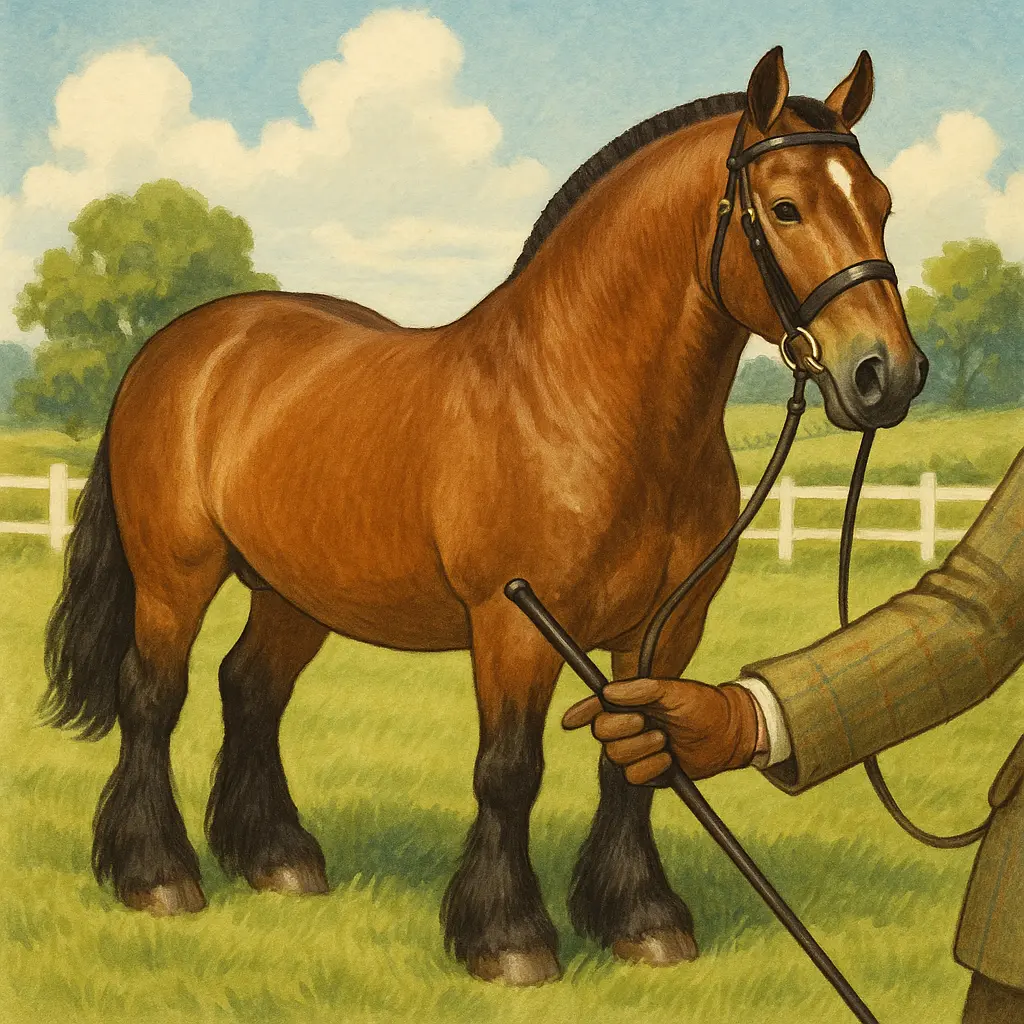
What judges want to see in the ring
Judges reward straight, rhythmic movement at a sensible pace, plus a balanced stand-up that shows all four legs. Running too fast spoils rhythm and hinders assessment.
Top in-hand judge Julia Spacey-Woods highlights the most common mistake:
“Just because you are showing a horse in hand, don’t forget about rhythm and pace. A common mistake is running too fast to try and make a horse look like a flashy mover.” — Horse & Hound
To help judges assess your cob’s conformation and movement:
- Stand-up: Choose a level patch and position your cob square so all four legs are visible. Encourage ears forward — a discreet rustling crisp packet in your pocket can work wonders.
- Pattern: From the line, walk away from the judge, turn slightly left, circle half right back to your original line, then trot straight past the judge. Only ask for more trot once you’re straight.
- Movement: Keep the walk purposeful; in trot, go forward enough to show swing and reach without rushing. Maintain straightness and avoid swinging quarters.
Pro tip: Train along a fence at home to discourage drifting quarters and to instil a straight, forward line. A long schooling whip can encourage engagement without ever needing to touch the horse; in the ring, only carry a permitted show cane/whip of 75cm or less and never use it to strike the horse.
What should the handler wear?
Handlers of cobs are best turned out in traditional tweed or a smart waistcoat/suit with gloves, tidy hair and minimal jewellery. Handlers aged 14 and under must wear a hard hat; adults can choose to wear a hat without being marked down.
Dress to complement your horse and the class:
- Jacket/waistcoat: Tweed is ideal for cobs and native types; a neat waistcoat works on warmer days. For a polished look, browse our women’s competition clothing options.
- Trousers/breeches: Choose a contrasting colour to your cob’s legs so judges can see the movement clearly. For junior handlers, see our children’s jodhpurs and breeches.
- Footwear: Wear practical, supportive footwear with good grip for trotting up; our horse riding boots offer secure footing and a smart finish.
- Gloves and cane: Brown or black gloves tidily complete the look. A short show cane/whip (max 75cm) is permitted in many classes; carry it discreetly.
- Headwear: Under-14s must wear a hard hat to current standards; adults may also choose one. Explore our certified riding helmets for a safe, professional appearance.
Quick tip: Lay out your ring outfit the night before and test-trot in your chosen footwear to check grip on grass — UK summer shows can be dew-laden or damp.
Preparation at home and on show day
Build ringcraft through short, regular sessions at home, then arrive early on show day to settle, shine and focus. Practise the exact pattern you’ll ride in the ring and polish your stand-up until it’s automatic.
At home:
- Conditioning and manners: Daily leading, halts and transitions; practise straight, forward walk and trot next to a fence; reward the soft, alert head carriage judges like.
- Stand-up: Choose a level spot, refine the square halt with all limbs visible, and teach a small step forward/back on cue for quick ring adjustments.
- Desensitisation: Rustling bags, flapping jackets, other horses moving — simulate distractions so your cob stays focused.
- Turnout trials: Hogging/trimming several weeks out, then refine. Practise final wash and hoof polish in the week before the show to streamline your routine.
On show day:
- Arrive early: Walk the warm-up and ring entry; note where you’ll turn and trot.
- Final shine: Quick brush, stain check, and hoof oil. Keep a microfibre cloth handy for last-minute dust.
- Warm-up smartly: Two or three quality trots in-hand, then let your cob stand and observe the ring so he goes in settled, not overcooked.
- Weather plan: UK shows can swing from drizzle to 24°C sun. Pack a light waterproof for you and consider a wicking cooler or sheet if your cob sweats in warm-ups. For show-day turnout management between classes, a breathable option from our turnout rugs range can help keep your cob comfortable on the lorry or by the ring.
Pro tip: If your cob is excitable at his first shows, speak to your vet or coach about training strategies. Some owners find a calmer or digestive support beneficial; consult brand guidance and your vet before trying anything new during the season and browse options in reputable ranges such as our NAF collection.
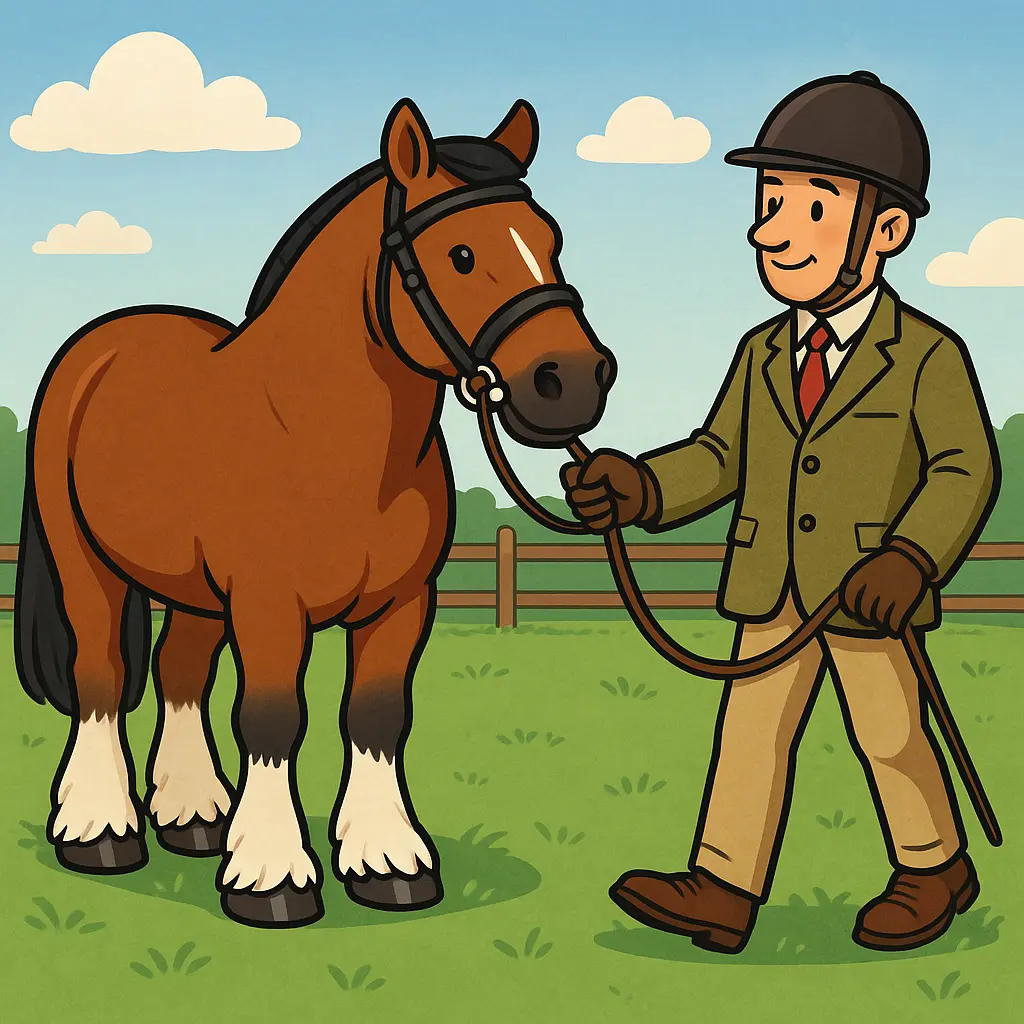
UK rules and safety essentials you must follow
In the UK, stallions and colts aged two and over must be bitted in-hand and display a stallion ID disc; children under 14 must not show colts/entire males in-hand (except foals), and handlers aged 14 or under must wear a hard hat. Ridden animals are typically 4 years or older unless a schedule states otherwise.
Core points seen across UK schedules and bodies such as CHAPS UK and county shows include:
- Bits and bridles: Over 3s in a bitted in-hand bridle; stallions/colts 2+ must be bitted at all times in the ring (Horse & Hound).
- Stallion ID: All stallions must wear a visible ID disc in the ring without exception (Cardigan County Show rules typical of UK shows).
- Handler age limits: Under-14s cannot show colts/entire males (excl. foals) in-hand; hard hats are mandatory for handlers aged 14 and under.
- Whips/canes: 75cm maximum in relevant classes; never used to strike (Country & Stable).
- Spurs: Not permitted in CHAPS UK in-hand classes (CHAPS UK Handbook).
- Heights and sections: Cobs are typically under 15.1hh; Traditional Gypsy cobs often split under/over 148cm. Some qualifiers require a JMB height certificate — check HOYS/CHAPS rules for specifics if you’re aiming high.
Always read your specific schedule before you travel. Affiliated qualifiers (e.g., CHAPS UK/HOYS) can have stricter tack and height requirements than local unaffiliated shows.
Mistakes to avoid and quick fixes
The most common errors are rushing, messy presentation, and incorrect tack. Fix them at home and you’ll save marks in the ring.
- Over-running in trot: If your cob breaks rhythm, you’re going too fast. Practise at a controllable working trot so the stride opens without scrambling.
- Untidy turnout: Stray whiskers, ragged hogging, dusty coats and dull hooves lose polish. Clip and trim in advance, then finish on show day with a soft brush and hoof oil.
- Wrong tack: Youngstock under 3 in a headcollar or in-hand bridle; over 3 in a bitted bridle; stallions/colts 2+ always bitted. Keep bits plain and suitable.
- Poor stand-up: Use a level area; train square halts and micro-adjustments so you can show all four legs cleanly within seconds.
- Not reading the schedule: Check whip rules, handler age limits, and any breed-specific turnout notes. Pack your stallion ID disc well before loading.
Quick tip: Video your practice. A 20-second clip of your stand-up or trot-up makes it easy to spot swinging quarters or you accidentally pulling your cob off-line.
Your in-hand cob starter kit
Start with the essentials and build from there as you aim for county level or qualifiers.
- Leather headcollar (youngstock) or in-hand bridle and plain bit (over 3; stallions/colts 2+ always bitted).
- Show cane/whip (max 75cm), brown/black gloves, number clip, and stallion ID disc if relevant.
- Turnout tools: Clippers/trimmers, mane hogging combs, thinning tools, sponge, shampoos, coat gloss, hoof oil. Stock up from our curated grooming range and finishing products within the NAF collection.
- Handler outfit: Tweed/waistcoat/smart trousers or breeches; choose supportive footwear from our riding boots collection and pair with options from women’s competition clothing or children’s jodhpurs and breeches for juniors.
- Weather management: Keep a light layer or breathable sheet to hand for holding areas; see our seasonal picks in turnout rugs for practical between-class comfort on the lorry.
At Just Horse Riders, we hand-pick kit that stands up to British weather and busy show days, backed by thousands of verified UK customer reviews for peace of mind.
FAQs
What height is a cob and how do I choose Lightweight, Heavyweight or Maxi?
Cobs are generally under 15.1hh in UK showing. Lightweight vs Heavyweight is based on bone and build rather than exact weight; Maxi cobs are powerful types exceeding standard cob height but still cob-like. Your schedule’s definitions and judge guidance will direct the split on the day.
Do I plait my cob’s mane for in-hand?
Show cobs are hogged (mane and forelock off) with a pulled, hock-length tail. Native types like Welsh Section D, Connemara, New Forest, Fell and Dales should not be plaited or hogged; traditionals keep full mane, tail and feathers.
What bit should I use for an in-hand bridle?
Use a well-fitted in-hand bridle with a plain, suitable bit — a simple snaffle is standard for over-3s; stallions/colts aged two and over must be bitted. Keep tack clean, plain and correct for your section.
Are children allowed to show stallions in-hand?
No. In the UK, children under 14 may not show colts (excluding foals) or entire males in in-hand classes. Handlers aged 14 or under must also wear a hard hat.
Are spurs or long whips allowed for in-hand cobs?
No spurs are permitted in CHAPS UK in-hand classes, and a show cane/whip must not exceed 75cm where allowed. Always check your schedule’s tack rules before you travel.
What movement pattern will the judge ask for?
A common pattern is: walk away from the judge, turn slightly left, make a half circle right back to your original line, then trot straight past the judge. Stand your cob square on level ground for the conformation inspection.
What age can my cob be ridden in the show ring?
Most UK shows specify ridden animals must be 4 years and over unless the schedule states otherwise; in-hand youngstock classes usually cover 1–3-year-olds.