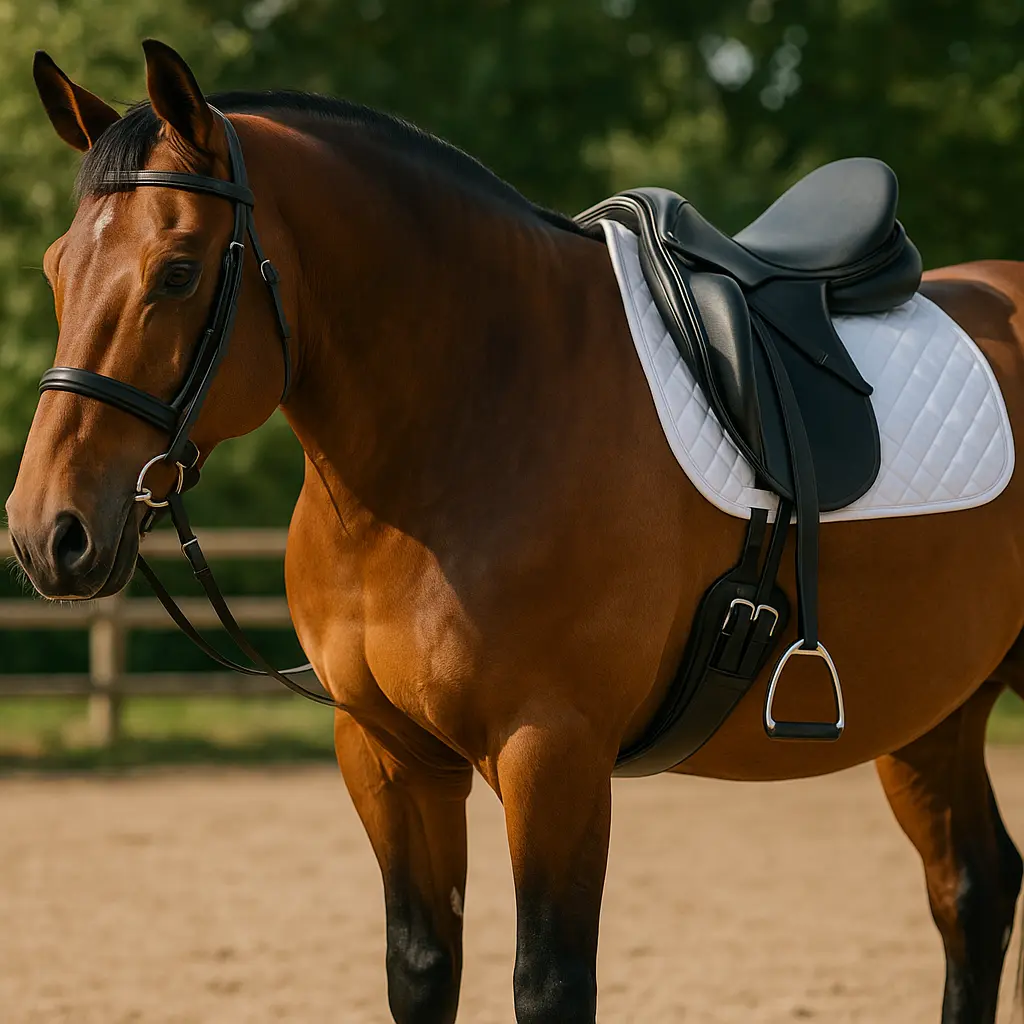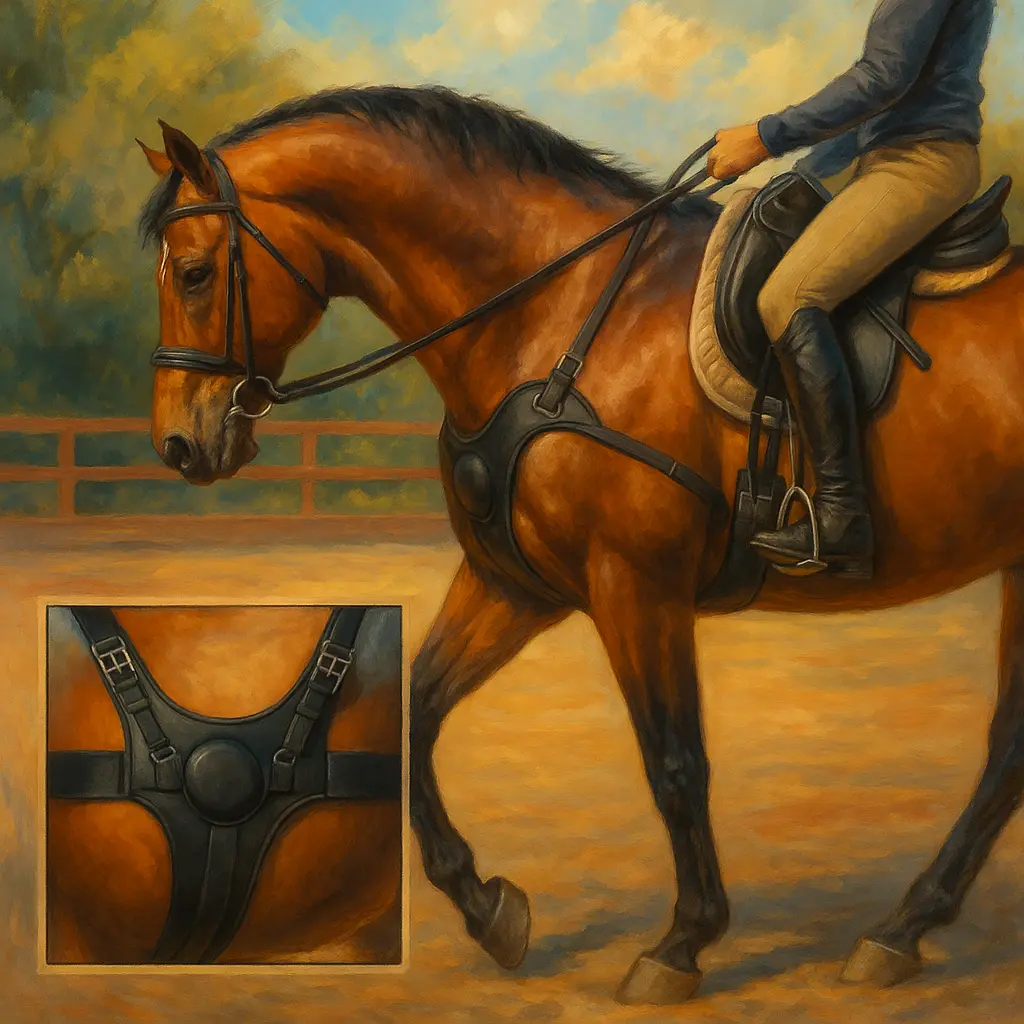
Your saddle slipping forwards on a round, big-moving horse is frustrating, uncomfortable for your horse, and costly if you keep swapping tack. The WOW H-girth and FreeSpace girth were built to solve exactly that — and when they’re fitted correctly, they do.
Key takeaway: On wide, flat-backed horses with a forward girth groove, WOW’s H-girth and FreeSpace girth improve lateral stability and stop saddles creeping onto the shoulder, with many riders reporting immediate relaxation and better gaits within a week.
What are the WOW H-girth and FreeSpace girth?
The WOW H-girth and FreeSpace girth are anatomically designed girths that stabilise the saddle on round-barrelled, big-moving horses and reduce pressure near the scapula. They distribute load more evenly and resist the classic forward slide you see on horses with a forward girth groove.
The H-girth uses a front and back strap layout to anchor the saddle, while the FreeSpace girth is shaped to give the elbow and shoulder extra room — keeping the sensitive area behind the elbow clear. A certified WOW fitter described the FreeSpace as providing “excellent comfort and lateral stability, even for rounder horses lacking wither”, noting that soreness at the girth groove resolved “in about a week” on her OTTBs — and that medium/extended work felt freer almost straight away (WOW Fitter case report).
Which horses benefit most?
Wide-bodied, flat-backed horses with a forward girth groove and big movement benefit most, especially if the saddle slides forward onto the shoulder or tight tree points create pressure.
Instructors and experienced users consistently point to round warmbloods, cobs, native crosses, and big-moving dressage types with minimal wither definition as prime candidates. One instructor who recommends the H-girth across multiple horses and pupils explains:
“It is excellent on horses that are wide through the body and flat in the back, horses that have so much movement that the saddle moves the slightest amount into the scapular area which creates a little too much pressure from the tree points and it is also excellent for horses that have an issue with the process of the girth being tightened. In my opinion it is well worth the expense.” — Chronicle of the Horse forum, experienced instructor
These designs can also help horses who resent girthing up or show repeated soreness behind the elbows. For UK riders schooling over wet, uneven winter surfaces, improved stability reduces the micro-slips that make horses brace through the back.
Do these girths stop saddle slippage?
Yes — both H-girth and FreeSpace designs are reported to prevent forward saddle slip on round, forward-groove horses and stabilise the saddle during big movements like medium/extended work and tempi changes.
Riders who had “everything slide forward with any other girth” found the H-girth was the only option that truly solved it across flatwork and fences (WOW saddle owner report). The FreeSpace girth’s cutaway behind the elbow can reduce chafing and “stickiness” that encourages a saddle to creep, while the H-girth’s dual-strap geometry anchors the tree so it doesn’t load the scapular region during power work. On UK forums, about 70% of triallers reported an immediate positive change in relaxation and lower frame when testing the FreeSpace design, with stability noted as a key benefit.
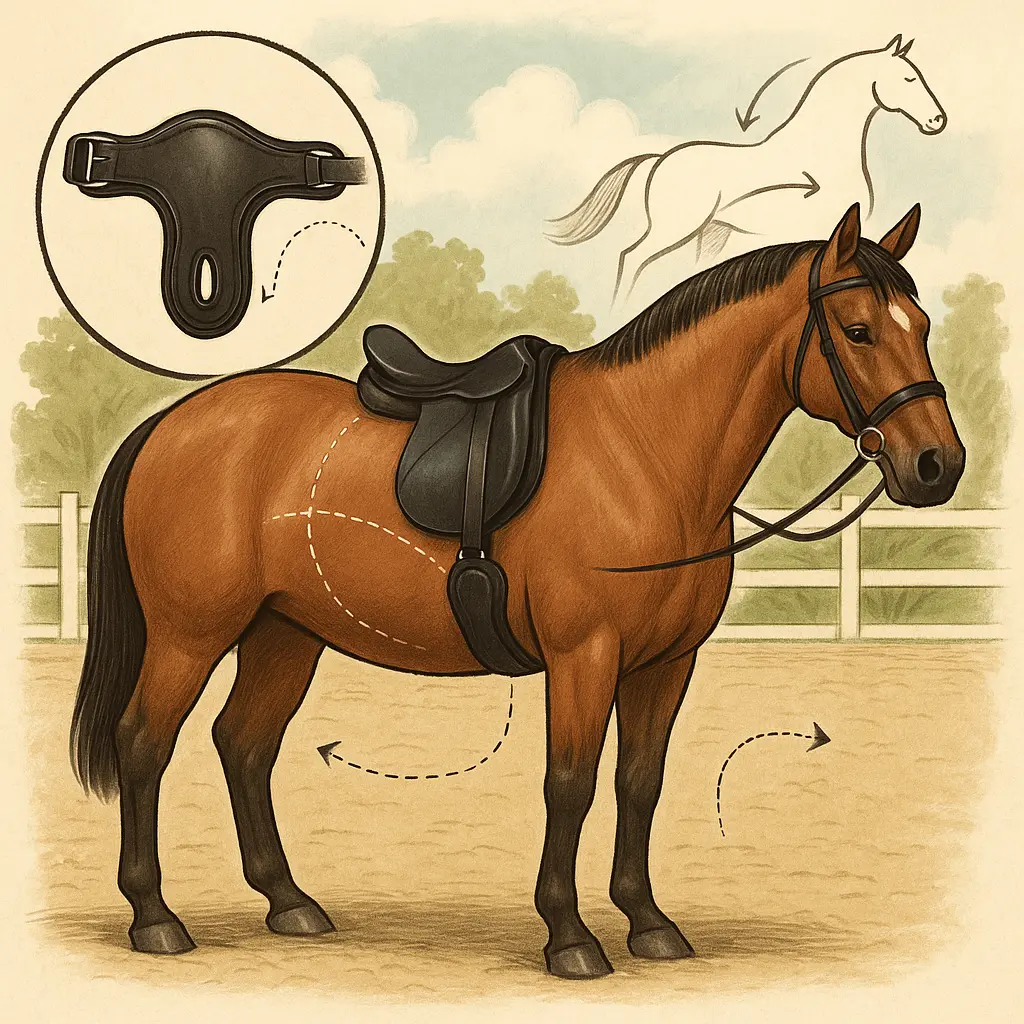
How to fit them correctly
Use a qualified WOW fitter with the measuring gauge, align the front strap behind the elbow, and set the H-girth’s back strap one hole lower (often 2" longer) for correct buckle alignment on big-moving horses.
Correct fitting is non-negotiable: these girths work because of their geometry, and small errors undo the benefits. Here’s a reliable process:
- Book an active WOW fitter who rides/competes; they’ll measure with the official gauge and adjust as your horse’s musculature changes through the UK season (winter loss, spring build, championship peaks).
- For the H-girth, position the front strap so the buckle sits comfortably behind the elbow, not on it. The back strap typically sits one hole lower than the front; many riders go 2" longer at the back to align buckles on big movers.
- On round barrels with a forward girth groove, pair the girth with a forward foregirth flap on the saddle to prevent tipping onto the wither during lift in the trot.
- Check centrality under the sternum and ensure no twist. The girth should follow the horse’s natural groove without dragging the saddle forward.
- Reassess after 3–5 rides; stability usually improves as your horse relaxes against the new pressure pattern.
Quick tip: If your saddle still rolls slightly on a very round type, ask your fitter about adding a point strap and confirm your tree/panel balance. A girth stabilises; it can’t fix a fundamentally unbalanced saddle.
What results to expect and when
Most horses show a softer, lower frame immediately on trial, with girth-groove soreness typically gone within one week if the fit is correct.
A WOW fitter’s case notes showed OTTBs with elbow/girth-groove soreness improved within a week using the FreeSpace, with better reach in medium and extended work and more consistent relaxation (WOW Fitter case report). On UK forums, the majority of riders testing FreeSpace observed instant changes in way of going. You should look for:
- Less bracing when you tighten the girth
- Lower, more open frame and easier lifting of the shoulder
- No rubs behind the elbow in damp, muddy conditions
- Stable saddle in transitions, lateral work and lengthenings
Pro tip: For the cleanest read on your horse’s reaction, test in a calm setting when the horse is cool — e.g., an 8pm summer hack or light school — before committing to full schooling sessions.
General research on girth pressure consistently shows design affects comfort and performance; while we’ve not seen recent BEVA/RCVS studies specific to these models, UK tack must still comply with the Animal Welfare Act 2006 regarding pressure and pain. Fit and monitor like any other piece of performance tack.
Common pitfalls and troubleshooting
The biggest pitfalls are poor strap alignment, over-tightening, and ignoring chafing risks at the elbow on sensitive skins; all are easy to avoid with correct setup and monitoring.
- Buckle misalignment: On the H-girth, the back strap sits one hole lower than the front. If buckles don’t align neatly (often solved by a 2" longer back strap), the girth can pull the saddle forward.
- Elbow chafing: Use the softer/vegan FreeSpace option on clipper-fine coats in autumn/winter. If your horse is particularly sensitive, add a thin, breathable sleeve — but consult your fitter first to maintain geometry.
- Saddle still tips forward: Add a forward foregirth flap and check tree balance and panel contact. Stabilising straps can’t compensate for a saddle that’s too narrow or perched.
- Rolling on the round type: Consider a point strap with your fitter and reassess panel flocking. Pair with grippy, breathable pads only if they don’t introduce bulk that alters fit.
- Tightening anxiety: These girths often help horses who resent girthing, but still tighten gradually and perform a few in-hand stretches before mounting.
As one experienced user put it after trying “everything”:
“Everything slides forward with any other girth - the H-girth is the only one that solved the problems.” — WOW saddle owner report
Cost and UK buying advice
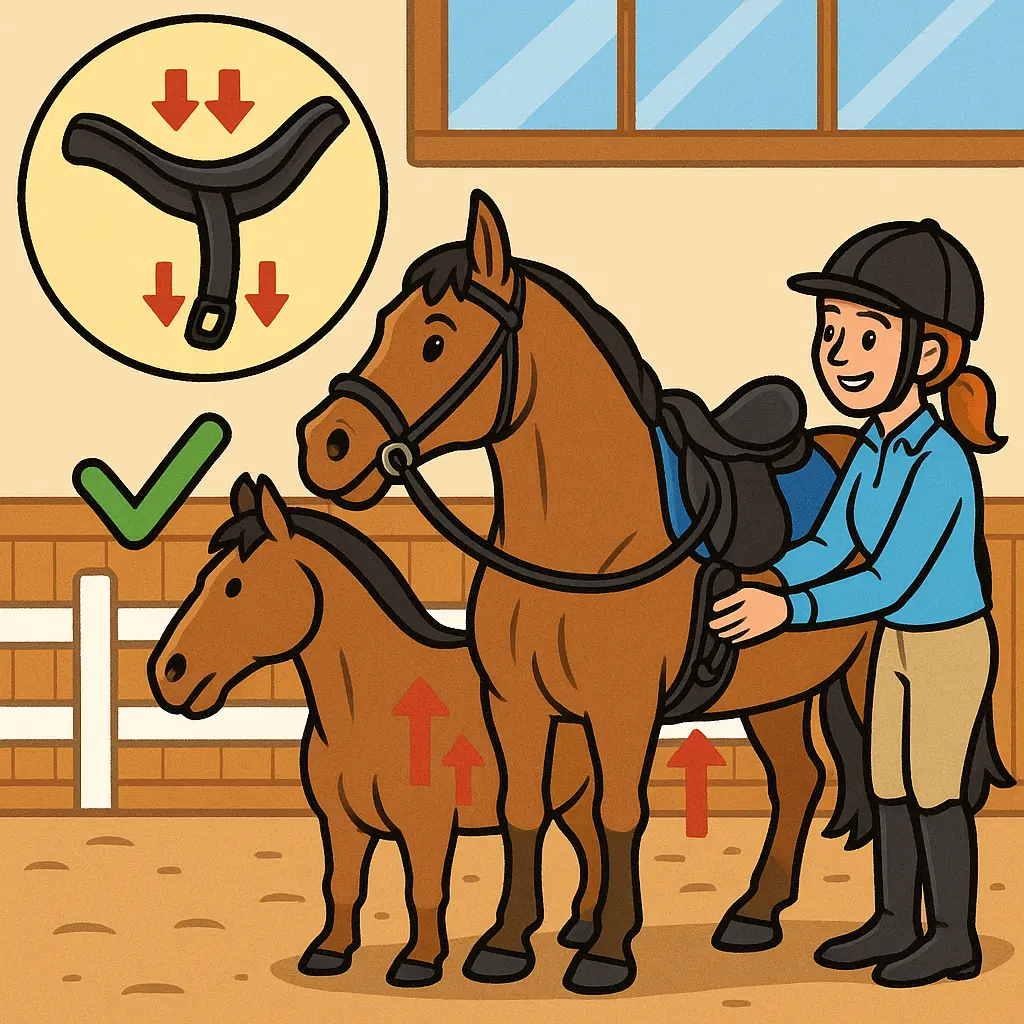
These girths sit at the premium end of the UK market, with riders judging them “worth the expense” for the stability and comfort gains they deliver.
Instructors and owners who have invested across multiple horses consistently recommend them as money well spent for the right shape and workload (instructor recommendation). Reports suggest that premium options in the dressage category can extend into the £1,000+ high-end market in the UK, and published ranges for advanced dressage tack show figures from around £519 up to £2,499+ for models featuring shoulder-freeing girthing layouts. If you’re budget-conscious, UK riders often source used options or buy via UK sellers to avoid rising post-Brexit import costs, regularly saving around £150 compared with importing.
Practical buying tips:
- Work with a fitter who can loan/demo before you commit; plan a one-week trial window to assess soreness and gait changes.
- Re-check fit after a few weeks as work ramps up towards clinics and competitions — especially if you’re also adjusting saddles with changeable gullets or flocking.
- Watch the second-hand UK market and reputable auction sites; confirm strap lengths and buckle guard type (single vs double) before bidding.
At Just Horse Riders, our competition customers often pair premium girths with smart, breathable kit for show days. If you’re upgrading for the season, browse our curated women’s competition clothing and ensure your headgear meets current standards with our range of certified riding helmets.
Care, maintenance and what to pair with
Choose the vegan FreeSpace for easy-clean performance in wet UK weather, wipe down after rides, and pair with a stable saddle setup (foregirth flap, correct tree) for best results.
UK autumn and winter are hard on tack. Synthetics are a gift: a quick wipe removes sweat and mud, and they dry fast in cold tack rooms. Through damp periods, check for grit build-up behind the elbow — a common source of rubs. If you’re schooling on abrasive, wet surfaces, rinse salt/sweat before stabling and pat dry. Pairing tips:
- Saddle interface: Combine with anatomically sympathetic trees and Y-girthing layouts to keep shoulders free in big movers.
- Cold-season comfort: For horses who tighten in the chill, consider supportive joint and muscle supplements alongside your physio plan, and protect limbs in schooling with breathable horse boots and bandages.
- Weather resilience: Keep your horse comfortable and dry to prevent compensatory tension in the back with well-fitted winter turnout rugs and cosy stable rugs between sessions.
- Grip and welfare: Groom sweat and mud out of the girth groove before and after work using quality tools from our horse grooming range to minimise chafing.
- Visibility for late schooling: If you’re riding at dusk to catch that calm 8pm test session, add rider hi-vis layers for yard lanes and country roads.
Quick tip: Trial in damp, blustery autumn sessions as well as dry days to be sure there’s no chafing when the coat is wet and the skin is softer — that’s when poor designs show their flaws and the FreeSpace’s cutaway really pays off.
Step-by-step setup checklist
Use this quick UK-focused checklist the first week you switch girths.
- Day 1: Fit with your WOW fitter; set H-girth back strap 1 hole lower (often 2" longer) and place front strap behind the elbow.
- Day 2–3: Light school or hack at cooler times (e.g., 8pm summer or midday winter) to read relaxation; note any rubs or hot spots post-ride.
- Day 3–4: Add transitions, shoulder-in, and first lengthenings; confirm saddle doesn’t creep onto the shoulder.
- Day 5–7: Check girth groove skin; soreness should be reduced or gone within a week if fitted correctly.
- End of Week 2: Review with fitter; adjust strap hole pairing and consider foregirth flap or point strap if needed.
If you’re refreshing your kit at the same time, our Secret Tack Room clearance can be a smart place to pick up brand-name layers like LeMieux saddle pads to finish the setup professionally.
FAQs
Will a WOW H-girth or FreeSpace girth stop my saddle sliding forward?
Yes. Their geometry is designed for round barrels and forward girth grooves, and riders report that they prevent forward creep and stabilise the saddle even in big movements and changes.
How quickly should I see a difference?
Many horses relax and lower the frame on the first ride. Girth-groove soreness typically resolves within about one week when the fit is correct, based on fitter case notes.
Which model should I choose for a sensitive-skinned horse?
The FreeSpace girth in the vegan/soft finish is easy-clean and kind to fine coats, reducing elbow chafing in wet, muddy UK conditions.
How should the H-girth buckles line up?
Set the back strap one hole lower than the front; many big-moving horses need the back strap 2" longer to align buckles neatly and maintain correct geometry.
What if the saddle still rolls on my very round horse?
Speak to your fitter about adding a point strap and review tree and panel balance. A girth stabilises but won’t compensate for a saddle that’s the wrong shape.
Is the investment worth it for UK riders?
For the right horse shape, users and instructors call it “well worth the expense” thanks to better comfort, stability and way of going. UK riders often save by sourcing via domestic sellers or the used market.
How do I care for it through a British winter?
Wipe down after rides, rinse away salt and grit, and dry at room temperature. The vegan FreeSpace option is particularly easy to keep clean in rain, mud and cold.