


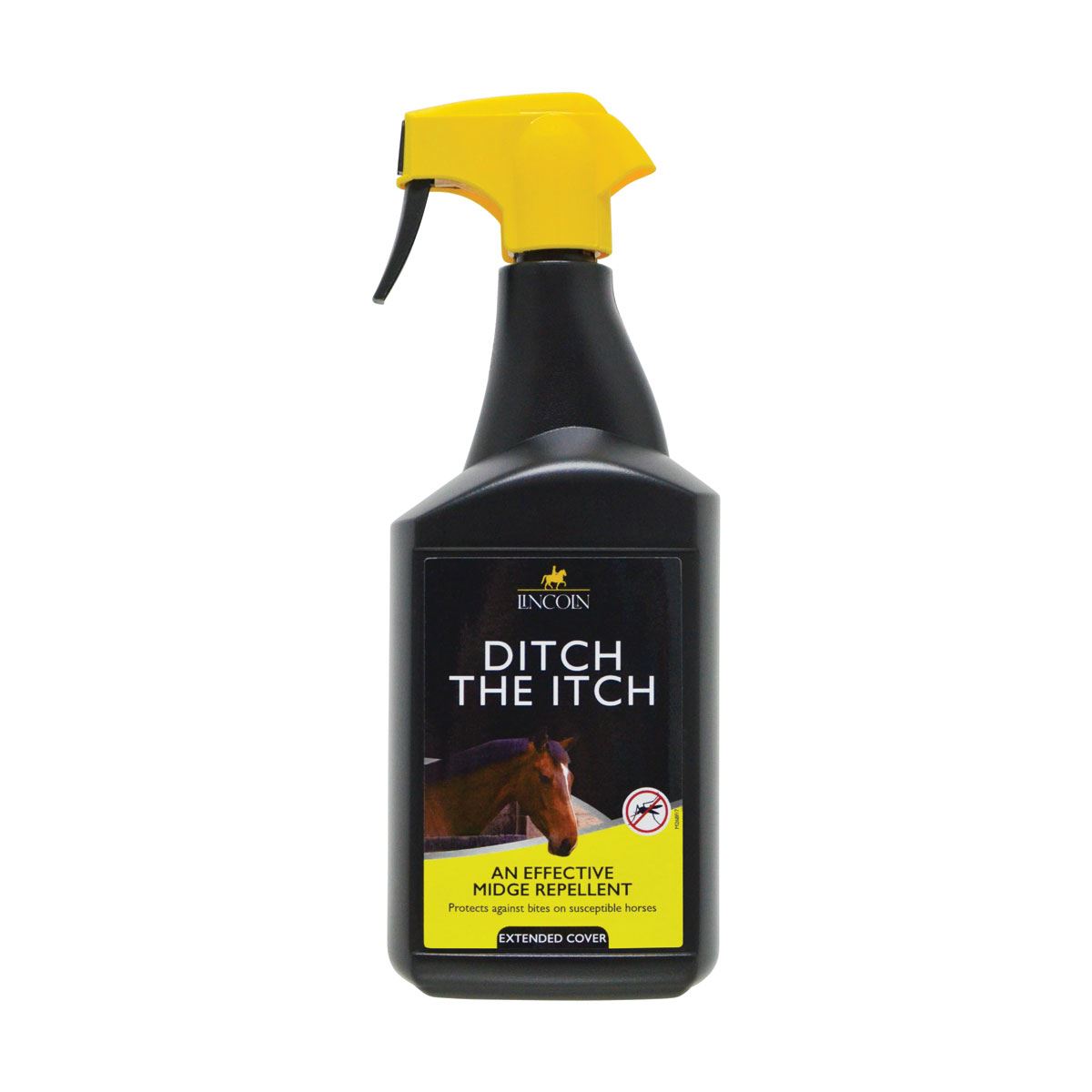
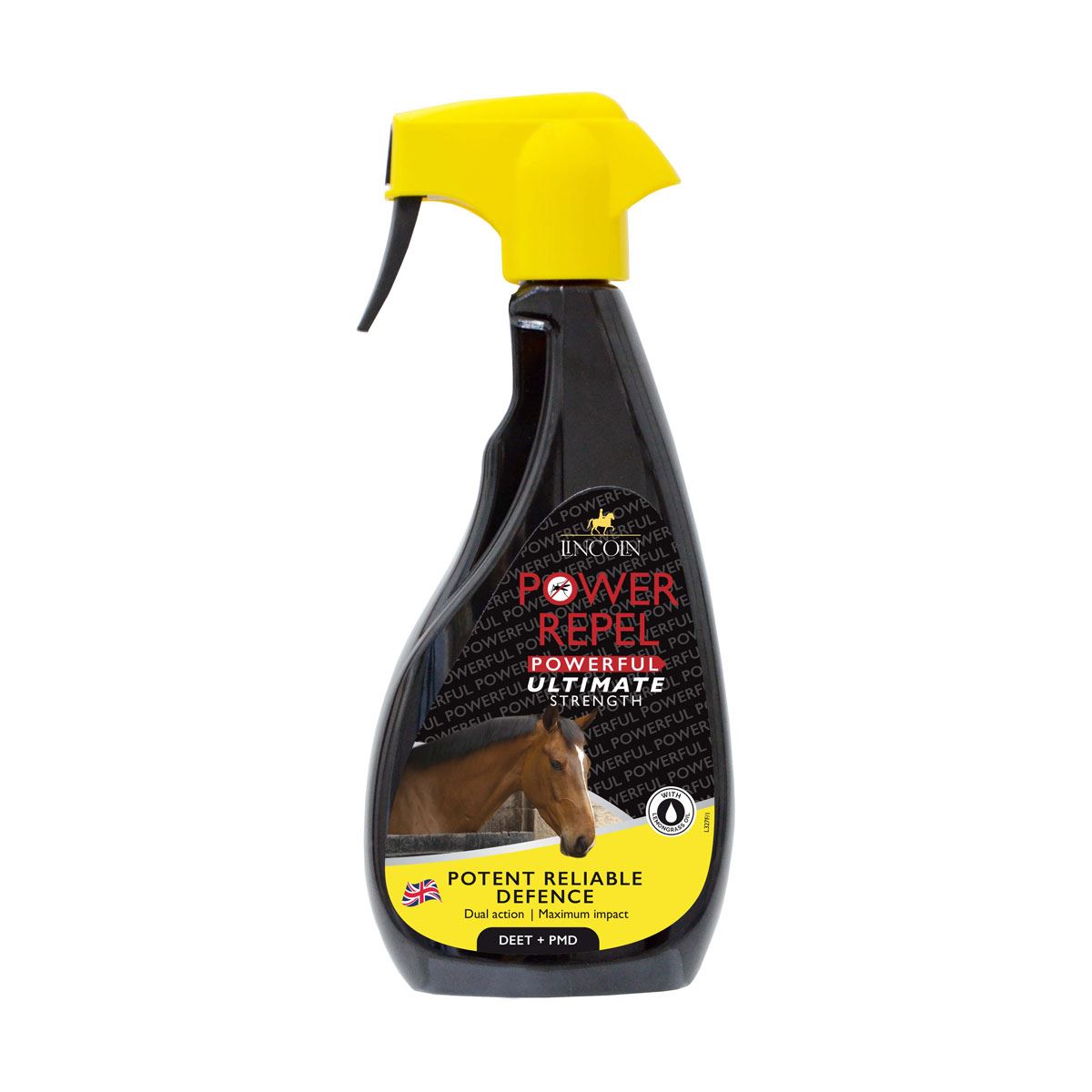
Lincoln's fly range gives you a repellent for every situation, and the right one depends on how long your horse is out and how they feel about being sprayed. For long summer turnout and yards buying in bulk, Lincoln Power Repel is the heavy-duty choice, from £14.72 for 500ml and up to a 4 Litre refill at £88.77. For everyday ridden work, Lincoln Classic Fly Repellent Liquid starts at £7.41 for 250ml. And for horses who hate the hiss of a spray bottle, the Lincoln Fly Repellent Roll-On at £3.59 lets you work around the face and ears by hand. There are 9 Lincoln fly products in this collection, 7 of them in stock right now.
In a hurry?
- Toughest cover for long turnout: Lincoln Power Repel — from £14.72 (500ml), also 1 Litre £26.43, 2.5 Litre £46.38, 4 Litre £88.77.
- Best everyday all-rounder: Lincoln Classic Fly Repellent Liquid — from £7.41 (250ml), 500ml £12.38, 1 Litre £16.56.
- Cheapest way to start: Lincoln Fly Repellent Roll-On 50ml — £3.59.
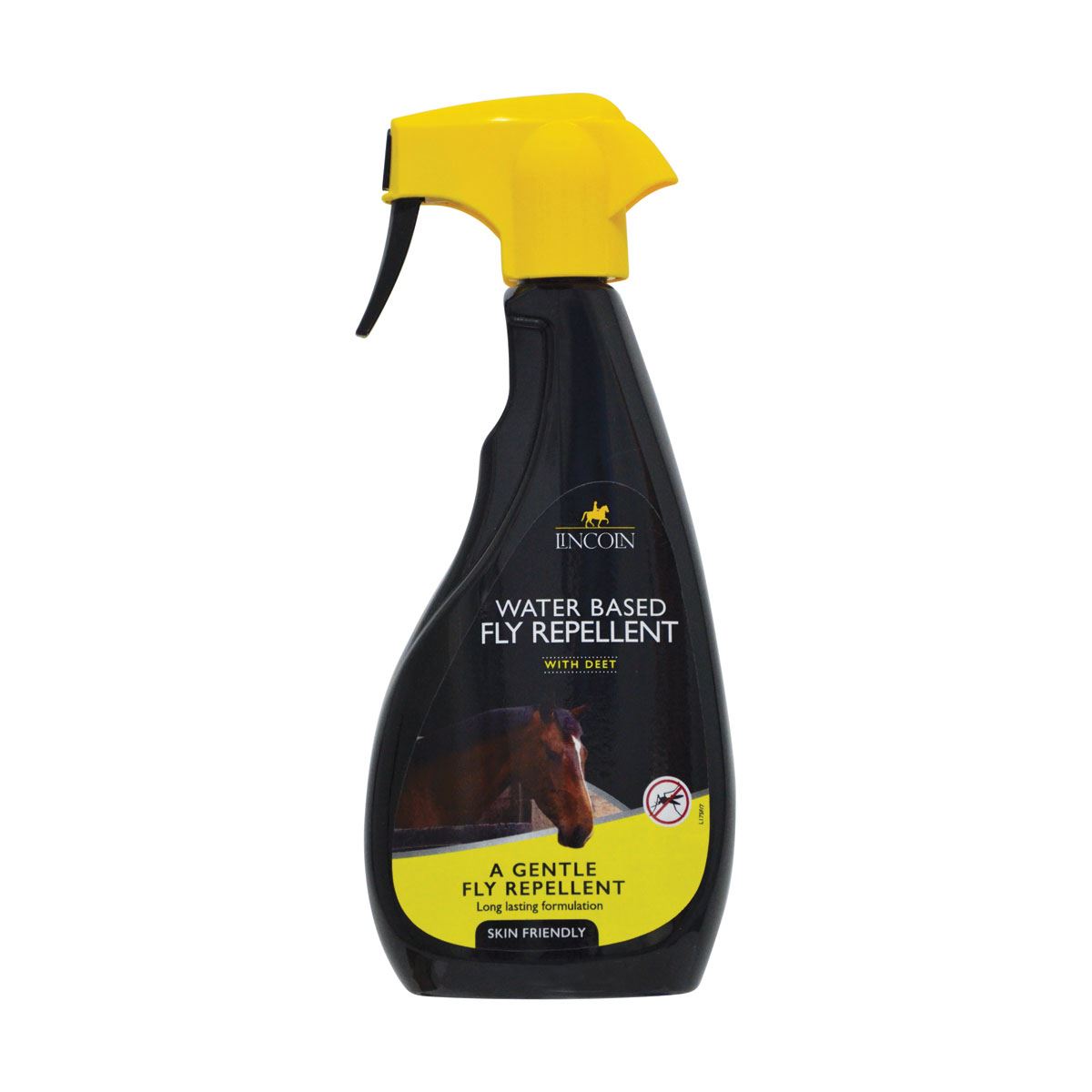
- Prefer a water-based option: Lincoln Water Based Fly Repellent 500ml — £10.59.
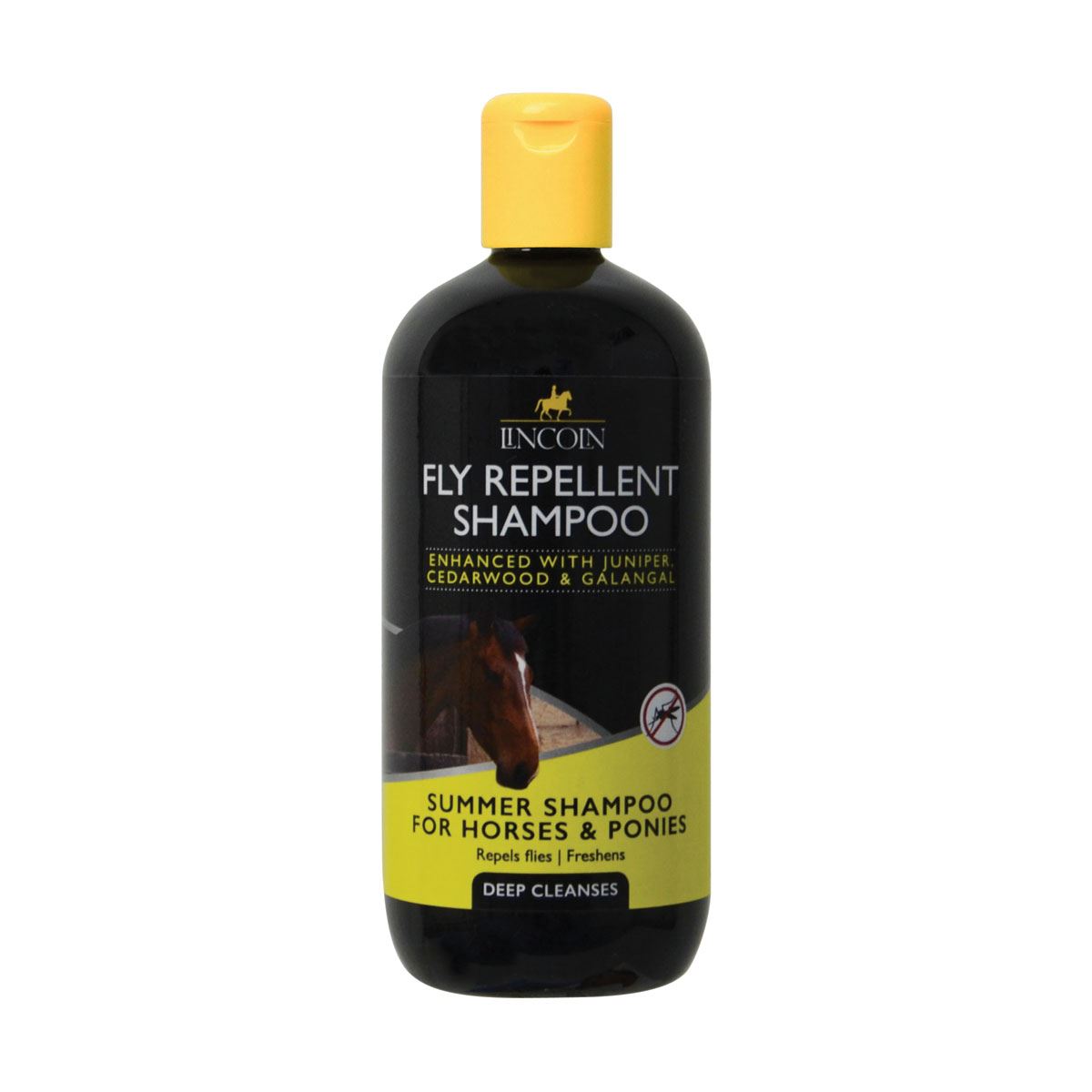
- Bath day: Lincoln Fly Repellent Shampoo 500ml — £7.41.
Prices are the lowest in-stock size at the time of writing.
Which Lincoln fly repellent should I buy?
Use the table below to match the product to the job. Every item listed here is in stock.
| Product | Sizes in stock | From | Best for |
|---|---|---|---|
| Lincoln Power Repel | 500ml, 1 Litre, 2.5 Litre, 4 Litre | £14.72 | Long turnout, busy yards and anyone who wants a big refill size |
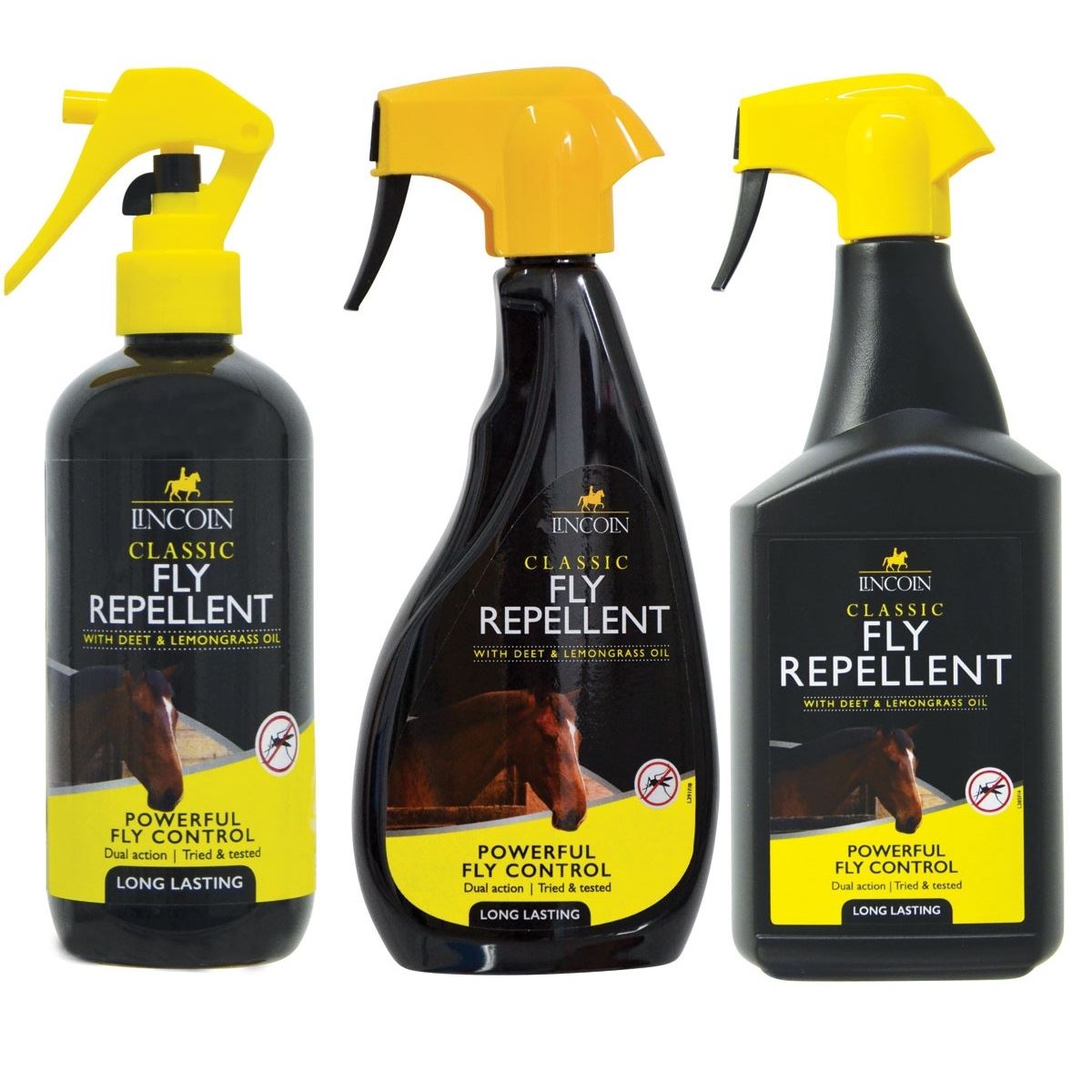
| Lincoln Classic Fly Repellent Liquid | 250ml, 500ml, 1 Litre | £7.41 | The traditional pick for daily ridden work and hacking |
| Lincoln Water Based Fly Repellent | 500ml | £10.59 | Owners who would rather use a water-based formula |
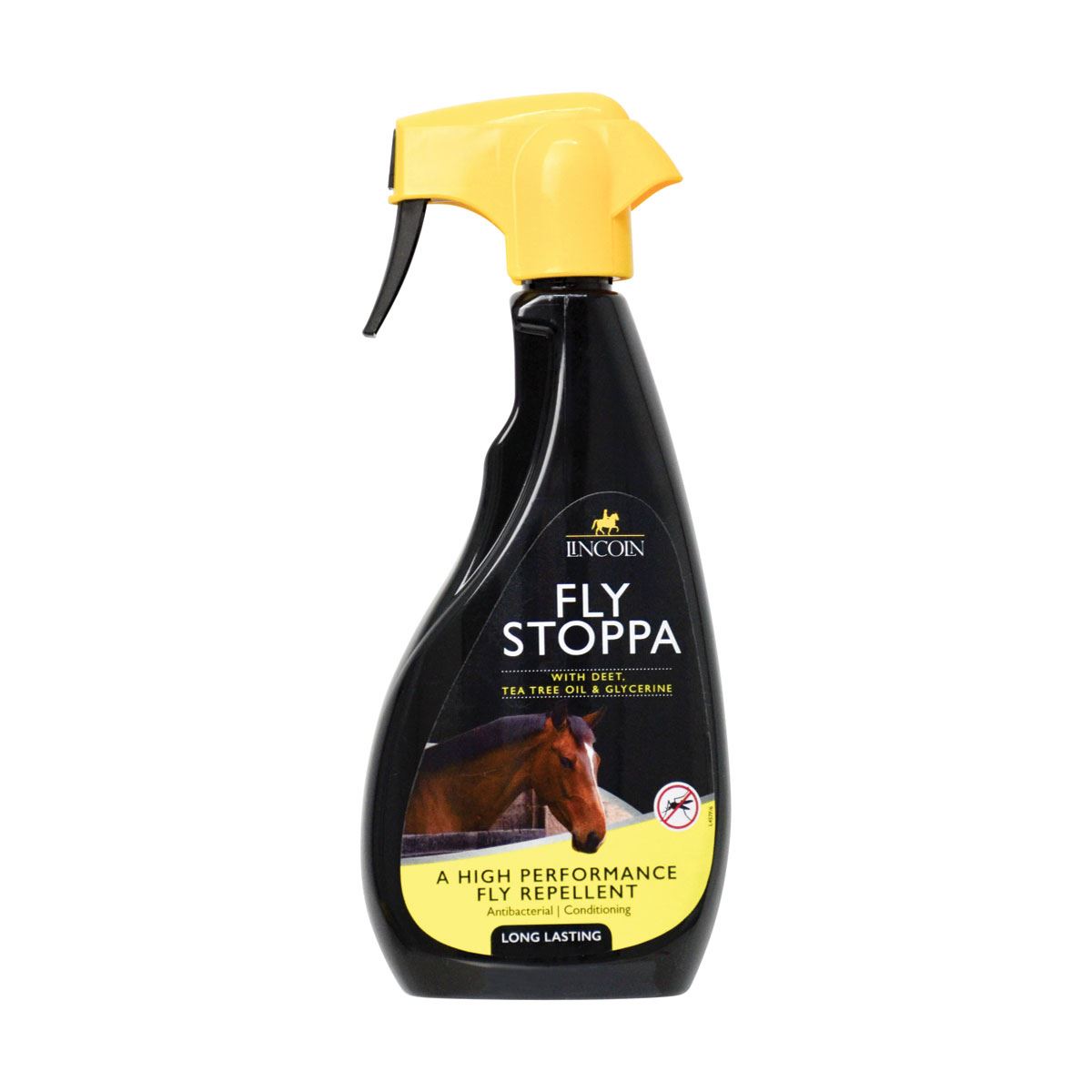
| Lincoln Fly Stoppa | 500ml | £9.32 | A straightforward everyday spray for the grooming kit |
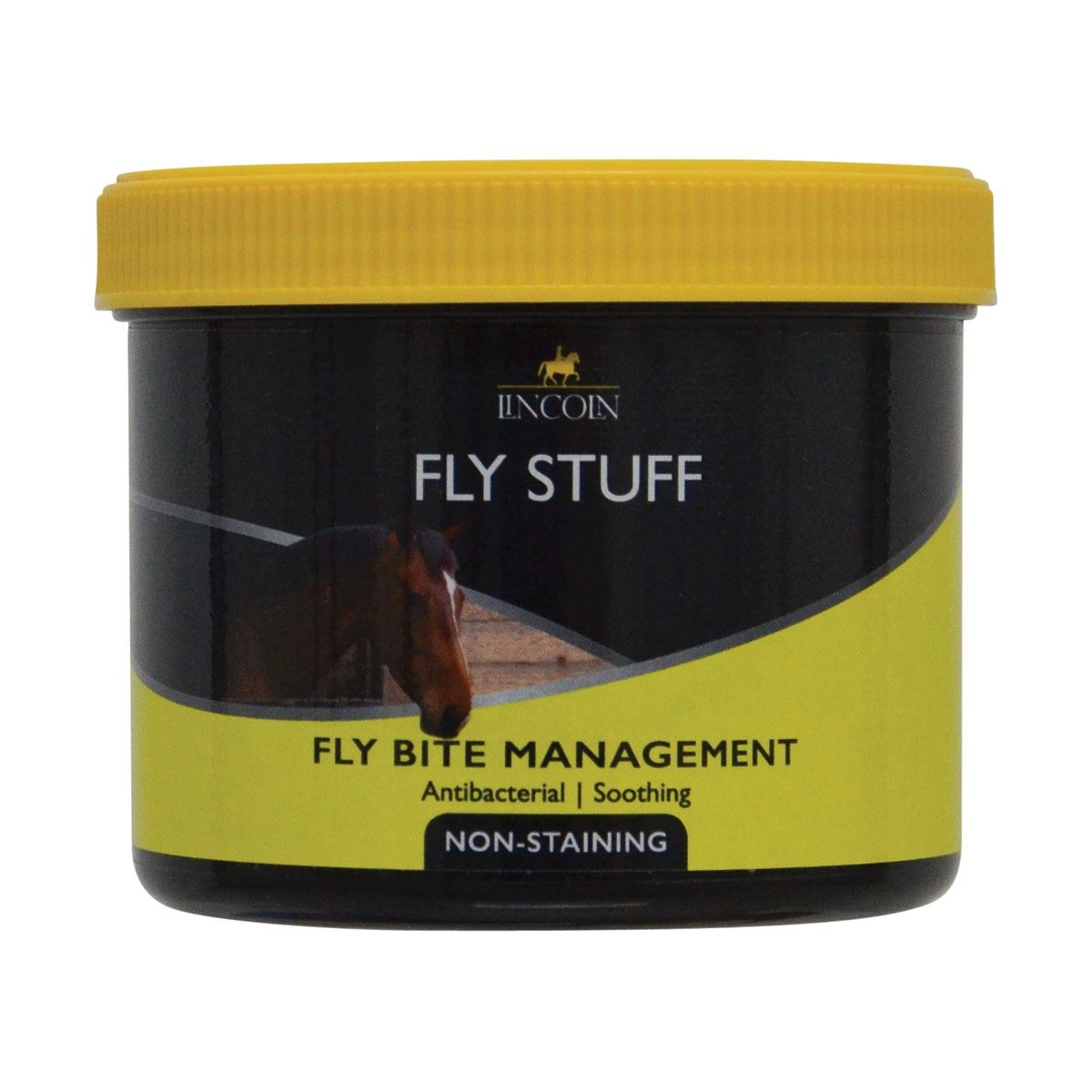
| Lincoln Fly Stuff | 400gm | £9.01 | A larger 400gm pack for regular use through the season |
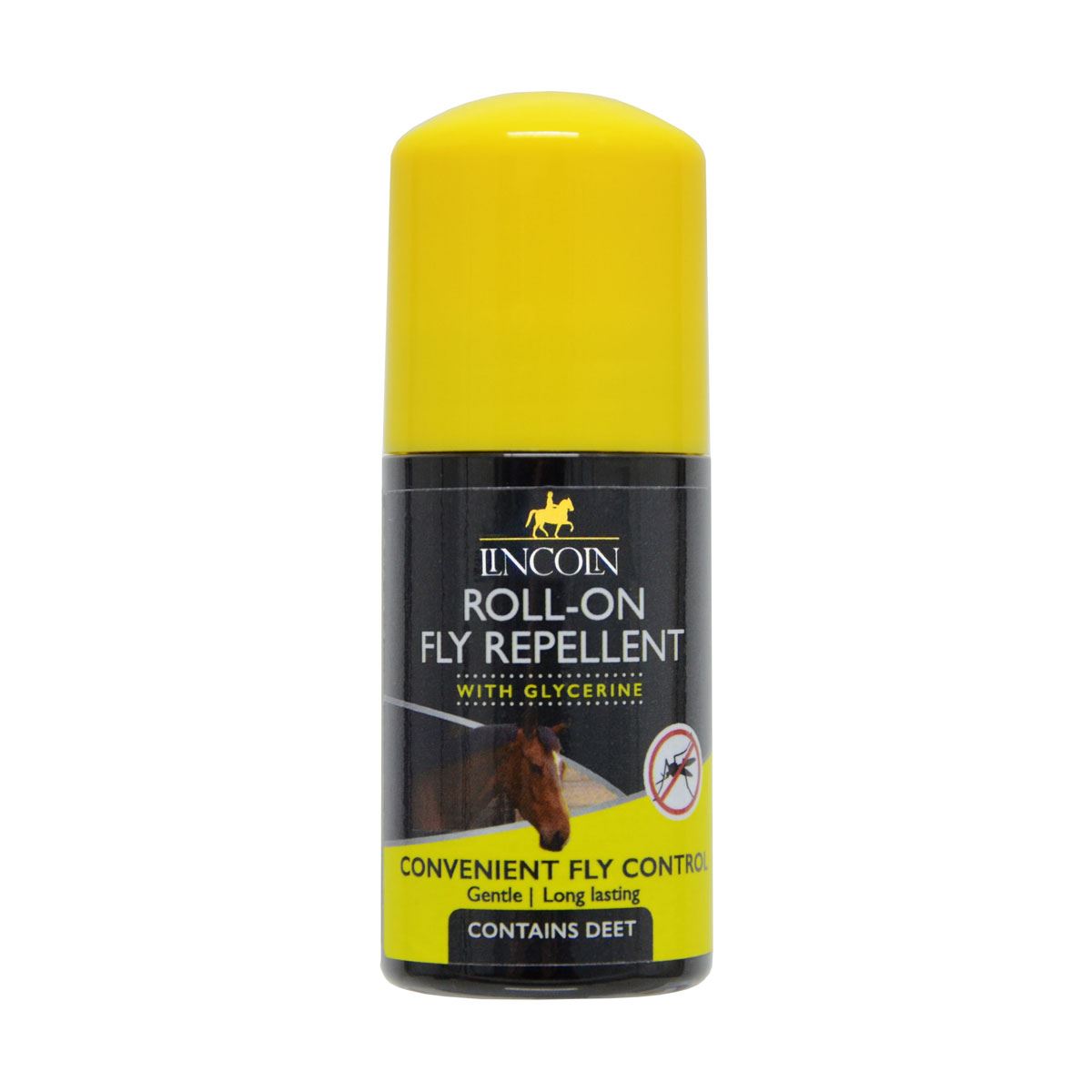
| Lincoln Fly Repellent Roll-On | 50ml | £3.59 | Careful, controlled application around the head and ears |
| Lincoln Fly Repellent Shampoo | 500ml | £7.41 | Washing off sweat and grease so your repellent sits on a clean coat |
How do you use fly repellent so it actually works?
Most of the complaints we hear about repellent come down to application rather than the product. A few habits make a real difference:
- Start with a clean, dry coat. Sweat, dust and grease dilute whatever you put on top. A wash with Lincoln Fly Repellent Shampoo before you spray gives the repellent a fair chance.
- Apply before the flies build up, not after your horse is already stamping. Early morning, before turnout, is the easiest habit to keep.
- Never spray at the face. Spray onto a cloth or your gloved hand and wipe around the cheeks, or use the roll-on for close work near the eyes and ears.
- Top up after rain, washing or a hard sweat. Water moves product off the coat.
- Patch test a new product on a small area and leave it 24 hours before you cover the whole horse, especially with sensitive or fine-skinned types.
What is the difference between a classic and a water-based repellent?
In simple terms, it is about what the active ingredients are carried in. Solvent-based formulas such as Lincoln Classic Fly Repellent Liquid are the long-standing yard favourite and tend to cling well to the coat. Water-based options such as Lincoln Water Based Fly Repellent suit owners who want a gentler-feeling application on the skin, or who ride horses that object to the smell of a stronger solvent. Neither is automatically better; it depends on your horse's skin, your climate and what you have got on with in past summers.
How much repellent will I get through in a season?
A single horse ridden and turned out daily through a British summer will usually work through several 500ml bottles. If you are buying for more than one horse, or running a yard, the larger Power Repel sizes are the sensible route: the 4 Litre at £88.77 works out far better per millilitre than repeatedly replacing 500ml bottles at £14.72. If you are trying Lincoln for the first time, start small with the 50ml roll-on at £3.59 or the 250ml Classic Liquid at £7.41 and see how your horse reacts before committing to a refill.
What about horses with itchy or broken skin?
Repellents are there to deter biting insects and help reduce the number of bites your horse takes. They are not a treatment. If your horse has broken skin, hair loss, open sores, persistent rubbing or a suspected sweet itch problem, speak to your vet first and follow their advice on what may be applied and when. Never apply repellent to damaged skin, and always read the manufacturer's label for the species, age and areas each product is approved for. Used alongside veterinary advice, a good repellent supports a wider fly-management routine that also includes rugs, masks and sensible turnout timing.
What else pairs well with a Lincoln repellent?
Repellent works best as one part of a plan. Fly rugs and masks stop bites mechanically, shaded or breezy turnout areas reduce midge pressure at dawn and dusk, and clean, well-mucked areas cut down on breeding sites near the stable. Browse the wider Lincoln horse care range for grooming and coat-care products from the same brand.
Lincoln fly repellent FAQs
Which Lincoln fly repellent is the strongest?
Lincoln Power Repel is the heavy-duty option in the range and the one most owners reach for when flies are at their worst or horses are out for long stretches. It starts at £14.72 for 500ml and is also available in 1 Litre (£26.43), 2.5 Litre (£46.38) and 4 Litre (£88.77) sizes, so it suits multi-horse yards as well as individual owners. Always read and follow the label before use.
How often should I reapply fly repellent to my horse?
Follow the reapplication interval printed on the bottle, as it varies between formulations. In practice, plan to top up after rain, after washing your horse down, and after any hard sweaty work, because water and sweat carry product off the coat. On very hot, still days when flies are relentless, you will get through more than on a breezy day.
Can I put fly repellent on my horse's face?
Never spray directly at the face. Spray onto a cloth or gloved hand and wipe carefully over the cheeks and forehead, keeping well clear of the eyes, nostrils and mouth. For close work around the ears and eye area, the Lincoln Fly Repellent Roll-On (50ml, £3.59) gives you far more control than an aerosol or trigger spray. A fly mask remains the safest protection for the eyes themselves.
Should I choose a water-based or a classic fly repellent?
Lincoln Classic Fly Repellent Liquid (from £7.41) is the traditional solvent-based choice and a long-standing yard staple. Lincoln Water Based Fly Repellent (500ml, £10.59) suits owners who prefer a water-based carrier, often for horses with more sensitive skin or those that dislike a stronger smell. If you are unsure, buy the smallest size, patch test on a small area, and see which your horse tolerates best.
Will fly repellent help a horse with sweet itch?
A repellent can help reduce the number of midge bites a horse takes, which supports a wider management routine, but it does not treat or cure sweet itch. If your horse is rubbing, has hair loss or has broken skin, speak to your vet before applying anything. Never use repellent on damaged skin, and combine any product with practical measures such as fly rugs and avoiding turnout at dawn and dusk when midges are most active.
Does the fly repellent shampoo replace a spray?
No, they do different jobs. Lincoln Fly Repellent Shampoo (500ml, £7.41) cleans the coat and strips off the sweat and grease that stop a repellent gripping properly. Use it on bath day, let the coat dry, then apply your chosen spray or roll-on on top. Think of the shampoo as preparation rather than protection in its own right.
Not sure which one to order?
If you are choosing between the Classic Liquid, the Water Based repellent and Power Repel, get in touch and our team will help you pick based on your horse's skin, your turnout routine and how many horses you are covering.
Free UK delivery over £50 · 90-day returns · Expert help
Last reviewed 2026-07-24 by the Just Horse Riders team.