
Ear Nets
Quiet ears, sharper focus.
Fly veils and ear bonnets that keep the buzz out and the schooling calm.
Ear Nets & Fly Veils
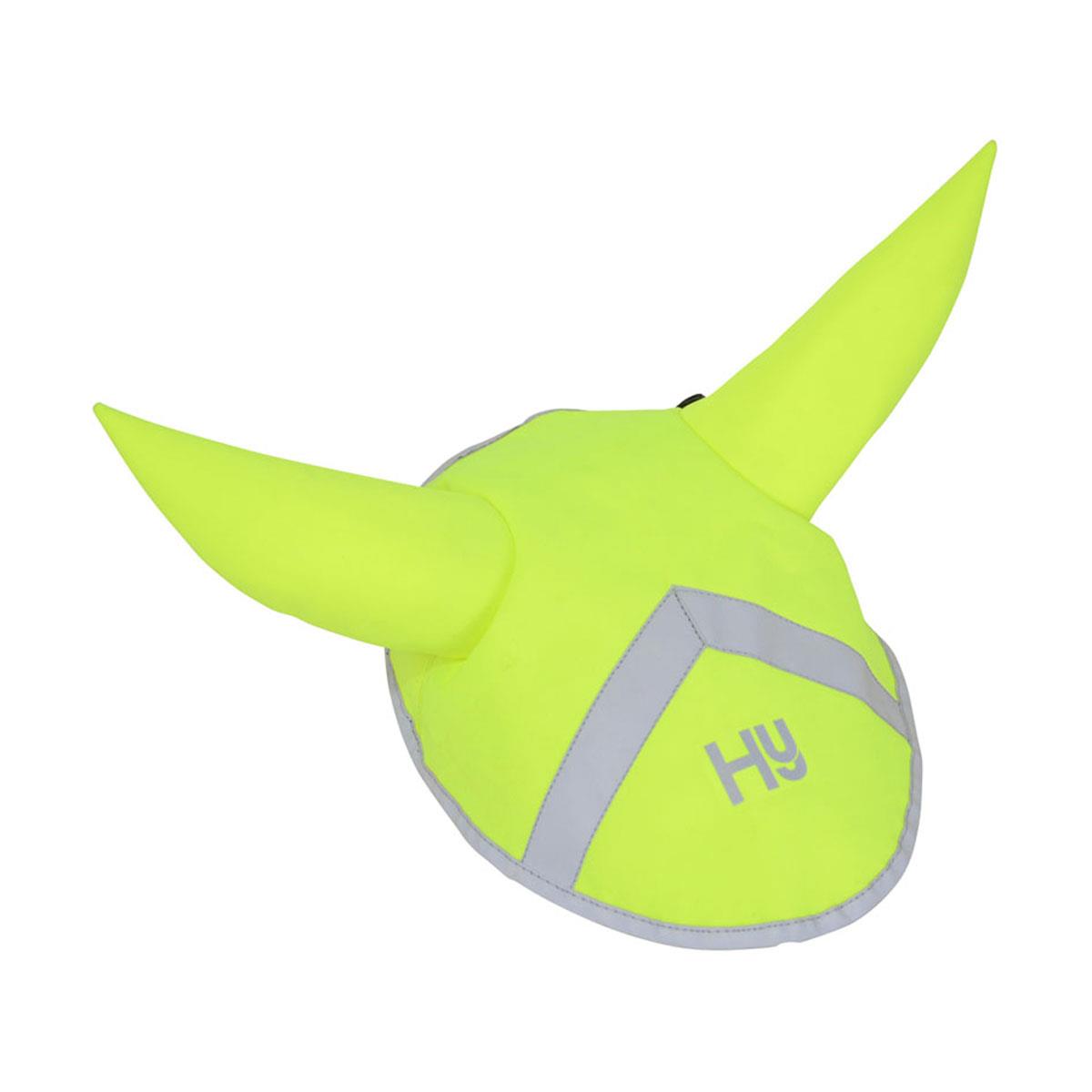
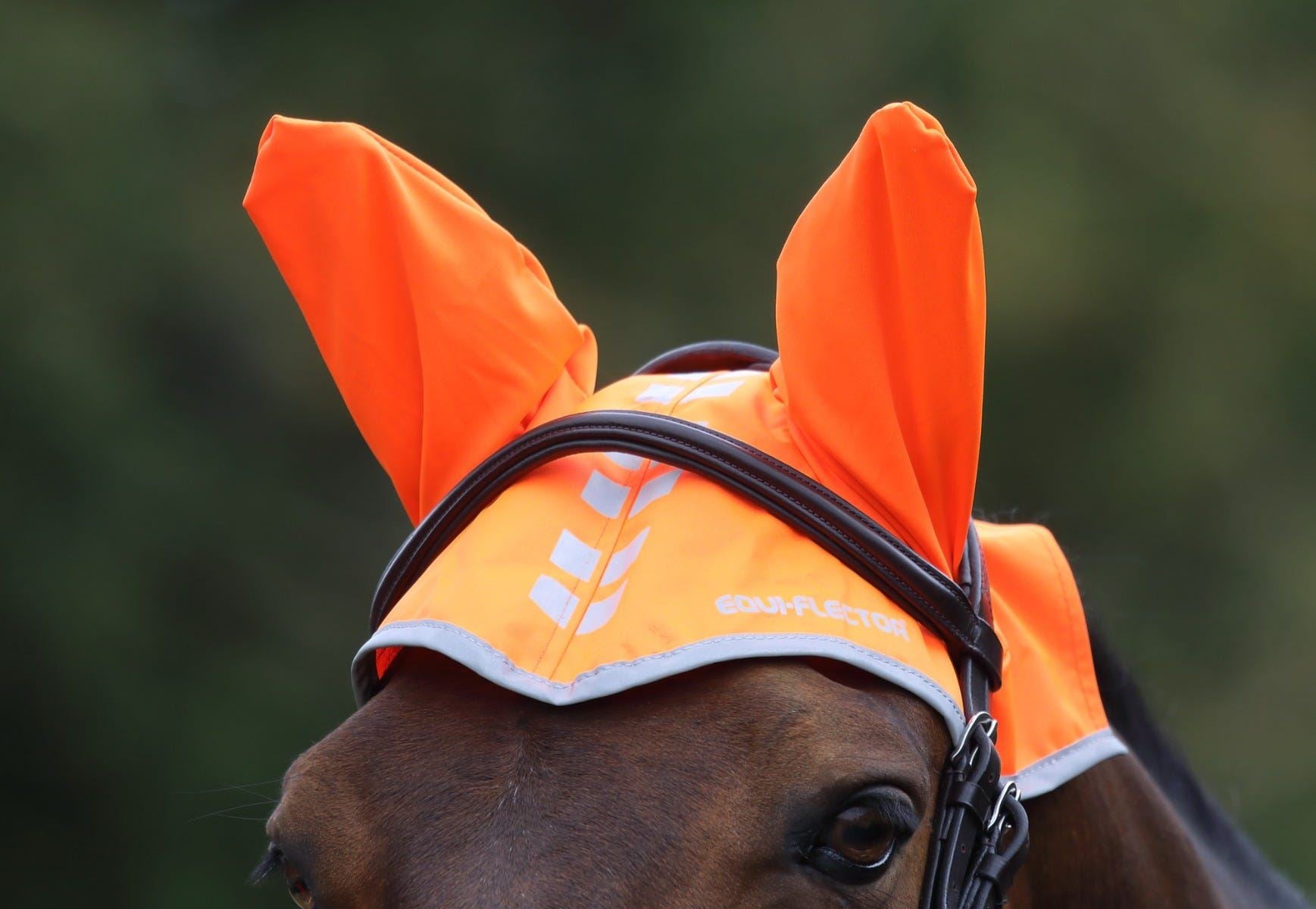
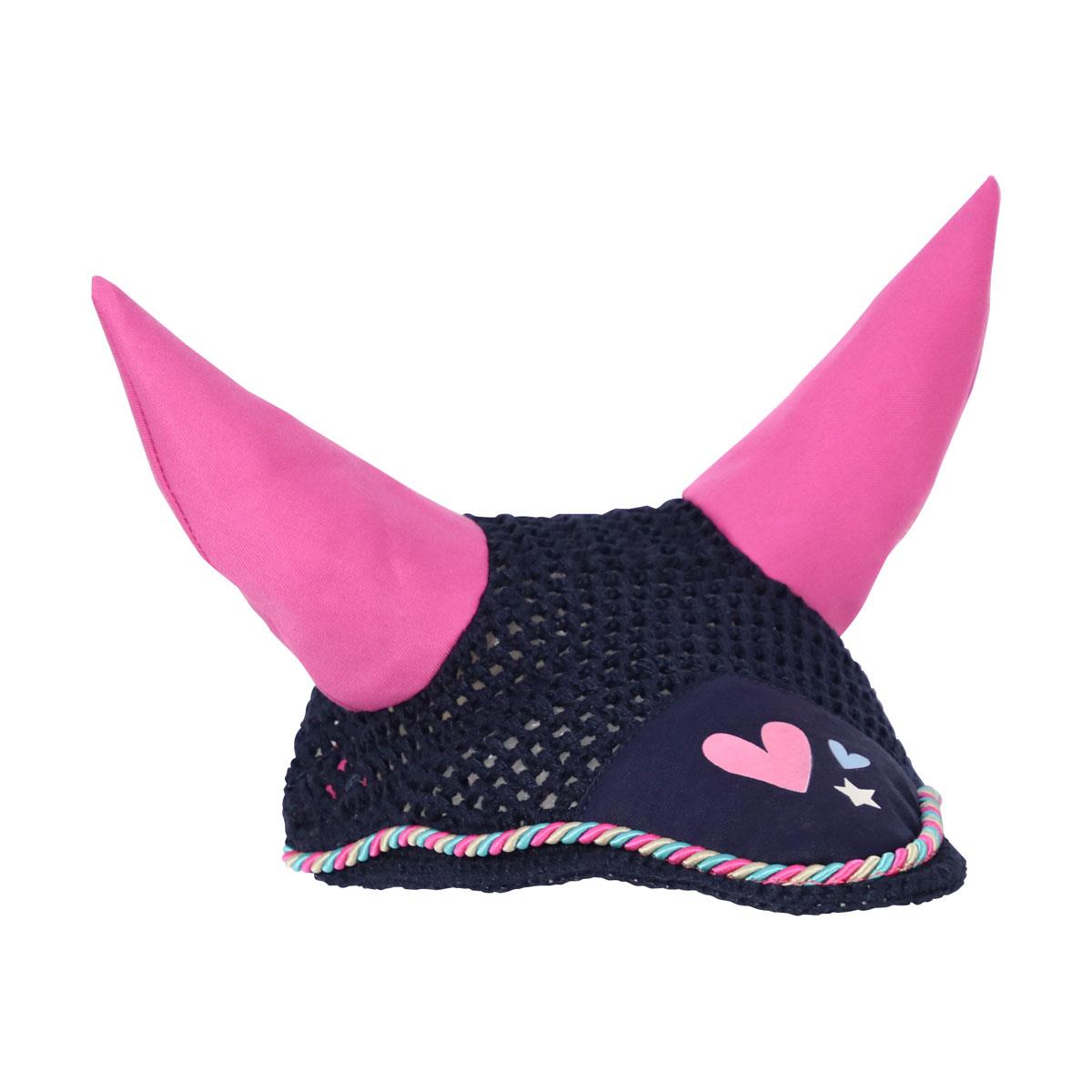
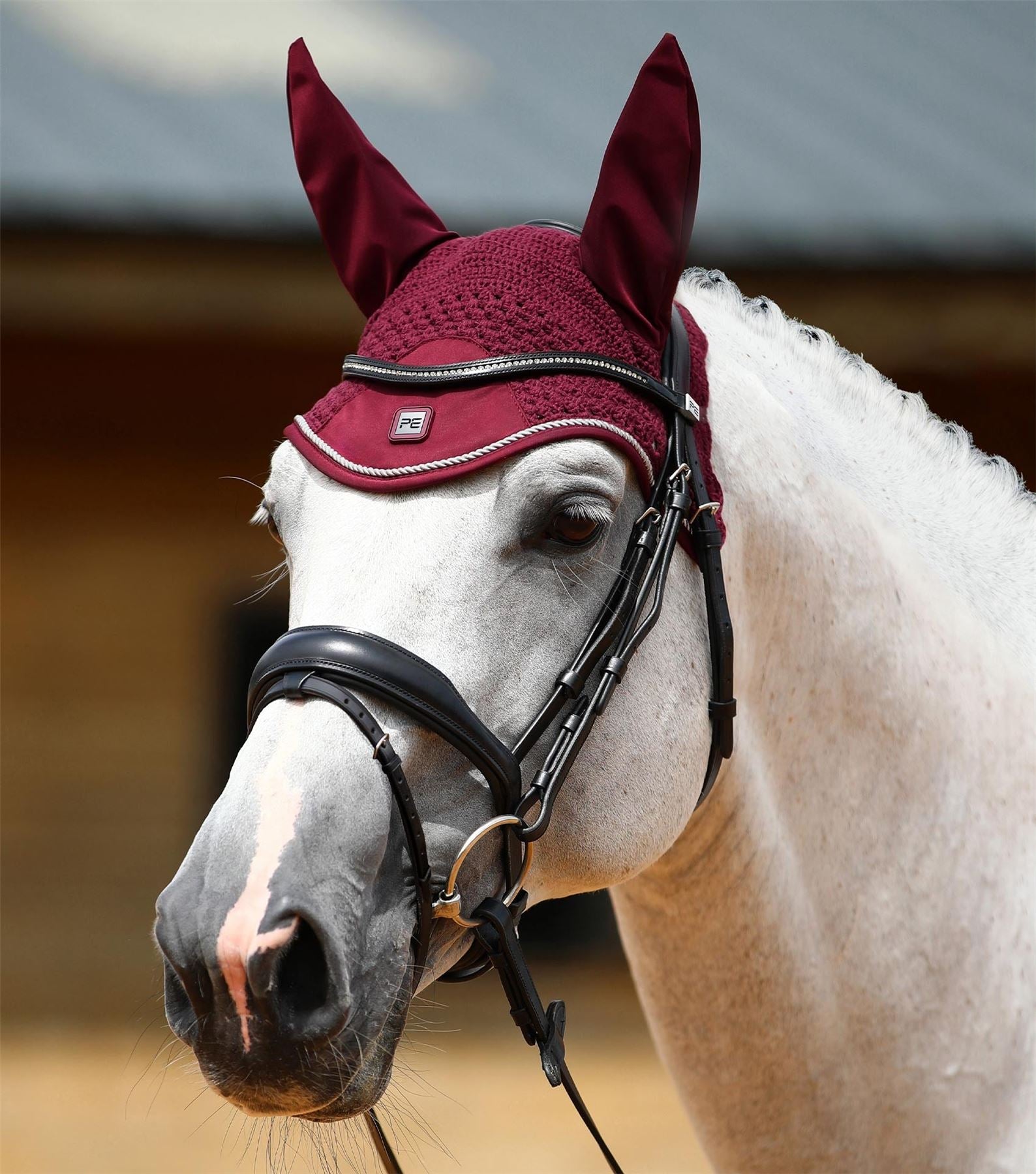
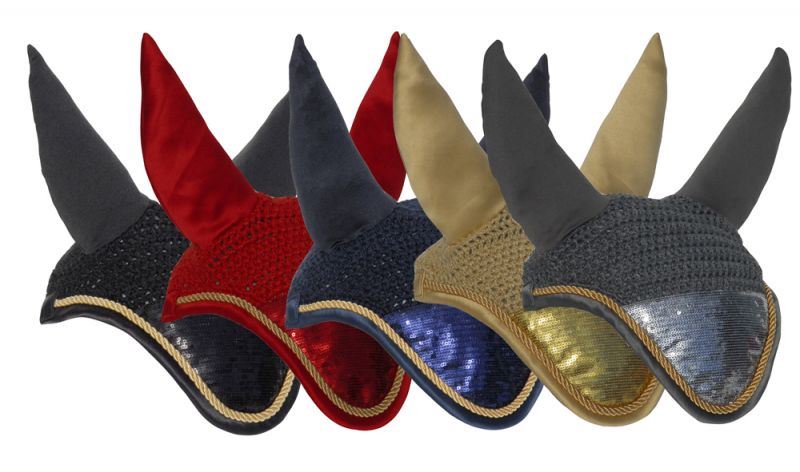
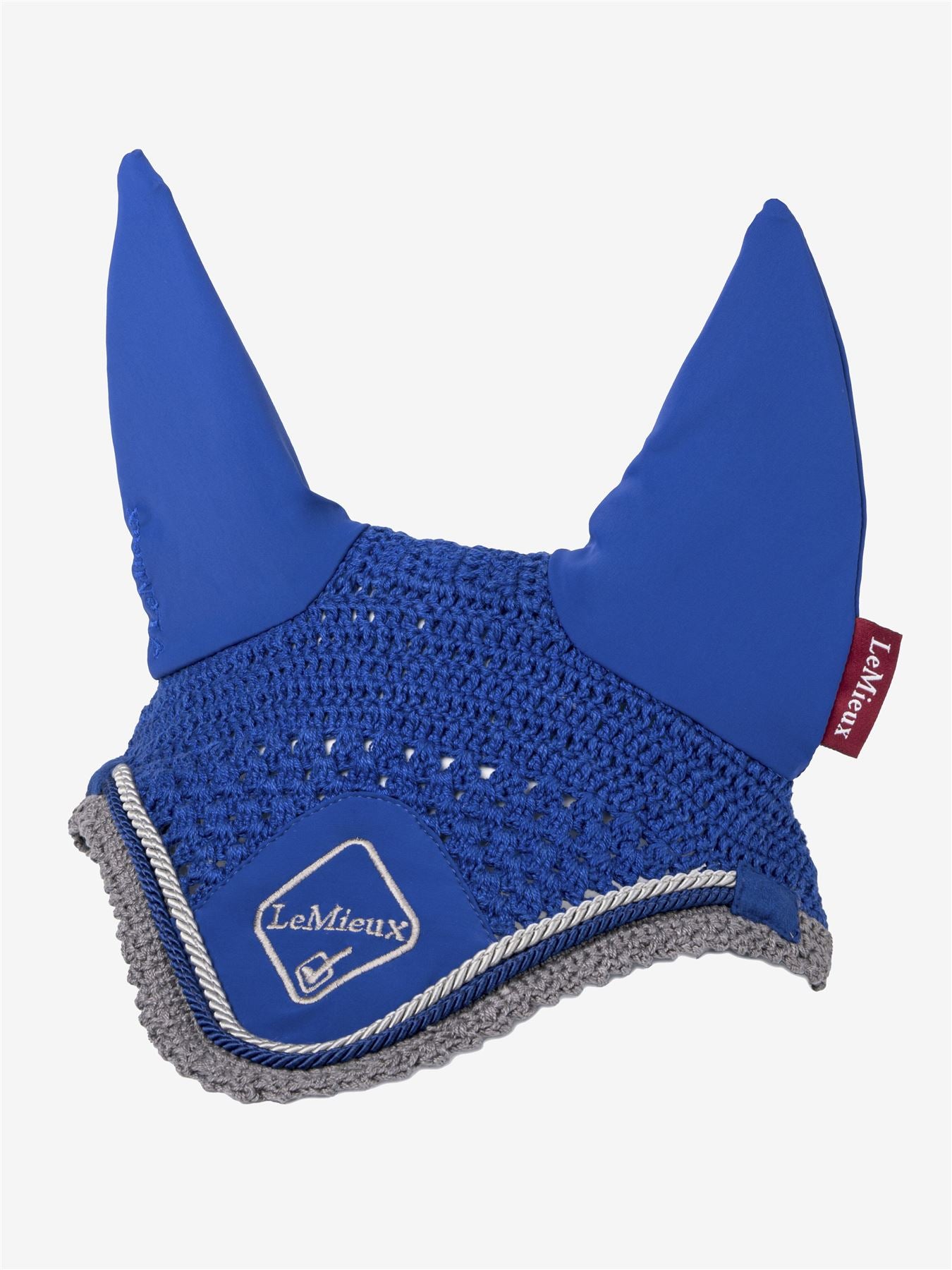

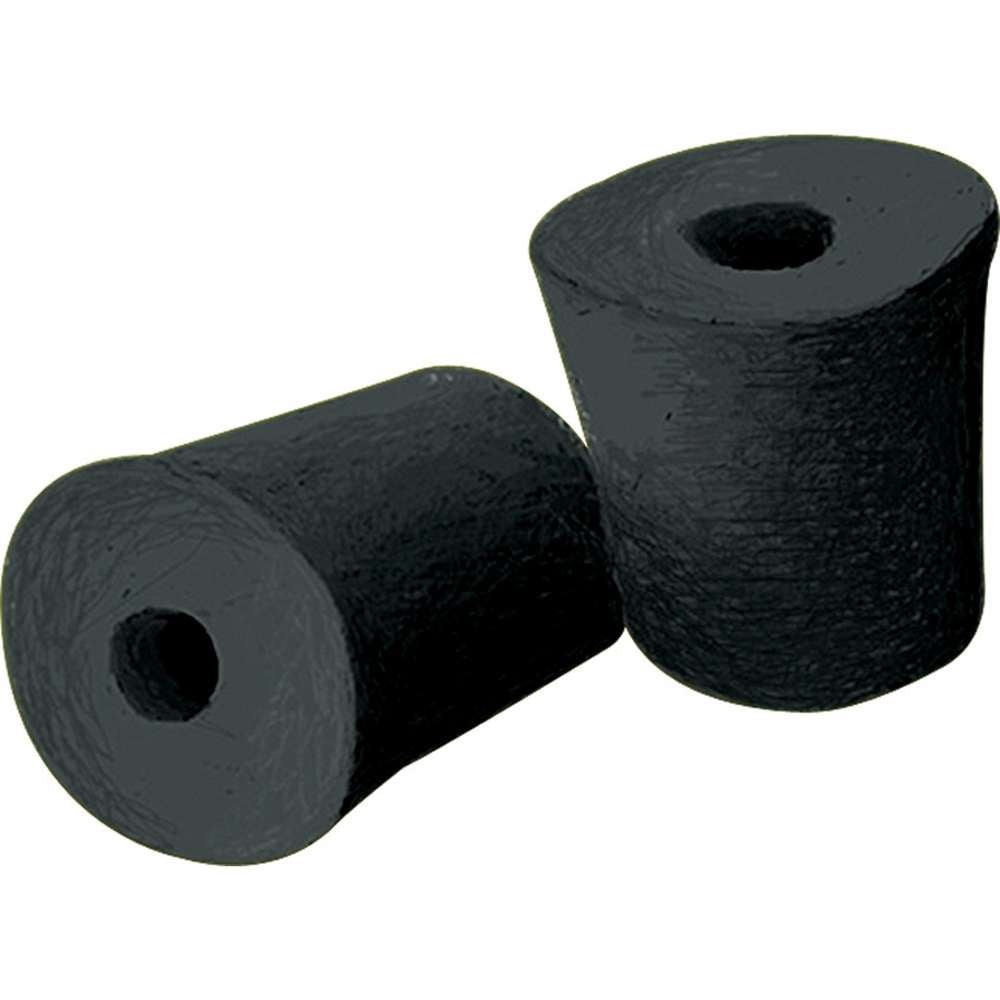
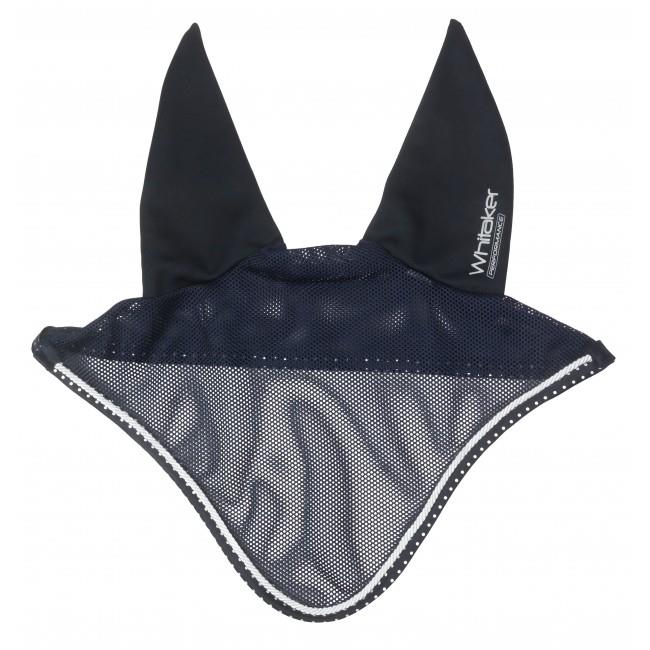
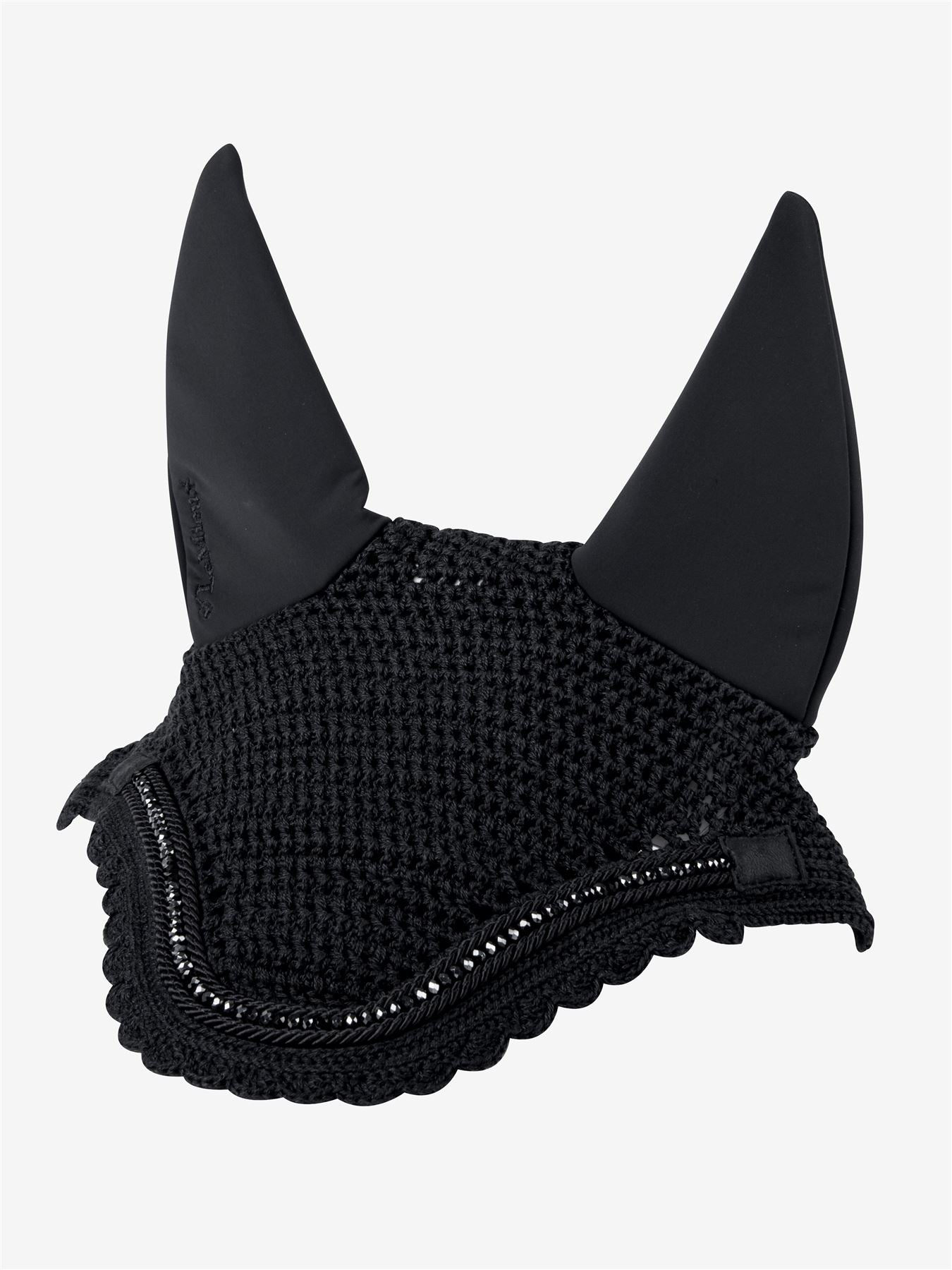
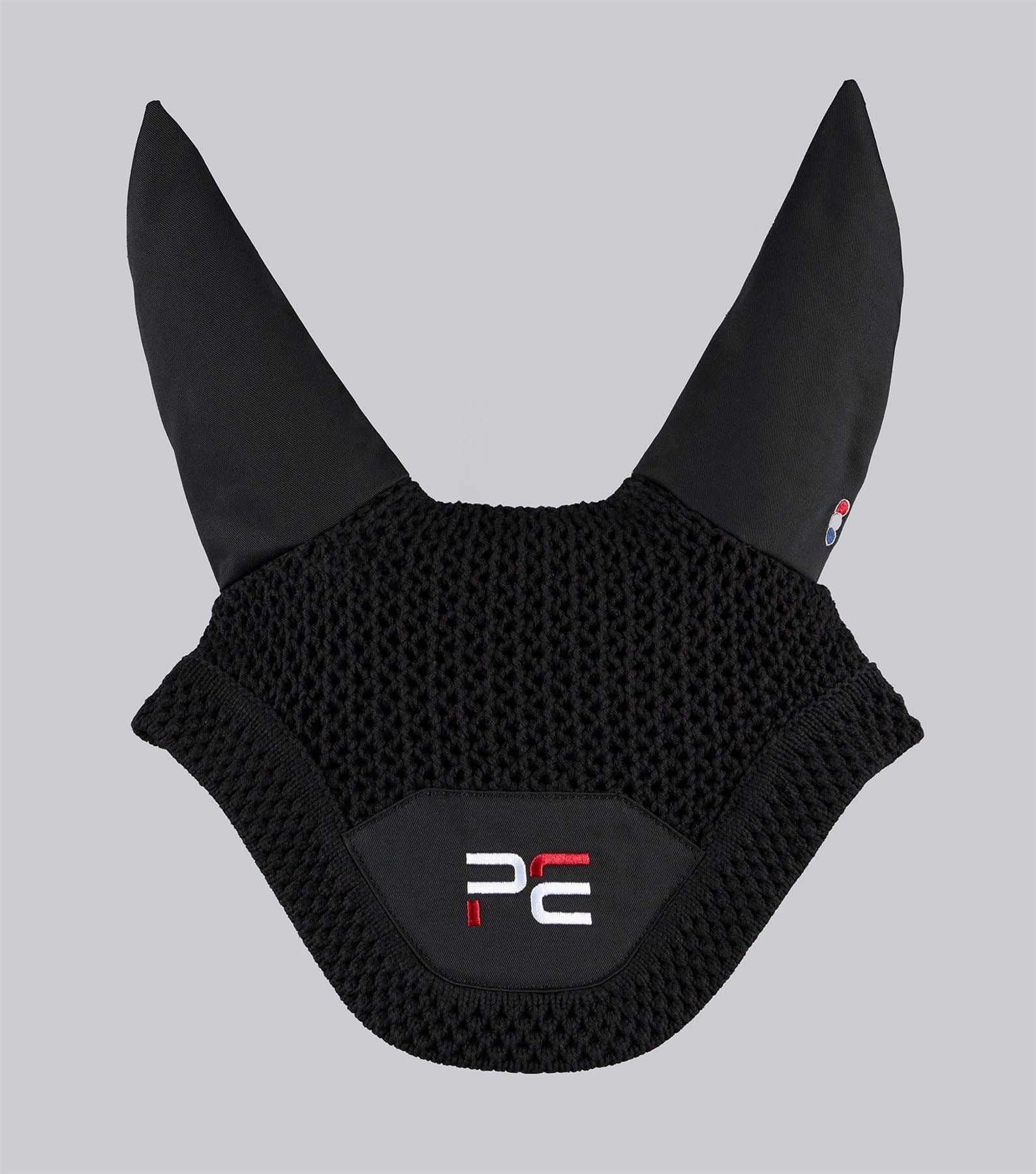
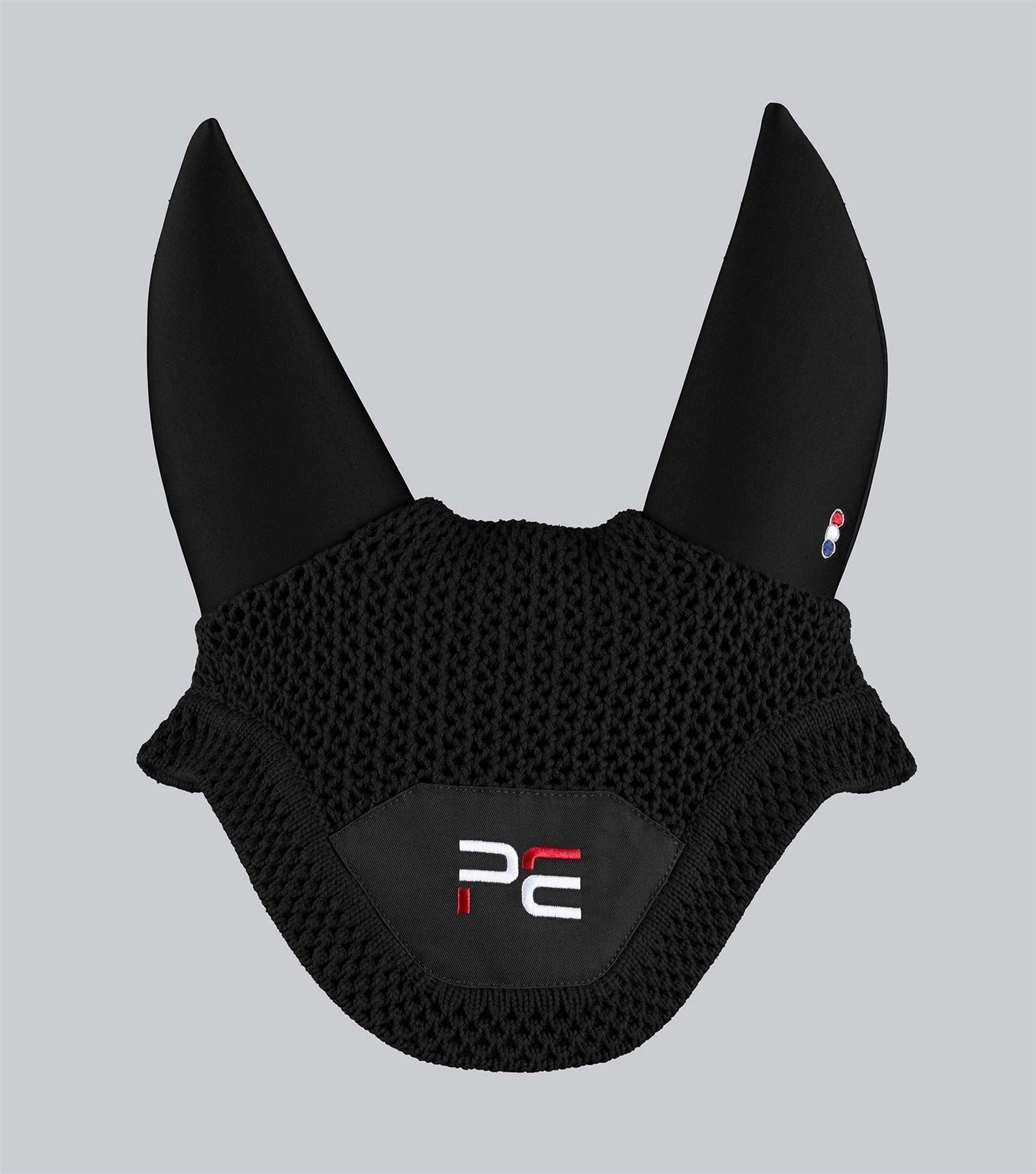
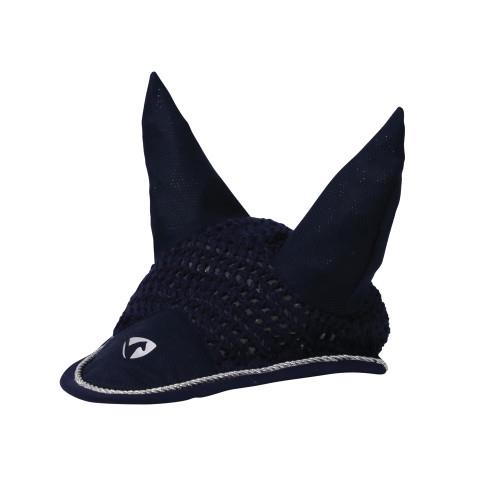
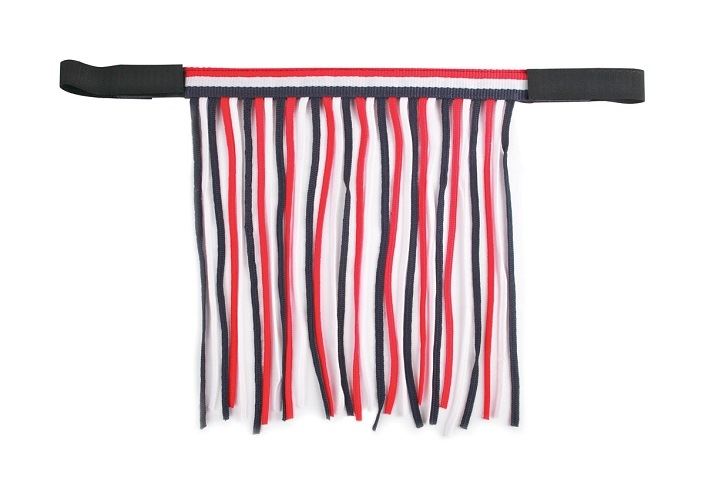
An ear net (also called a fly veil, ear bonnet or fly hood) is a crocheted or mesh headpiece that sits under the bridle to keep flies out of your horse's ears and take the edge off distracting noise. Most riders keep two: a light crochet veil for schooling and hacking, and a smarter or acoustic version for competition. This collection holds 118 ear nets across pony, cob and full sizes, starting at £4.54 for the Weatherbeeta Reflective Ear Bonnet and taking in padded, sound-dampening designs such as the LeMieux Diamante Acoustic Fly Hood at £44.95.
In a hurry?
- Cheapest way in: Weatherbeeta Reflective Ear Bonnet, £4.54, or the Rhinegold Fly Veil/Noise Muffler at £6.10.
- Best all-rounder for schooling: ARMA Calm Fly Hood, £17.10, in black, brown, navy or white.
- Noise-sensitive horse: Premier Equine Acoustic Ear Bonnet, £36.00, or LeMieux Acoustic Pro Fly Hood, £39.95.
- Competition smart: LeMieux Classic Fly Hood, £29.95, or Whitaker Fly Veil Thornton, £20.46.
- Seen on the road: Woof Wear Hi Viz Fly Veil, £24.99, or Firefoot Reflective Ear Bonnet, £6.39.
- Not sure on size? Get in touch and our team will help you match your horse.
Which type of ear net do you actually need?
| Type | Best for | What it does | Examples in stock |
|---|---|---|---|
| Crochet fly veil | Everyday schooling and hacking | Light, breathable, keeps flies off the ears; dries fast after a wash | Gallop Equestrian Classic Fly Veil £10.01; Shires Equi-Flector Fly Veil £9.00 |
| Acoustic / noise-dampening hood | Spooky or noise-sensitive horses, busy showgrounds | Padded ear pockets that help muffle sharp sounds | Premier Equine Acoustic Ear Bonnet £36.00; LeMieux Acoustic Pro Fly Hood £39.95; Woof Wear Noise Cancelling Fly Veil £27.49 |
| Show and competition bonnet | Dressage, showjumping, showing | Neat fit, smart trims and cords to finish a turnout | LeMieux Classic Fly Hood £29.95; John Whitaker Union Jack Satin Fly Veil £20.46; Rhinegold Sequin Fly Veil £13.71 |
| Hi-vis and reflective | Road work and low light | Reflective yarn or panels to help you be seen sooner | Woof Wear Hi Viz Fly Veil £24.99; John Whitaker San Francisco Reflective Fly Veil £19.53; Weatherbeeta Reflective Ear Bonnet £4.54 |
| Ear plugs | Extra sound control under any bonnet | Soft foam or fleece plugs used with a veil to hold them in place | Cashel Equine Ear Plugs £11.53; Supreme Products Fleece Earplugs £8.08 |
| Full fly mask with ears | Turnout in fly season | Covers eyes and ears rather than sitting under a bridle | Weatherbeeta Comfitec Deluxe Durable Mesh Mask With Ears from £7.31 |
What does an ear net actually do for your horse?
Two jobs, mostly. The first is fly control: midges and flies love the inside of a horse's ear, and a veil puts a physical barrier in the way so your horse isn't shaking his head every third stride. The second is sound. A close crochet weave takes a little of the sharpness off ambient noise, and a padded acoustic hood does considerably more of it — useful if your horse tenses at clipping machines, tannoys or a busy warm-up ring.
Do ear nets calm a nervous horse?
They can help, but they are not a fix on their own. Reducing noise removes one input from a horse that is already overloaded, which is why so many riders swear by an acoustic bonnet at shows. If your horse is genuinely anxious, or head-shakes persistently, treat that as a training and veterinary question first — speak to your vet before assuming kit will solve it.
What about headshaking?
Headshaking has several possible causes, some of them medical. A fly veil supports management by keeping insects away from the ears and face, and some riders find a nose net helps too, but it does not treat the underlying condition. Get your horse assessed by a vet before you go down the equipment route.
How should an ear net fit?
The browband cord should sit snugly along your bridle's browband without dragging it down, and the ear pockets should stand up around the ear without pinching the base or flopping over the eye. If the ears crush forward, the bonnet is too small; if the whole thing slides down the face, it is too big or the cord has stretched.
Which size do I choose?
Brands split sizing two ways. Some use Pony / Cob / Full — Rhinegold, Shires, Gallop, Hy Equestrian and Whitaker all work this way. Others use Small / Medium / Large / X-Large, including Woof Wear, LeMieux and Premier Equine. As a rough guide, Pony or Small suits natives and smaller ponies, Cob or Medium suits most cobs and lighter horses, and Full or Large suits a typical 16hh riding horse, with X-Large for warmbloods and bigger heads. If your horse is between sizes, get in touch and our team will help.
Can I use ear plugs with a fly veil?
Yes — that is the usual way to use them. Plugs like the Cashel Equine Ear Plugs (£11.53) or Supreme Products Fleece Earplugs (£8.08) sit inside the ear and the bonnet holds them in place so they cannot be shaken out mid-ride. Always check your discipline's rules before competing in them.
Are ear nets allowed in competition?
In most UK affiliated disciplines a plain, close-fitting ear bonnet is permitted, and dressage and showjumping riders use them routinely. Rules do vary between British Dressage, British Showjumping, British Eventing and individual showing societies, and they change — particularly around ear plugs, sound-dampening padding and heavy decoration. Always check the current rulebook for your class before the day.
How do you wash a fly veil?
Most crochet and mesh veils go in a wash bag on a cool gentle cycle, or a quick hand wash in mild detergent, then air dry away from direct heat. Avoid the tumble dryer — acrylic yarn shrinks and elastic cords lose their spring. Padded acoustic hoods are usually hand wash only, so check the label. Keeping a spare in the lorry means you are never stuck with a wet one before a class.
What do the brands do differently?
LeMieux is the go-to for a polished competition look, with the Classic Fly Hood at £29.95 and the Loire at £34.95. Premier Equine focuses on fit and sound control — the Sport Ear Bonnet is £30.00 and the Acoustic version £36.00. Woof Wear covers everyday and hi-vis, with the Vision Fly Veil at £21.99 and the Hi Viz at £24.99. Rhinegold, Weatherbeeta, Shires, Hy Equestrian and Gallop Equestrian handle the budget and everyday end, mostly between £4.54 and £13.71. Horseware's Rambo Protector Hood (£51.95) is the outlier: a full protective hood rather than a bridle bonnet.
Ear net FAQs
What is the difference between an ear net, a fly veil and an ear bonnet?
They are all the same item under different names. Ear net, fly veil, ear bonnet and fly hood all describe the crochet or mesh headpiece that sits under the bridle, covering the ears. UK riders tend to say fly veil for everyday use and ear bonnet for the smarter competition versions. A fly mask is different — that covers the eyes and face for turnout, not for riding.
Do ear nets really reduce noise for the horse?
A standard crochet veil takes a small amount of the sharpness off ambient sound. Purpose-built acoustic designs do noticeably more, because they use padded or lined ear pockets — examples in stock include the Premier Equine Acoustic Ear Bonnet at £36.00, the LeMieux Acoustic Pro Fly Hood at £39.95 and the Woof Wear Noise Cancelling Fly Veil at £27.49. They dampen sound rather than block it, and they help a distracted horse concentrate rather than change his behaviour outright.
How do I know if I need pony, cob or full size?
Match the bonnet to your bridle size. Pony (or Small) suits ponies and small natives, Cob (or Medium) suits cobs and lighter horses, Full (or Large) suits a typical 16hh riding horse, and X-Large suits warmbloods and larger heads. Brands split it differently — Rhinegold, Shires and Hy Equestrian use Pony/Cob/Full, while Woof Wear, LeMieux and Premier Equine use Small to X-Large. If you are between sizes, get in touch and our team will help.
Can I wear an ear net in a dressage or showjumping competition?
Plain, well-fitting ear bonnets are widely permitted in UK affiliated dressage and showjumping, which is why so many riders compete in them. The detail varies by governing body and can change season to season, especially around ear plugs, padding and decorative trims. Check the current rulebook for your specific class and level before you compete.
How much should I spend on an ear net?
Everyday crochet veils in this collection start at £4.54 for the Weatherbeeta Reflective Ear Bonnet, with the Rhinegold Fly Veil/Noise Muffler at £6.10 and the Gallop Equestrian Classic Fly Veil at £10.01. Mid-range competition bonnets sit around £20 to £30 — the Whitaker Fly Veil Thornton is £20.46 and the LeMieux Classic Fly Hood £29.95. Acoustic and premium options include the Premier Equine Acoustic Ear Bonnet at £36.00, the LeMieux Acoustic Pro Fly Hood at £39.95, the LeMieux Diamante Acoustic Fly Hood at £44.95 and the Coldstream Lowick Crystal Soundproof Fly Veil at £46.38. Most riders do well with one cheap spare and one good one.
Will an ear net stop my horse headshaking?
It may help with the fly-driven kind, because it keeps insects out of the ears, but it is not a treatment. Headshaking can have medical causes including nerve pain and allergies, so have your horse examined by a vet before assuming a piece of kit will resolve it. Use a veil as part of a management plan your vet is happy with, not instead of one.
Free UK delivery over £50 · 90-day returns · Expert help
Last reviewed 2026-07-26 by the Just Horse Riders team.