
Nosebands
Fitted right, kind by design.
Cavesson, flash, drop, grackle and lunge cavessons — with two-fingers-of-room fitting guidance throughout.
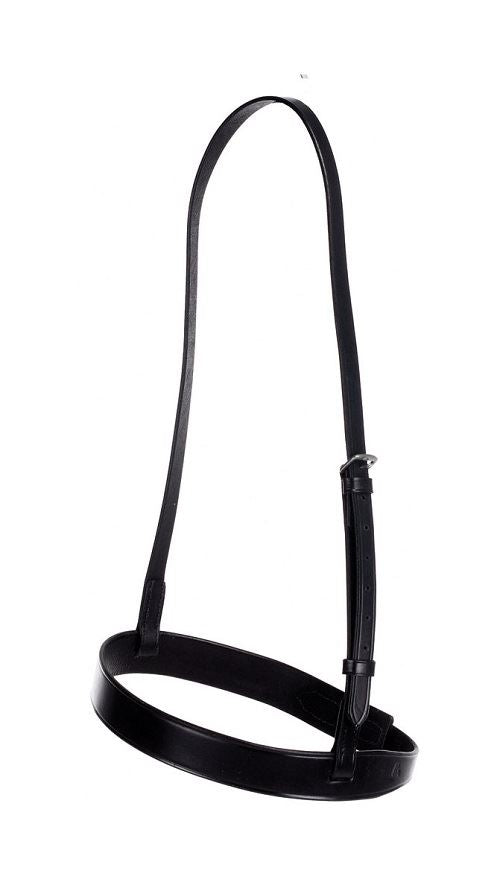
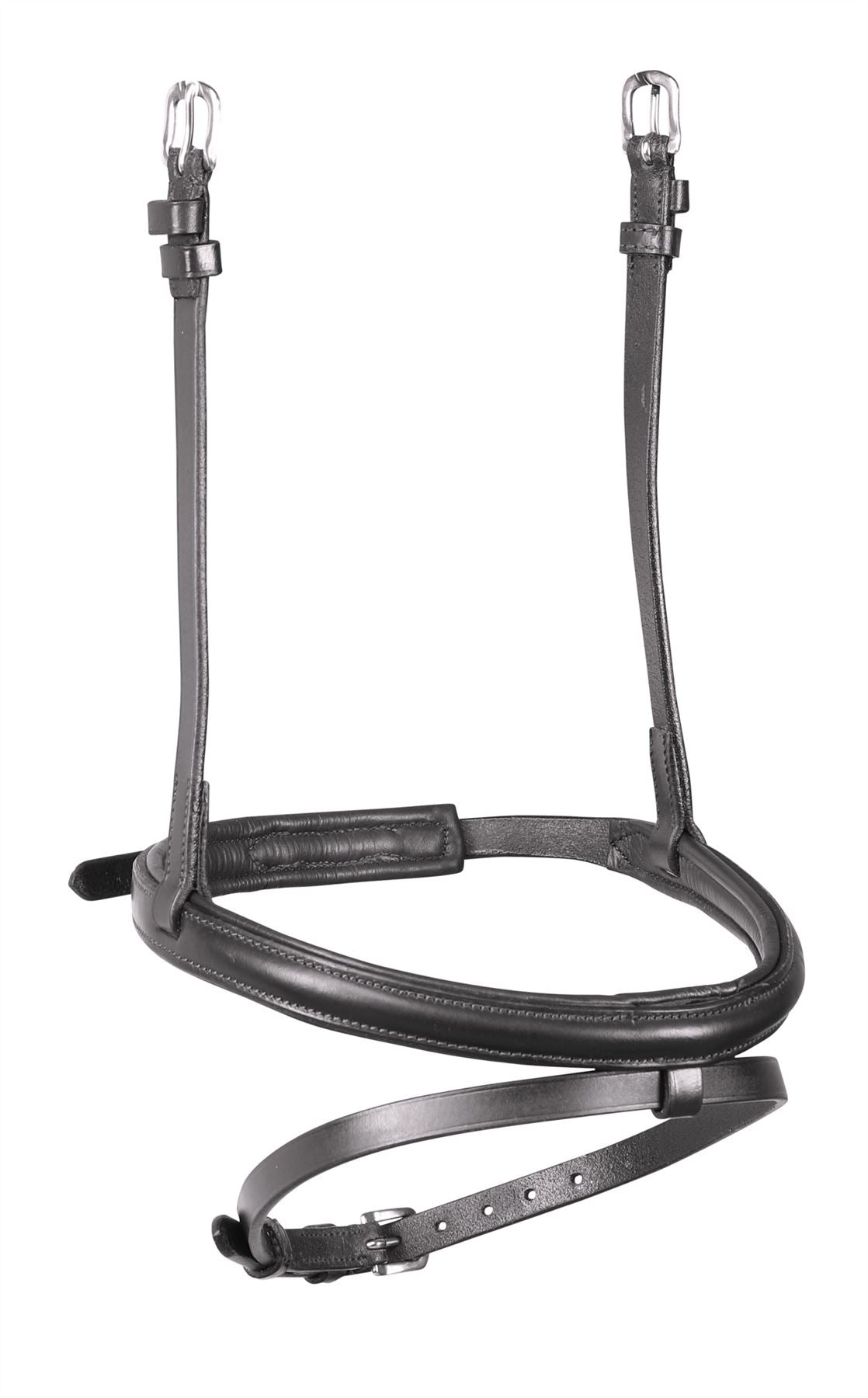
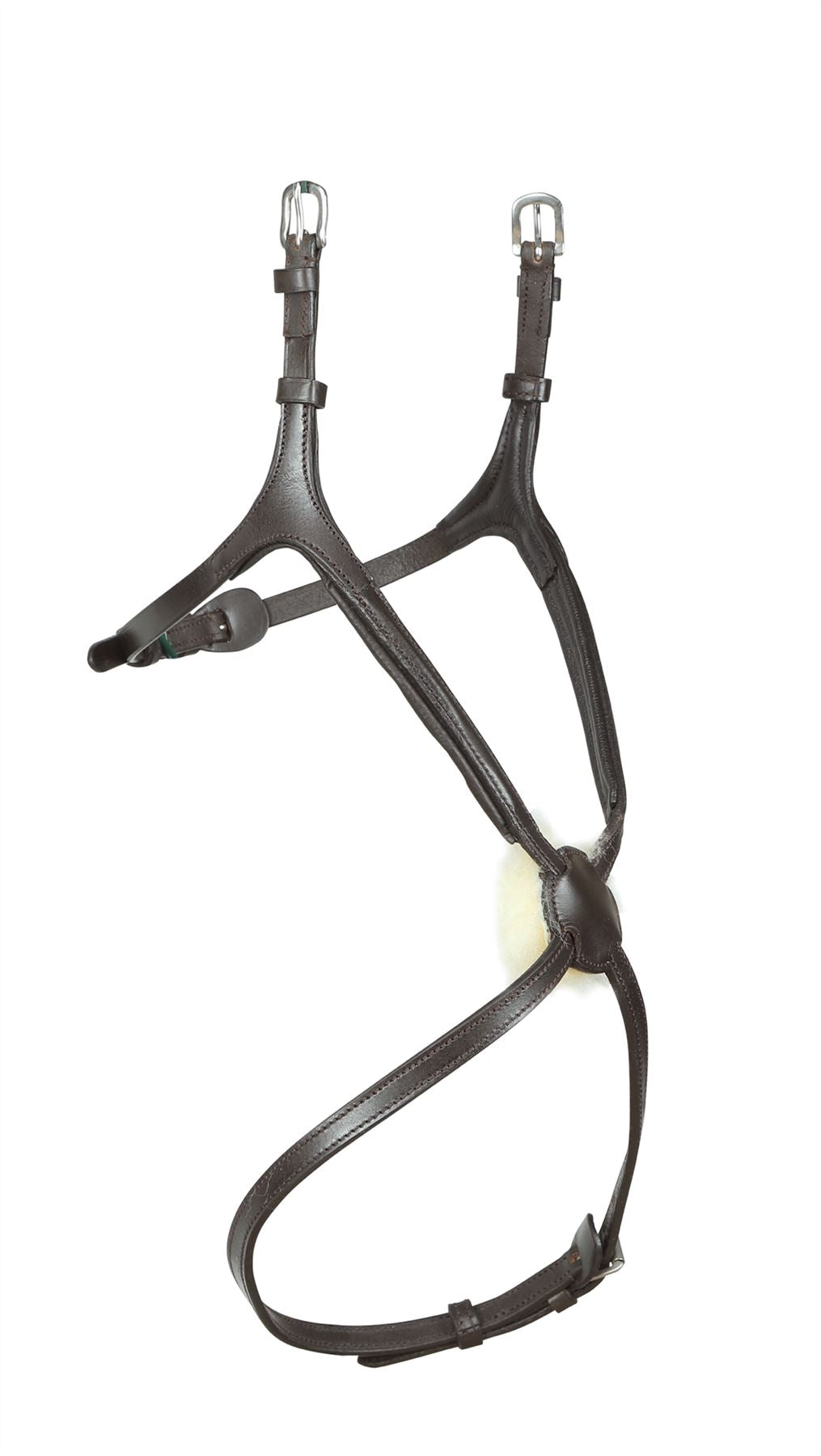
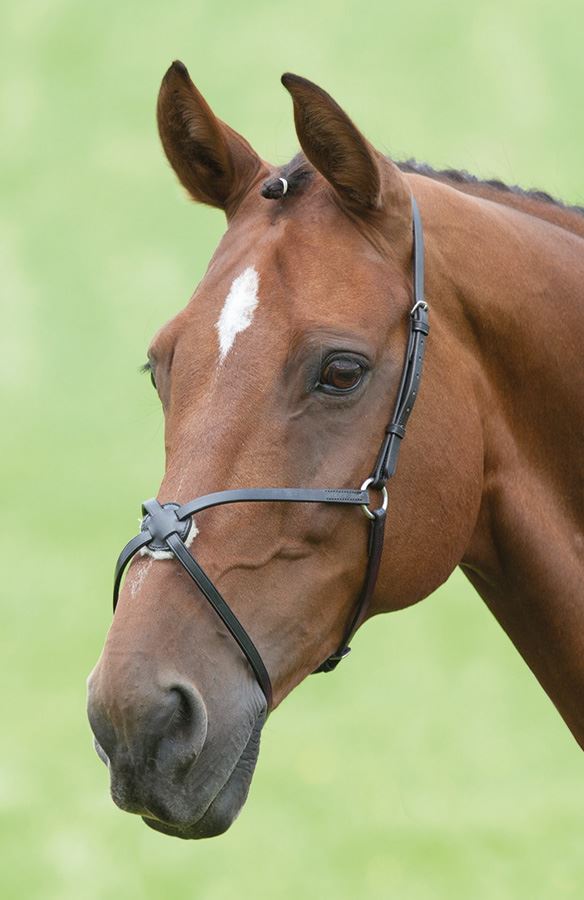
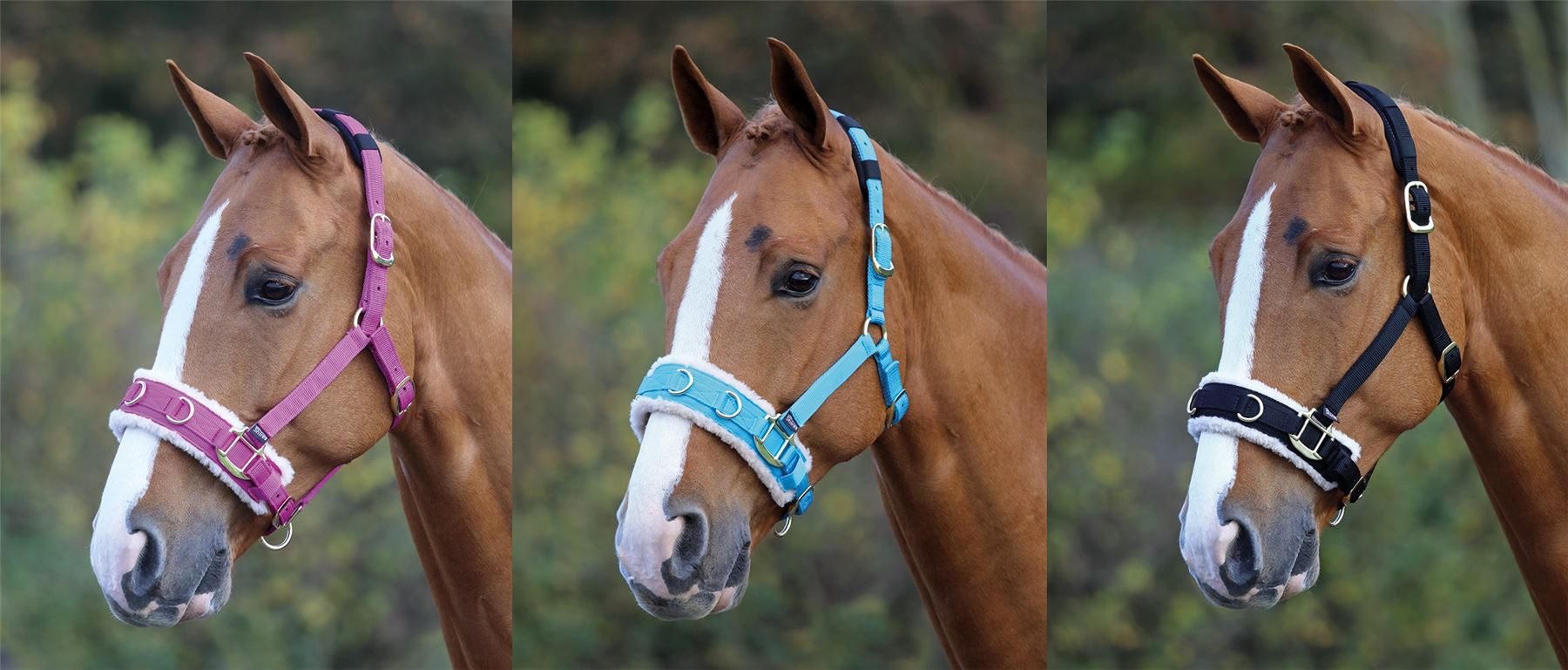
Horse & Pony Nosebands
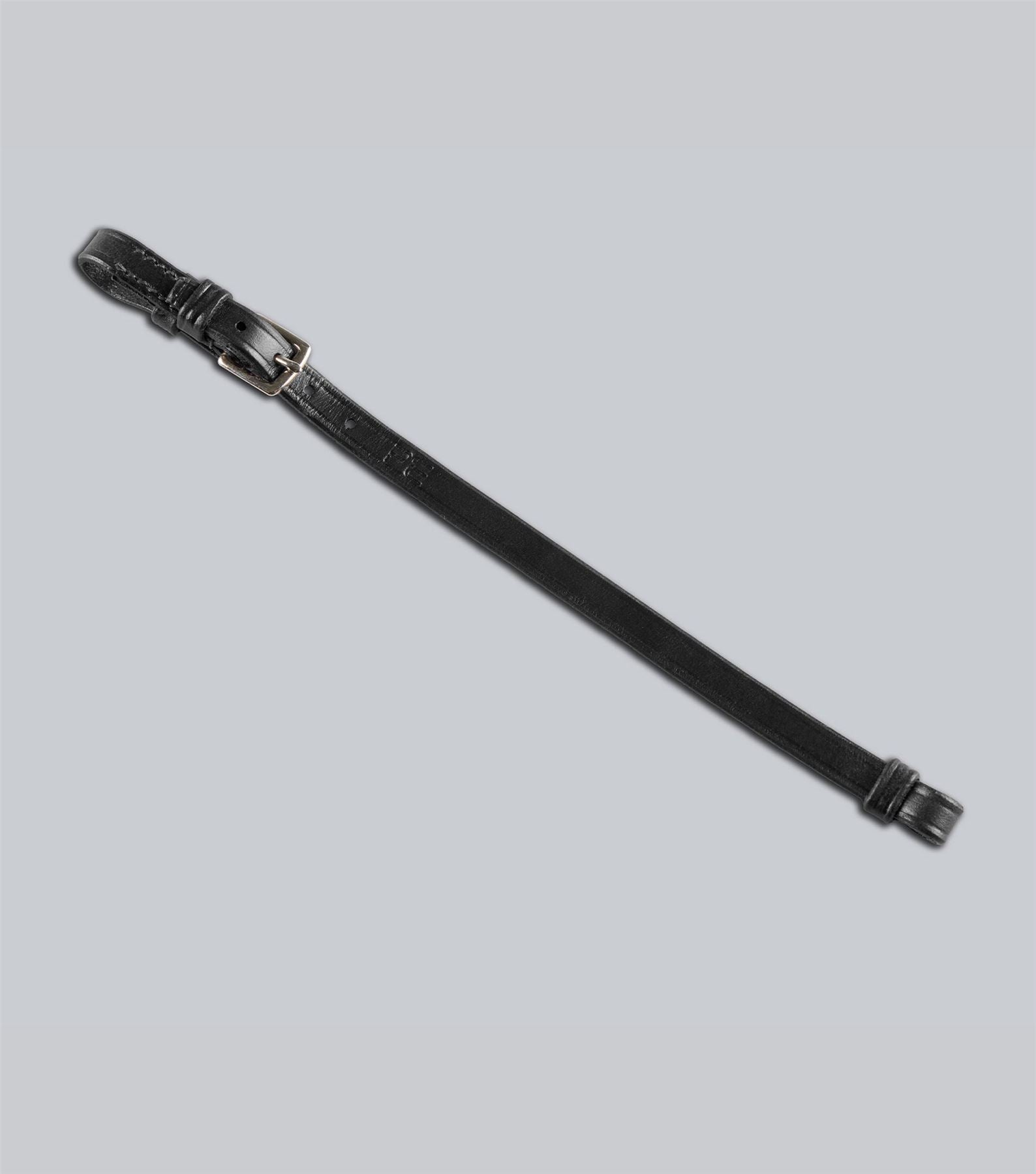
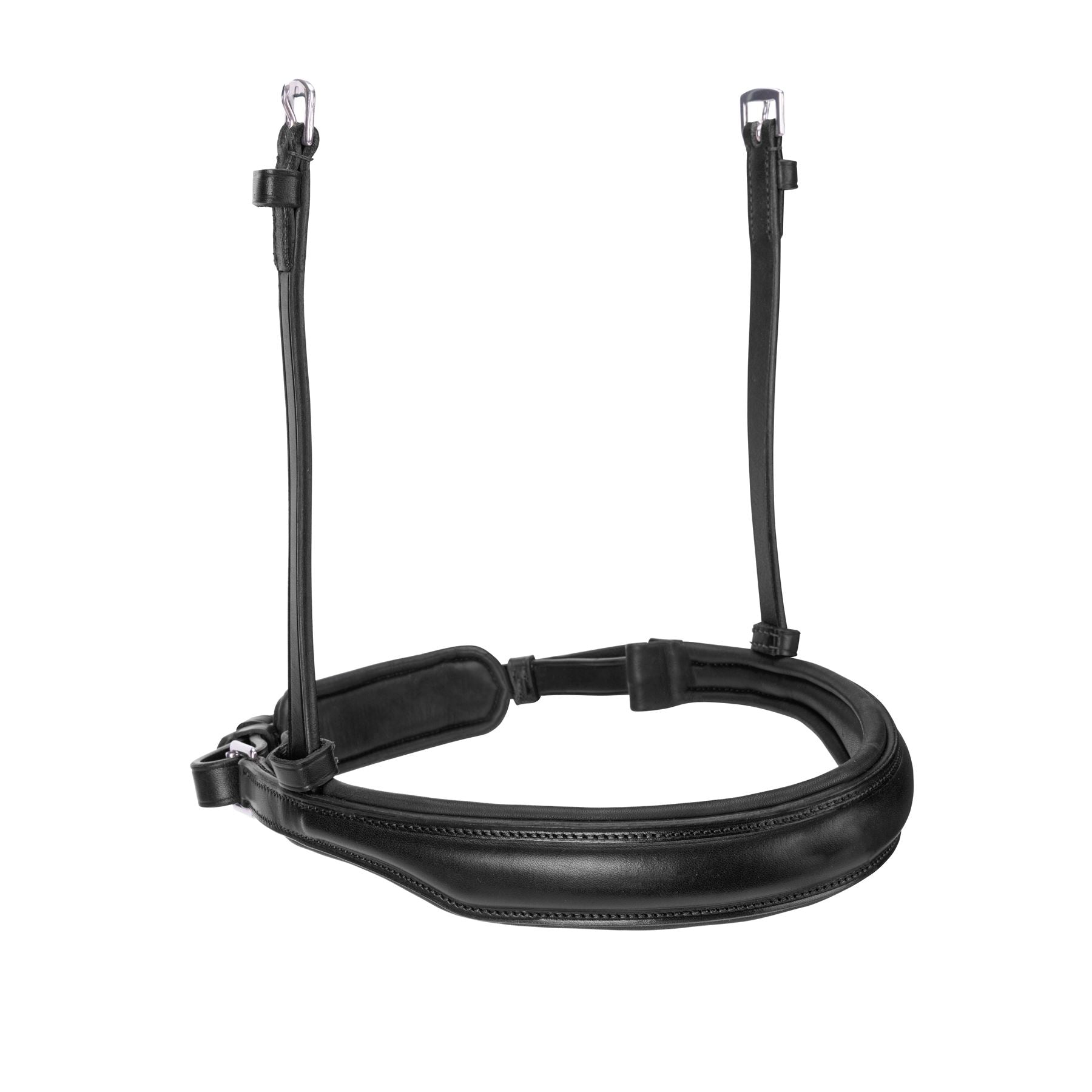
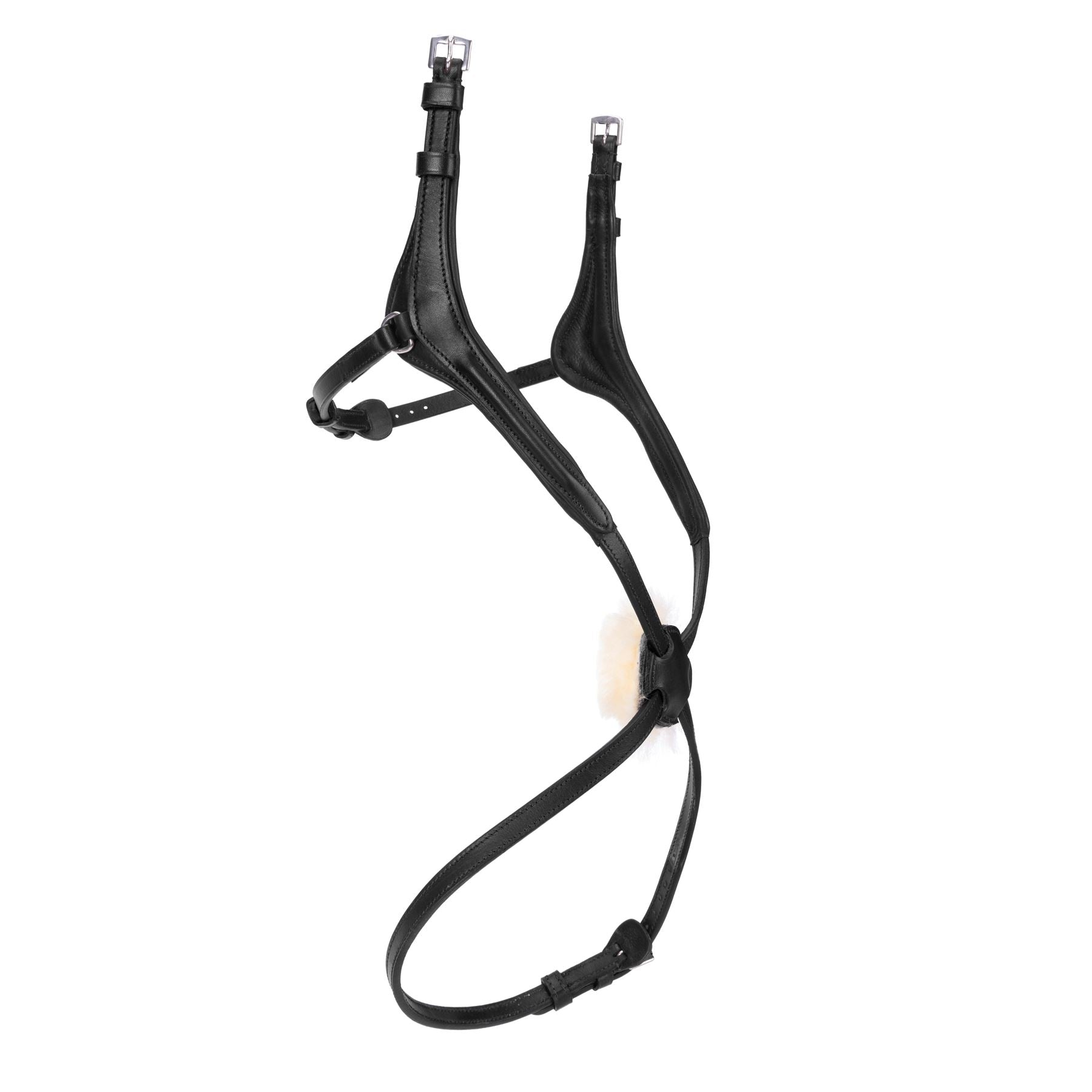
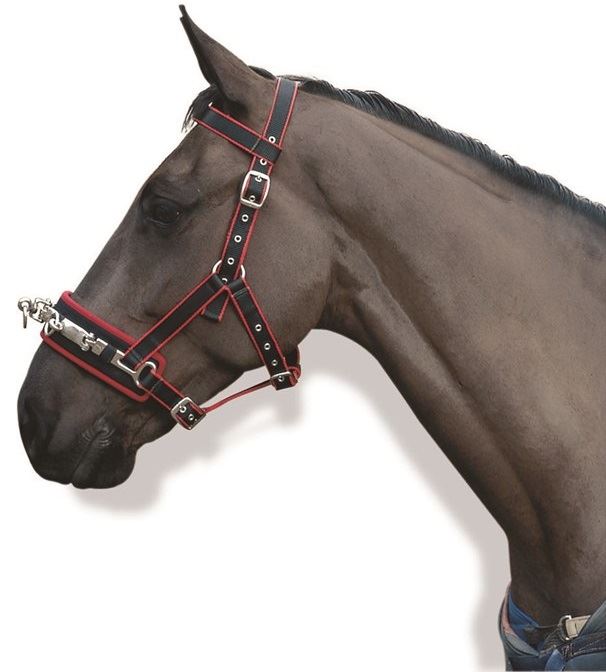
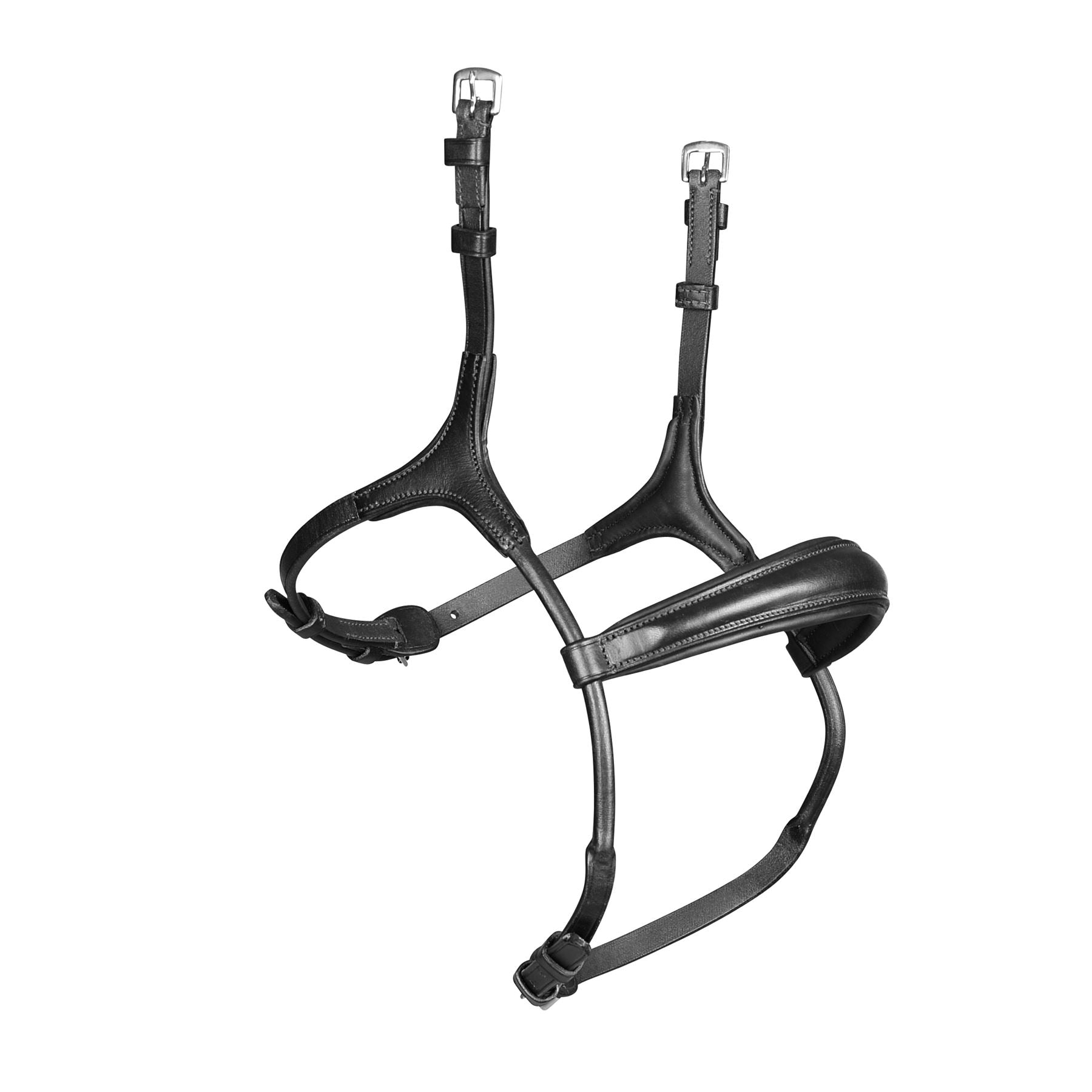
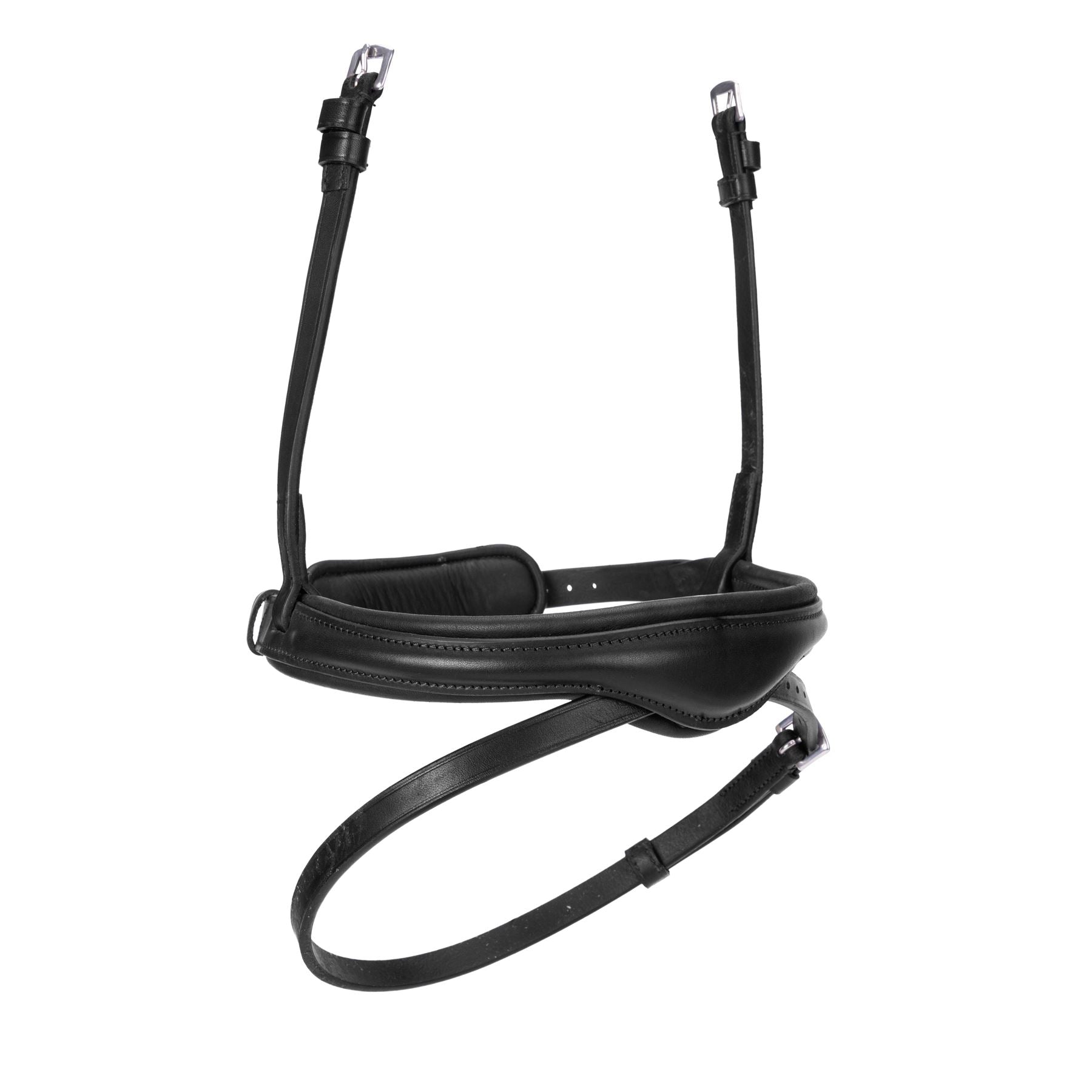


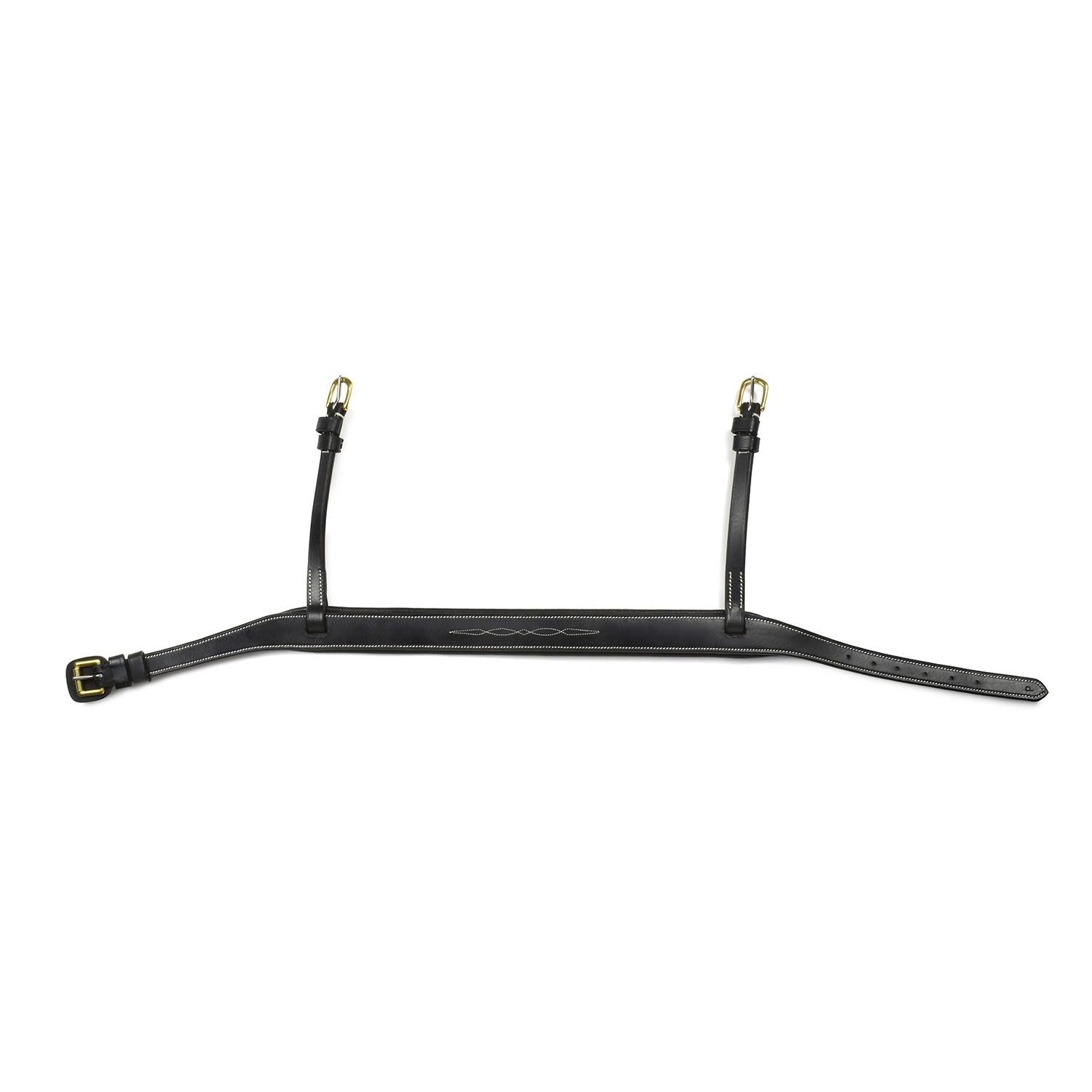
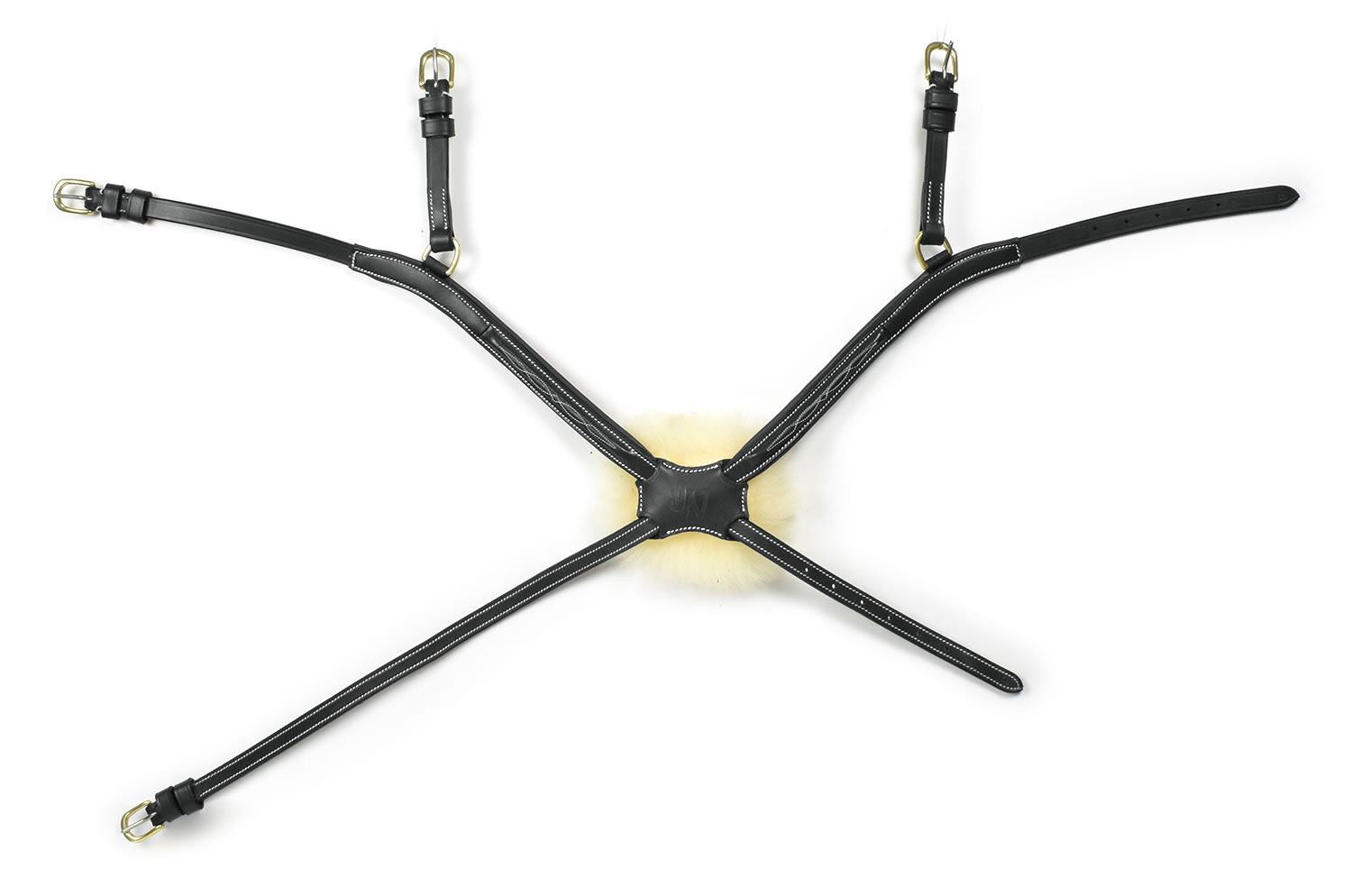
The noseband finishes the bridle — and the right one depends on what your horse does with his mouth and jaw. The main types are the cavesson (the standard, and the show-ring staple), the flash (a cavesson with a lower strap to gently discourage mouth-opening), the drop (sits lower, acting on the nose), the grackle / Mexican (crossed straps for horses that cross their jaw), and the lunge cavesson for groundwork. Just Horse Riders stocks them from brands including Shires, Collegiate and Hy, from around £9.
Free UK delivery over £50 · Fast next-day delivery available · 90-day returns · Family-run UK retailer since 2010.
Noseband advice from the Just Horse Riders team — last reviewed June 2026.
Which noseband does what?
| Type | What it does |
|---|---|
| Cavesson | The standard — smart, simple, show-legal everywhere |
| Flash | Adds a lower strap to gently discourage opening the mouth |
| Drop | Sits lower on the nose; discourages jaw-crossing and opening |
| Grackle / Mexican | Crossed straps spread pressure; suits strong horses that cross the jaw |
| Lunge cavesson | Padded groundwork noseband with rings for the lunge line |
How tight should a noseband be?
Looser than most people think: at least two fingers stacked under the noseband at the nasal bone, so your horse can flex his jaw and breathe freely. Over-tightening causes rubs and tension and is increasingly penalised under competition tack rules — snug and stable is the aim, never clamped shut.
Fitting heights
A cavesson sits about two fingers below the cheekbone. A drop sits lower but must never restrict the nostrils — if in doubt, ask an instructor to check. Flash straps fasten in front of the bit, snug but not tight; grackle pads sit centred on the nose.
Noseband favourites
- Everyday cavesson: Hy Plain Noseband (from £8.64).
- Best flash: Shires Velociti Padded Raised Flash (from £19.80).
- Best grackle: Shires Velociti Grackle (from £27.00).
- Mexican style: Shires Blenheim Mexican Noseband (from £17.10).
- For groundwork: Shires Fleece-Lined Lunge Cavesson (from £12.61).
Frequently asked questions
Which noseband should my horse wear?
Start with a plain cavesson — it suits most horses and is accepted in every ring. Only move to a flash, drop or grackle if there's a specific, persistent habit (mouth opening, jaw crossing), and rule out teeth and bit fit first.
How tight should a noseband be?
You should fit at least two stacked fingers underneath it at the nasal bone. A horse must be able to flex his jaw and breathe freely — over-tightened nosebands cause discomfort and are increasingly checked at competitions.
What is the difference between a flash and a drop noseband?
A flash is a cavesson with an added lower strap; a drop is a single band that sits lower on the nose. Both gently discourage the mouth opening — the flash keeps the classic cavesson look and lets you attach a standing martingale to the cavesson part.
What is a grackle noseband for?
The crossed straps of a grackle (figure-eight) spread pressure and discourage a horse from crossing his jaw — popular for strong horses jumping or going cross-country. Fit the centre pad on the nose and keep the straps kindly snug.
Not sure which noseband? Tap the WhatsApp button at the bottom of the screen and one of the team will help.