
Horse Bits
Clearer signals. Happier horse.
Snaffles, eggbutts, loose rings and more — with a plain-English guide to mouthpieces, cheekpieces and sizing.
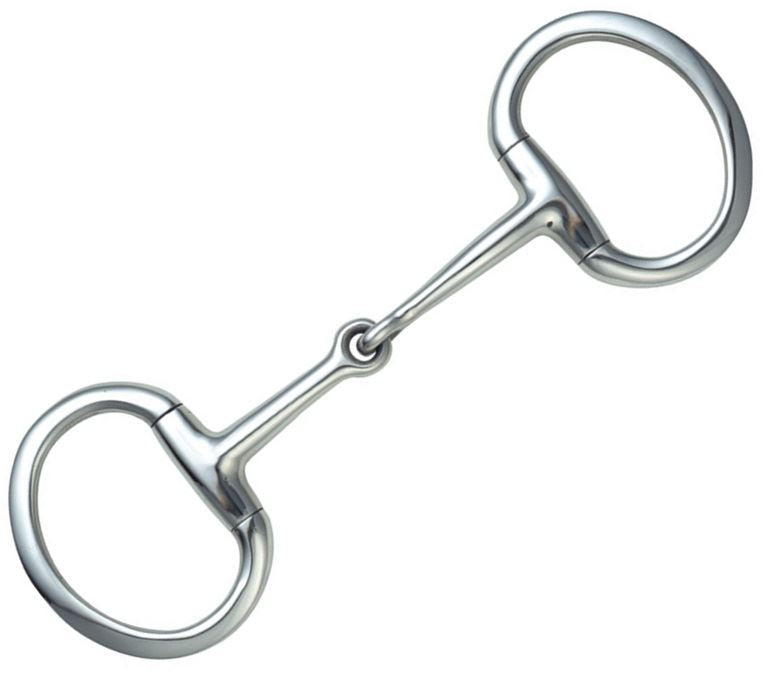
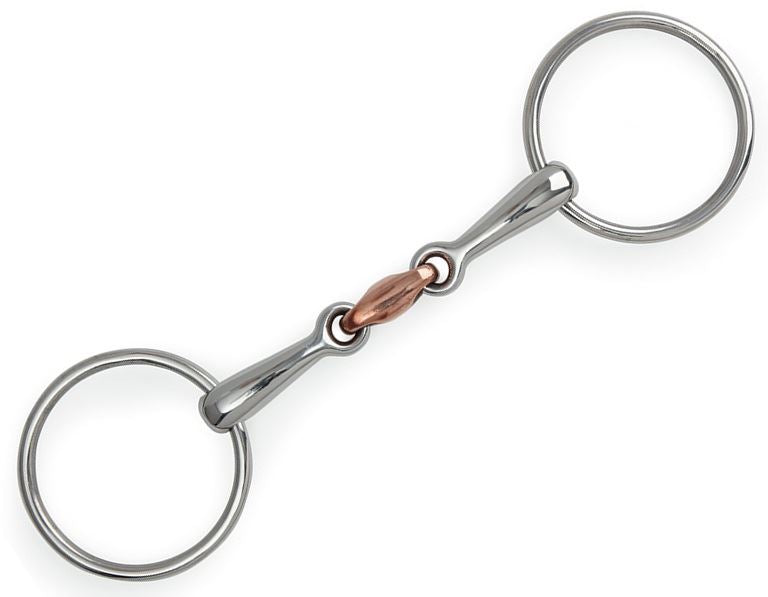
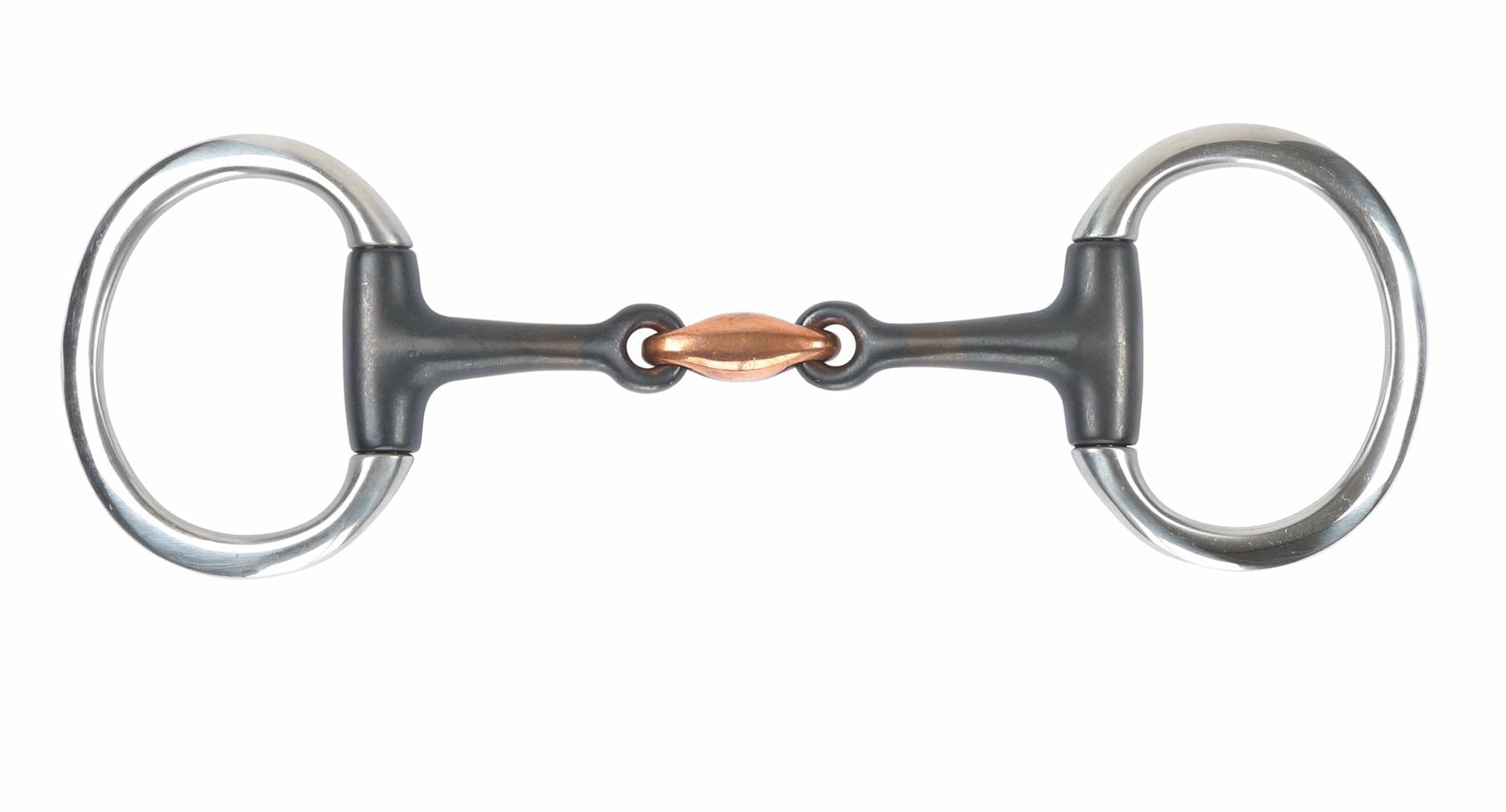
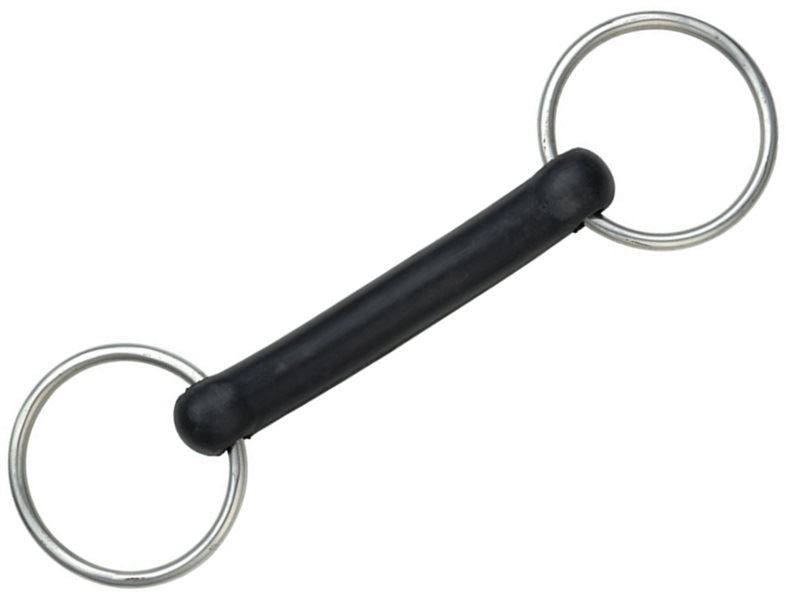
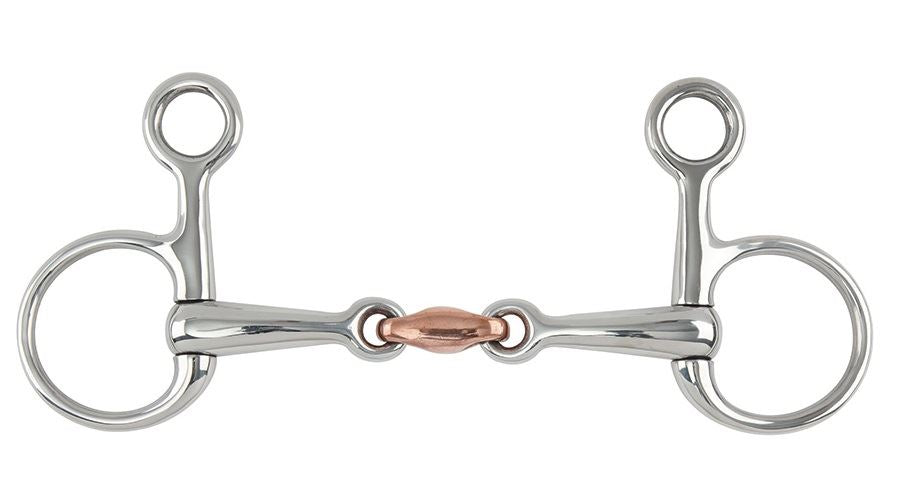
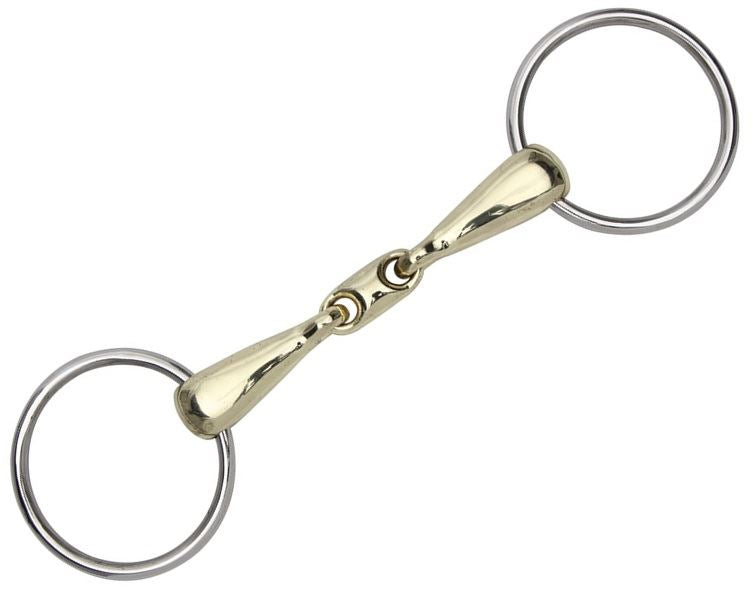
A bit sits in your horse's mouth and turns your rein aids into clear signals. Most horses go happily in some form of snaffle — the variety comes from the cheekpiece (loose ring, eggbutt, D-ring, full cheek, hanging cheek) and the mouthpiece (single joint, lozenge, mullen, rubber or sweet iron). Just Horse Riders stocks over 600 bits, mainly from Shires' well-priced range, from around £9.
Free UK delivery over £50 · Fast next-day delivery available · 90-day returns · Family-run UK retailer since 2010.
Bitting advice from the Just Horse Riders team — last reviewed June 2026.
Which cheekpiece?
| Cheek | What it does |
|---|---|
| Loose ring | Moves freely — discourages leaning and fixing |
| Eggbutt | Fixed and steady — a quiet, consistent contact |
| D-ring / Full cheek | Helps with steering — good for young or green horses |
| Hanging cheek | Sits quietly off the lips; suits sensitive mouths |
| Gag / leverage cheeks | Stronger brakes for fit horses — use with experienced hands |
Which mouthpiece?
| Mouthpiece | Best for |
|---|---|
| Lozenge (double joint) | Most horses — spreads pressure evenly, no nutcracker action |
| Single joint | The classic snaffle feel; some horses prefer it |
| Mullen / straight bar | Very soft — horses that dislike movement in the mouth |
| Rubber / flexible | Gentle introduction and sensitive mouths |
| Sweet iron / copper | Encourages salivation and a softer mouth |
What size bit does my horse need?
Measure your current bit's mouthpiece between the rings — bits are sized in inches (typically 4.5" pony to 6" heavy horse) in quarter-inch steps. Fitted, the bit should sit snugly with about a quarter of an inch showing each side, creating one soft wrinkle at the corners of the mouth. Too big slides about; too small pinches.
My horse is strong — do I need a stronger bit?
Not always. Rule out teeth, bit fit and saddle comfort first, and remember schooling solves more than metal. If you do need more control (for example jumping or hunting a fit horse), step up gradually and ask a qualified instructor or bit fitter — the right bit is the mildest one your horse listens to. Competing? Check your discipline's permitted-bits rules.
Popular bits
- Everyday eggbutt: Shires Flat Ring Jointed Eggbutt (from £12.11).
- Best all-rounder: Shires Loose Ring Copper Lozenge Snaffle (from £18.90).
- Steady + soft: Shires Sweet Iron Lozenge Eggbutt (from £30.60).
- Gentle starter: Shires Flexible Rubber Mouth Snaffle (from £12.60).
- Sensitive mouths: Shires Hanging Cheek Lozenge Snaffle (from £23.40).
Complete the bridle with reins and see the full saddlery & tack range.
Frequently asked questions
What is the kindest bit for a horse?
For most horses, a double-jointed (lozenge) snaffle with an eggbutt or loose ring cheek is considered a kind everyday choice, because it spreads pressure evenly and avoids the nutcracker action of a single joint. The kindest bit is ultimately the mildest one your horse goes happily in — fit matters as much as design.
How do I measure a horse bit?
Measure the mouthpiece from ring to ring in inches — most horses take between 4.5" and 6". Fitted correctly, about a quarter inch shows each side of the mouth and the bit makes one soft wrinkle at the corners of the lips.
What is the difference between an eggbutt and a loose ring snaffle?
An eggbutt's rings are fixed, giving a steady, quiet contact that suits novice horses and riders. A loose ring's rings rotate freely, keeping the bit mobile in the mouth — which discourages a horse from leaning or fixing against the rider's hand.
Why does my horse resist the bit?
Common causes are dental issues, a poorly fitting or wrongly sized bit, or discomfort elsewhere (saddle, back). Have the teeth checked first, confirm the size and height are right, then experiment with mouthpiece style — and ask a qualified instructor or bit fitter if resistance continues.
Not sure which bit? Tap the WhatsApp button at the bottom of the screen and one of the team will talk it through.