
Clipping & Trimming
Clean lines, calm horse.
Clippers, trimmers, blades and aftercare - everything for a smooth, stress-free clip.
Clipping & Trimming
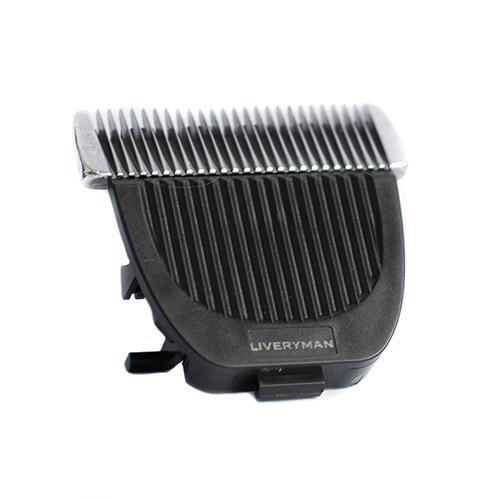
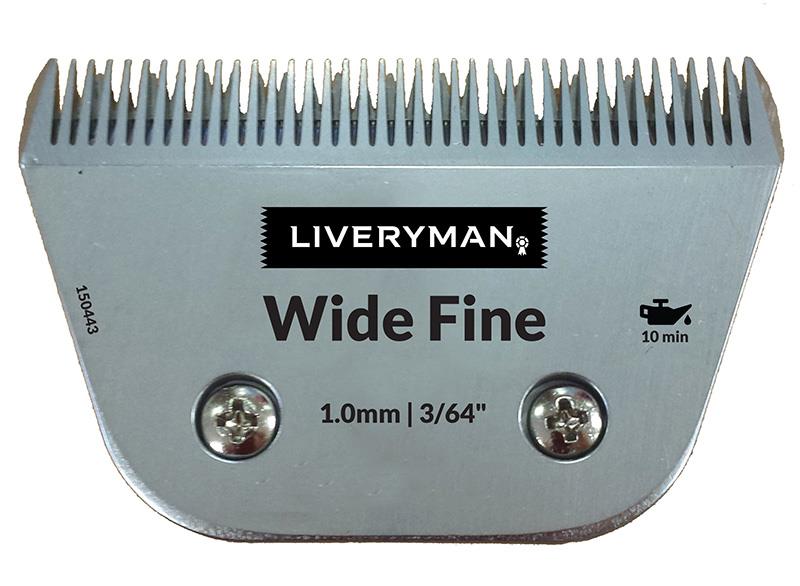
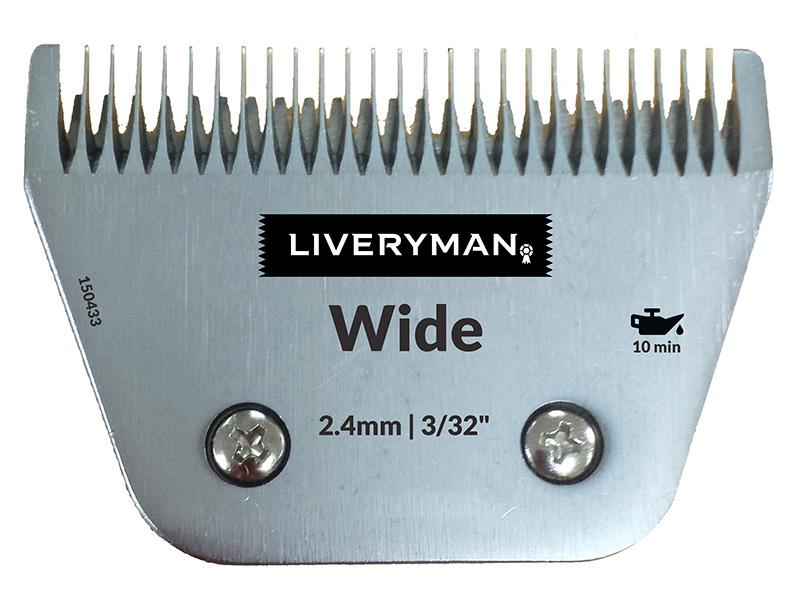

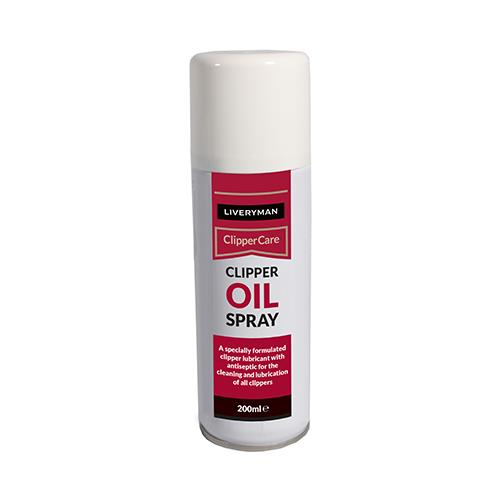
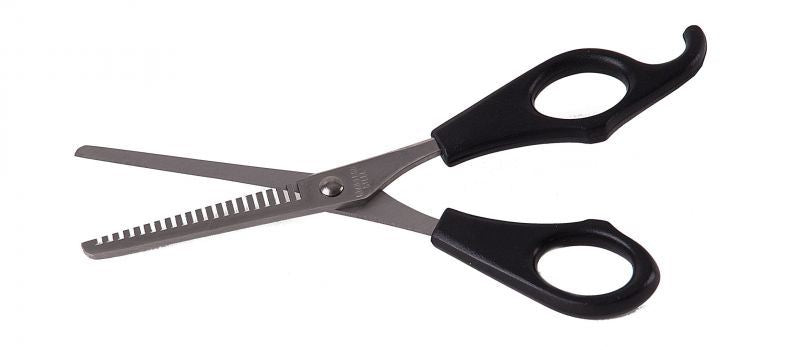

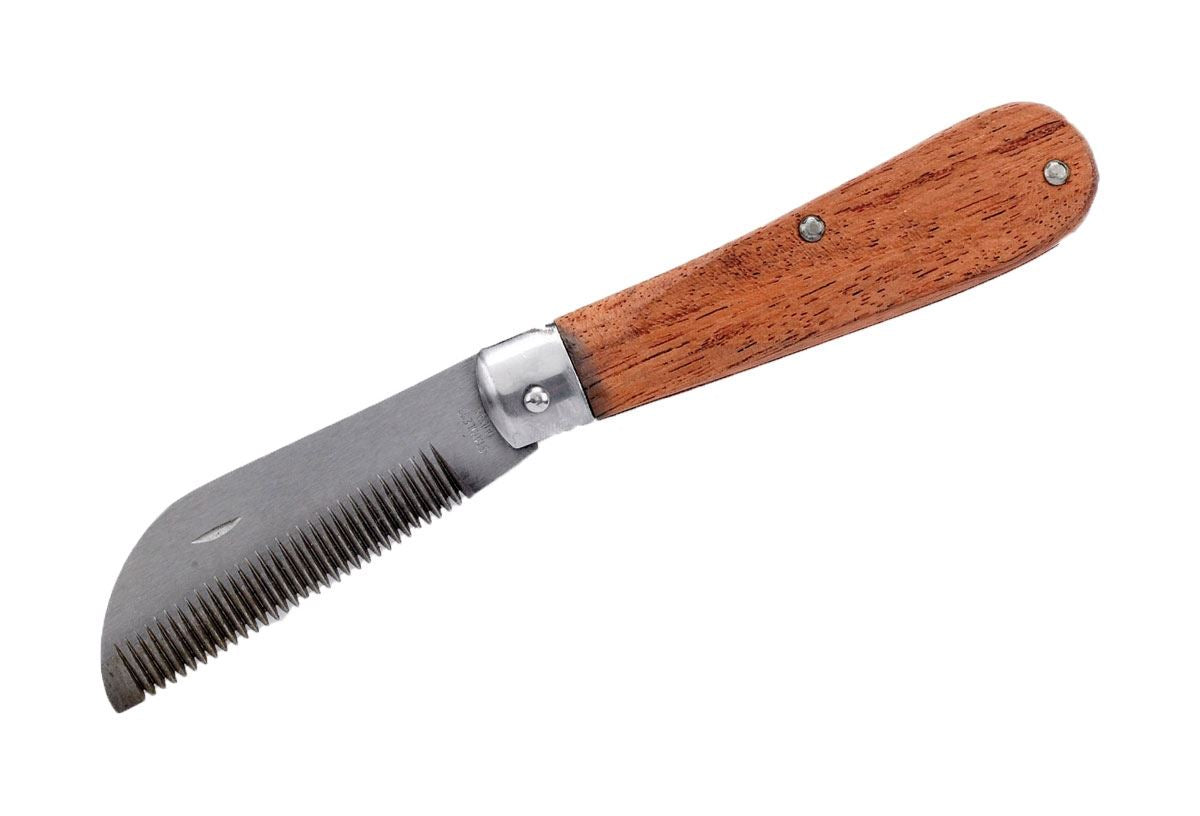
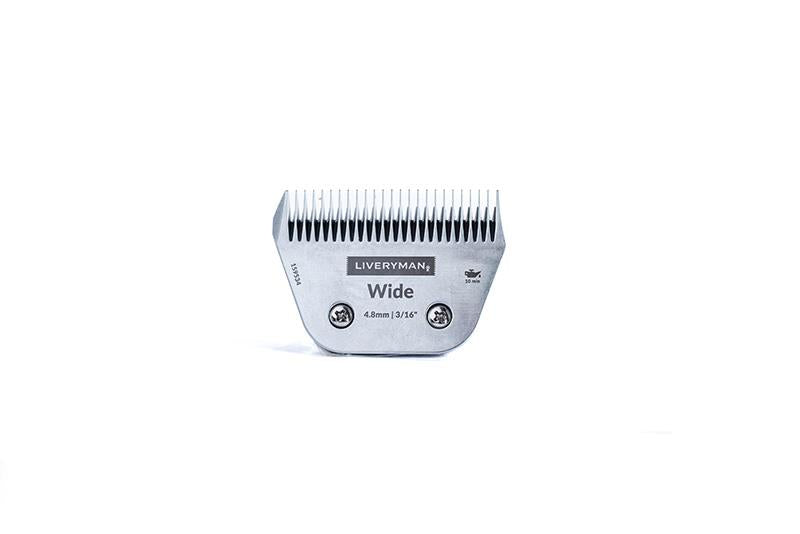
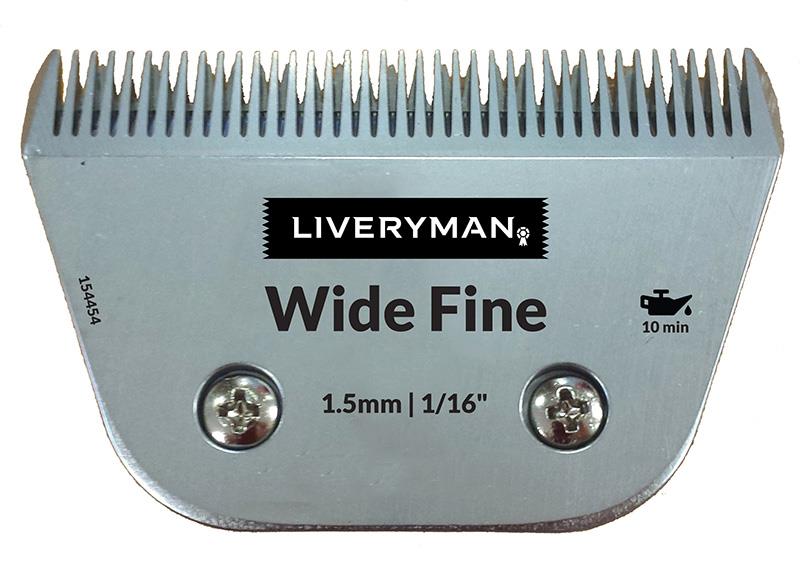
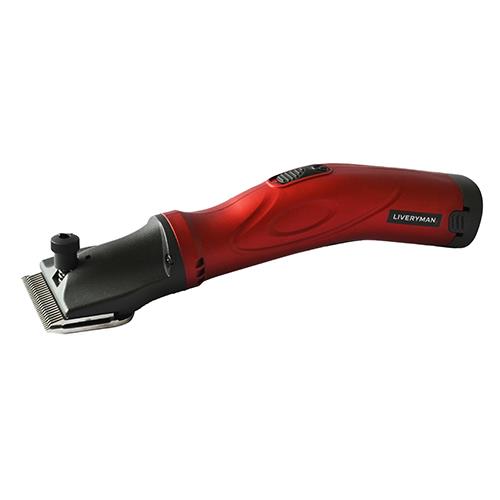
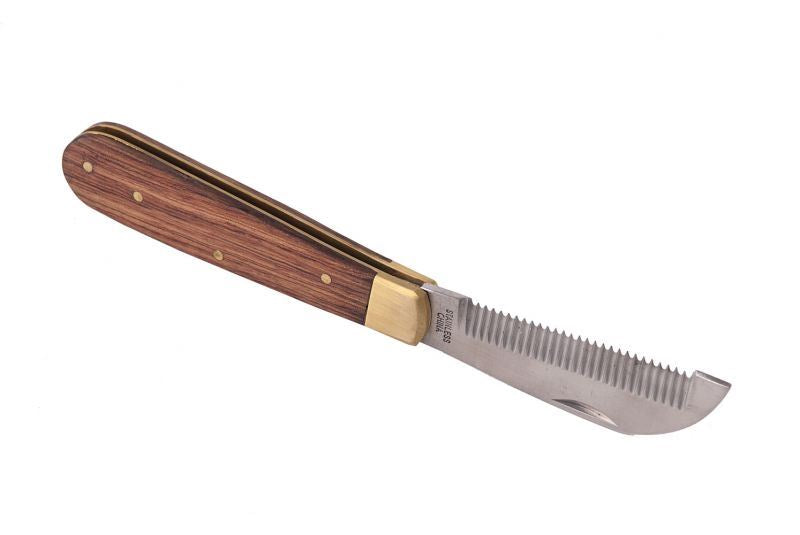

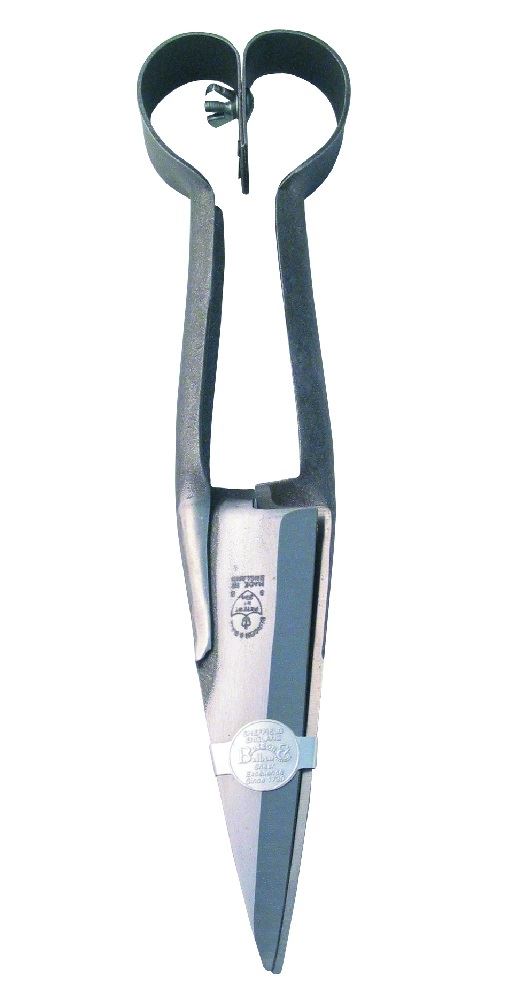
A horse in regular winter work sweats under a heavy coat and takes a long time to dry off. Clipping removes some or all of that coat so your horse dries faster and is easier to keep clean — and the right kit makes the job far less of a battle. The main things to decide are body clipper or trimmer (big areas versus faces and legs), cordless or mains power, and which blade size suits the finish you want. Just Horse Riders stocks clippers, trimmers, blades, clipper oil and clipping accessories from brands including Liveryman, Wahl and Lister, from around £1.
Free UK delivery over £50 · Fast next-day delivery available · 90-day returns · Family-run UK retailer since 2010.
Clipping and trimming advice from the Just Horse Riders team — last reviewed July 2026.
Choosing clippers and trimmers
| Choice | What it means |
|---|---|
| Body clipper | The workhorse for full, blanket and trace clips — more power and wider blades to cover the neck and body quickly. |
| Trimmer | Smaller, quieter and lighter — for faces, ears, legs, bridle paths and tidying between full clips. Often the kindest introduction for a nervous horse. |
| Cordless (battery) | No cable to manage around legs and no socket needed at the yard — check the run time covers a whole clip, or pick a model with a spare battery. |
| Mains (corded) | Constant power for long sessions and thick coats — you will need a safe socket and a suitable extension lead. |
| Blade size | A medium blade (around 2.5 mm) gives the usual body-clip finish; finer blades cut closer for the show ring, coarser blades leave more coat for turnout. |
Look after your blades
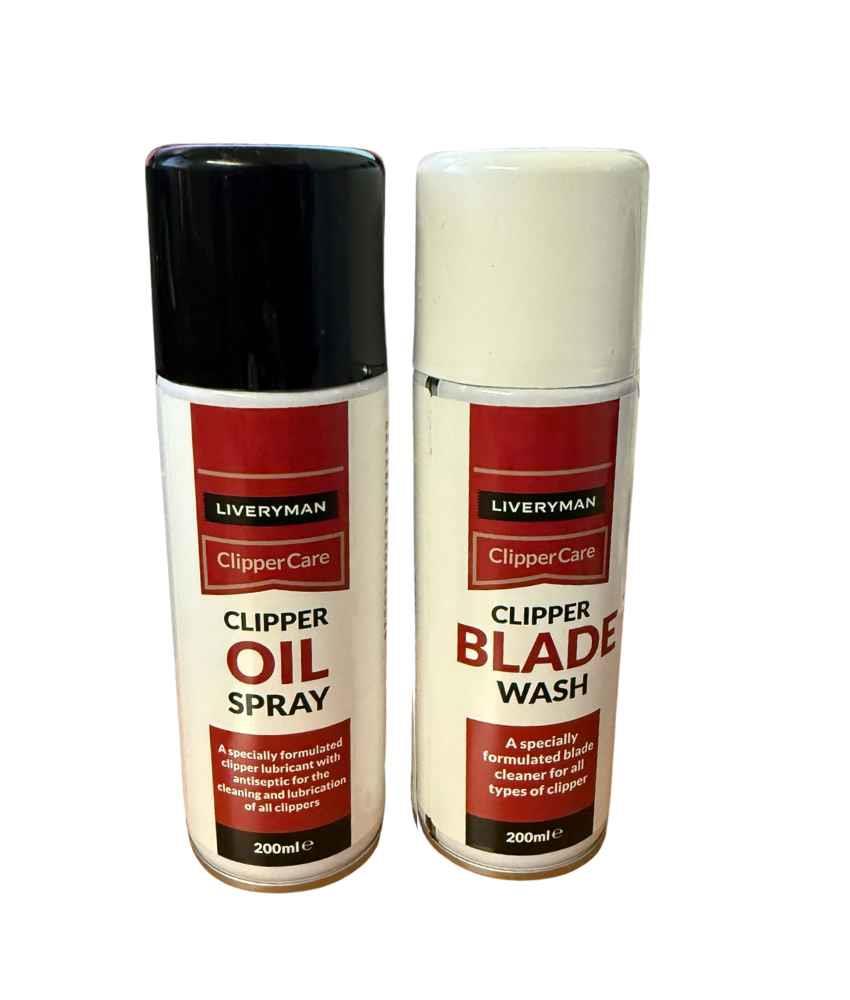
Blades do the cutting, so most clipping problems start there. Oil them little and often — a few drops every five to ten minutes — keep the tension set as the manual describes (too loose pulls the coat, too tight overheats), and brush hair out of the blades between passes. Clip a clean, dry coat where you can, because grease and mud blunt blades quickly. Blunt blades drag rather than cut, so have them sharpened or replaced instead of pressing harder.
Introducing a nervous horse to clippers
Let your horse see and hear the clippers switched off first, then running from a distance, before anything touches them. Rest the back of your hand against their shoulder with the clippers running in your hand so they feel the vibration gently, keep the first sessions short, and start with a quiet trimmer on the shoulder rather than a body clipper near the head. Take help from an experienced person if you can, and if your horse stays very anxious about clipping, speak to your vet before pushing on.
Clipping and trimming favourites
- Blade care essential: Liveryman Clipper Oil Liquid (from £4.45) — the little-and-often oiling every clip depends on; keep a bottle with your kit.
- First trimmer: Wahl Pocket Pro Trimmer (from £9.47) — a pocket-sized battery trimmer for bridle paths, whiskery chins and quick tidy-ups.
- Quiet cordless trimmer: Liveryman Classic Trimmer (from £97.74) — a step up for faces and legs, quiet enough for many nervous horses.
- Corded/cordless kit: Wahl KMC+ Equine Corded/Cordless Clipper Kit (from £230.82) — runs off battery or mains, so a flat battery never stops the clip halfway.
- Cordless body clipper: Liveryman Harmony Plus with 1.6 mm narrow blade (from £259.95) — a popular all-round cordless clipper for full and partial clips.
- Heavy-duty mains clipper: Liveryman Black Beauty Mains Clipper (from £399.95) — constant corded power for thick coats and yards with several horses to clip.
Frequently asked questions
When should I clip my horse?
Most owners give the first clip in early autumn once the winter coat has come through, then repeat as it regrows. Many stop around late January to early February so the summer coat can come through untouched, although horses in hard work are sometimes clipped year-round. Base the decision on your horse's workload and how much they sweat, not the calendar alone.
How often does a horse need clipping?
Roughly every 3–6 weeks through autumn and winter, depending on how quickly the coat grows and the style of clip. A horse in light work with a small trace clip may only need one or two clips a season, while a full clip on a fast-growing coat needs redoing more often.
How do I look after clipper blades?
Brush hair out and oil the blades every five to ten minutes while clipping, keep the tension set as the manufacturer describes, and clean and lightly oil them before storing somewhere dry. Send blades for professional sharpening when they start to drag — blunt blades pull the coat and make clipping uncomfortable for the horse.
My horse is nervous of clippers — what can I do?
Build up gradually: clippers switched off first, then the sound from a distance, then vibration through your hand on the shoulder, keeping sessions short with plenty of breaks and rewards. A small, quiet trimmer is usually better received than a full-size body clipper. If your horse remains very stressed despite patient practice, speak to your vet about the safest way forward.
Not sure which clipper or blade you need? Tap the WhatsApp button at the bottom of the screen and the Just Horse Riders team will happily help you choose.