
Girths
Comfort at the girth line.
Anatomical, anti-chafe, fleece and leather girths in long and short fittings — with a simple measuring guide.
Horse & Pony Girths
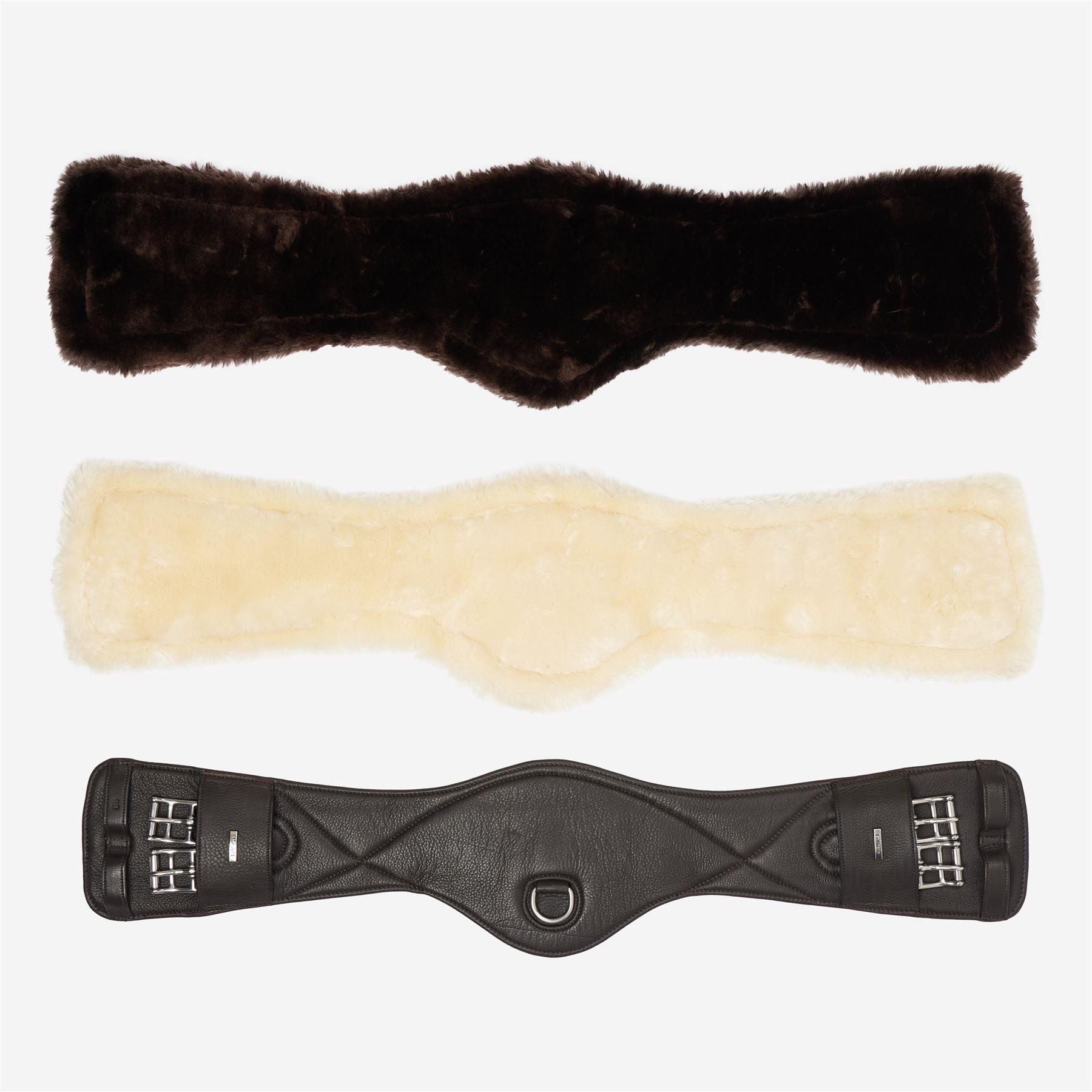
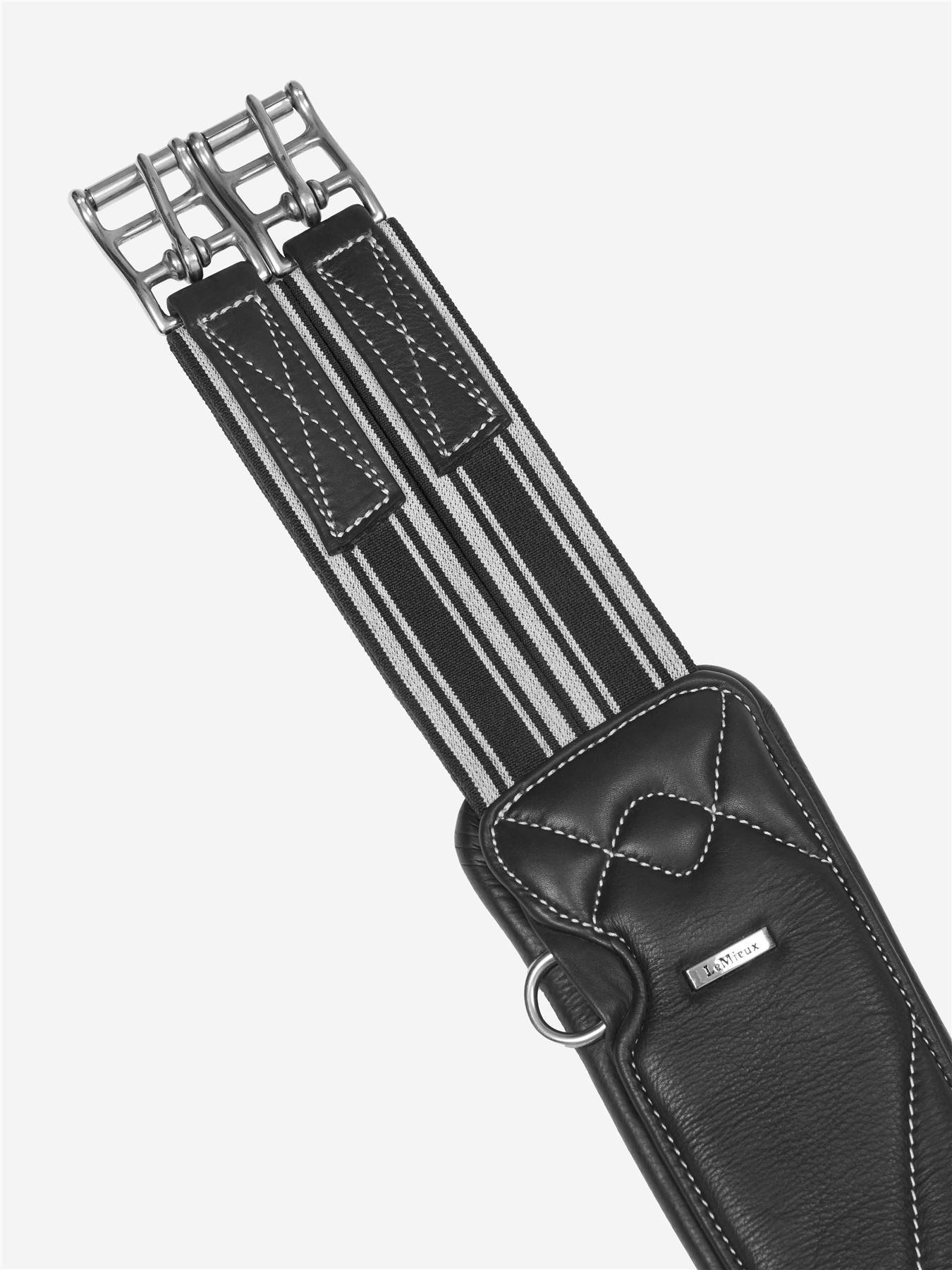

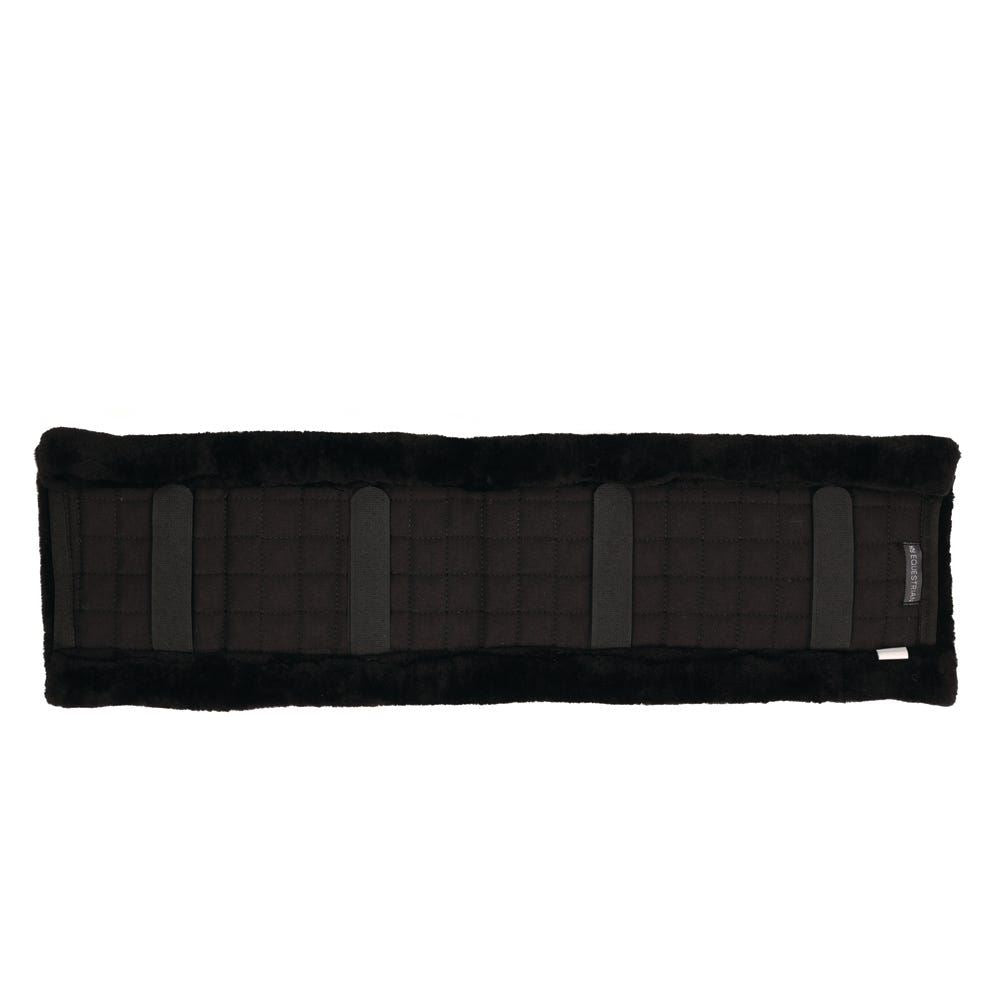
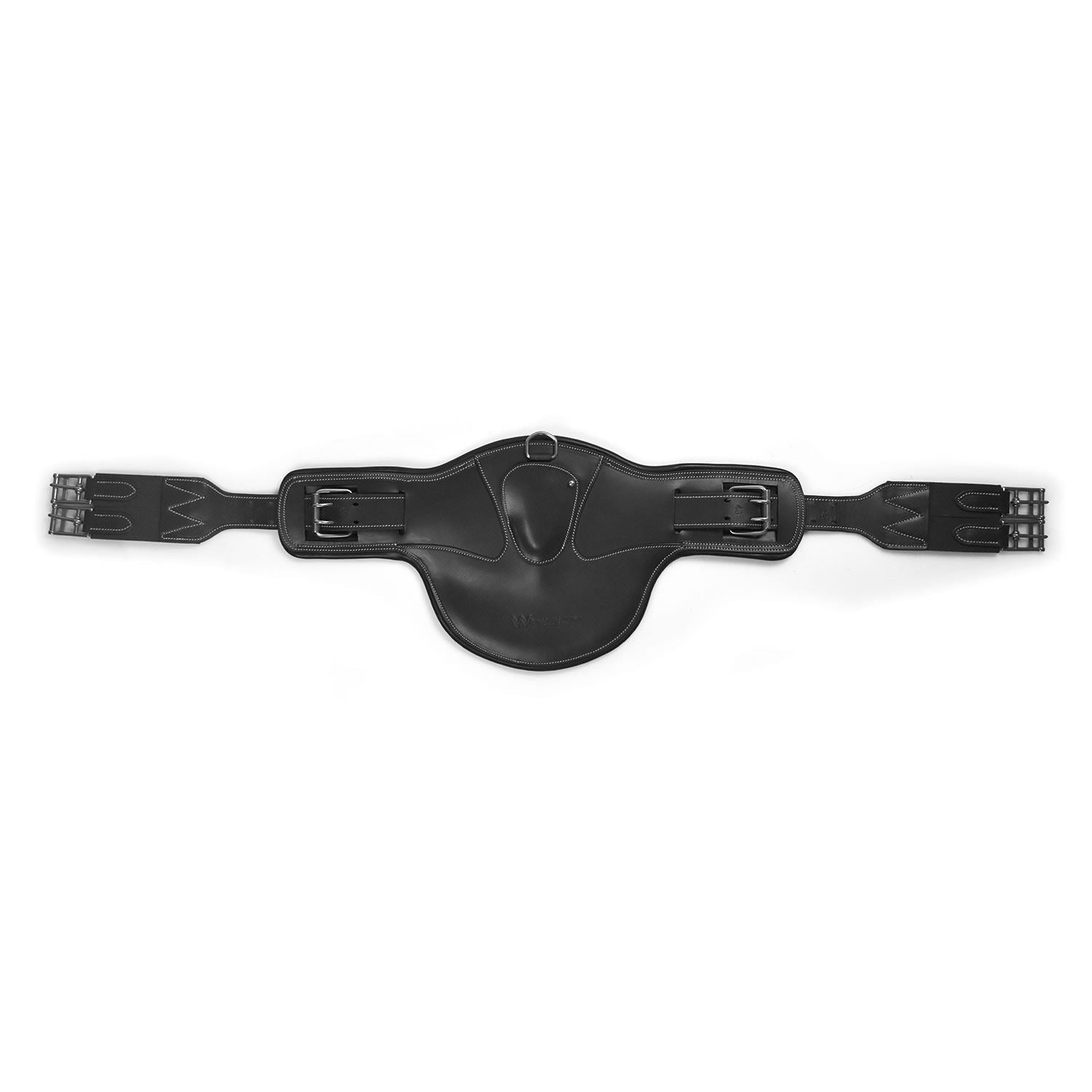
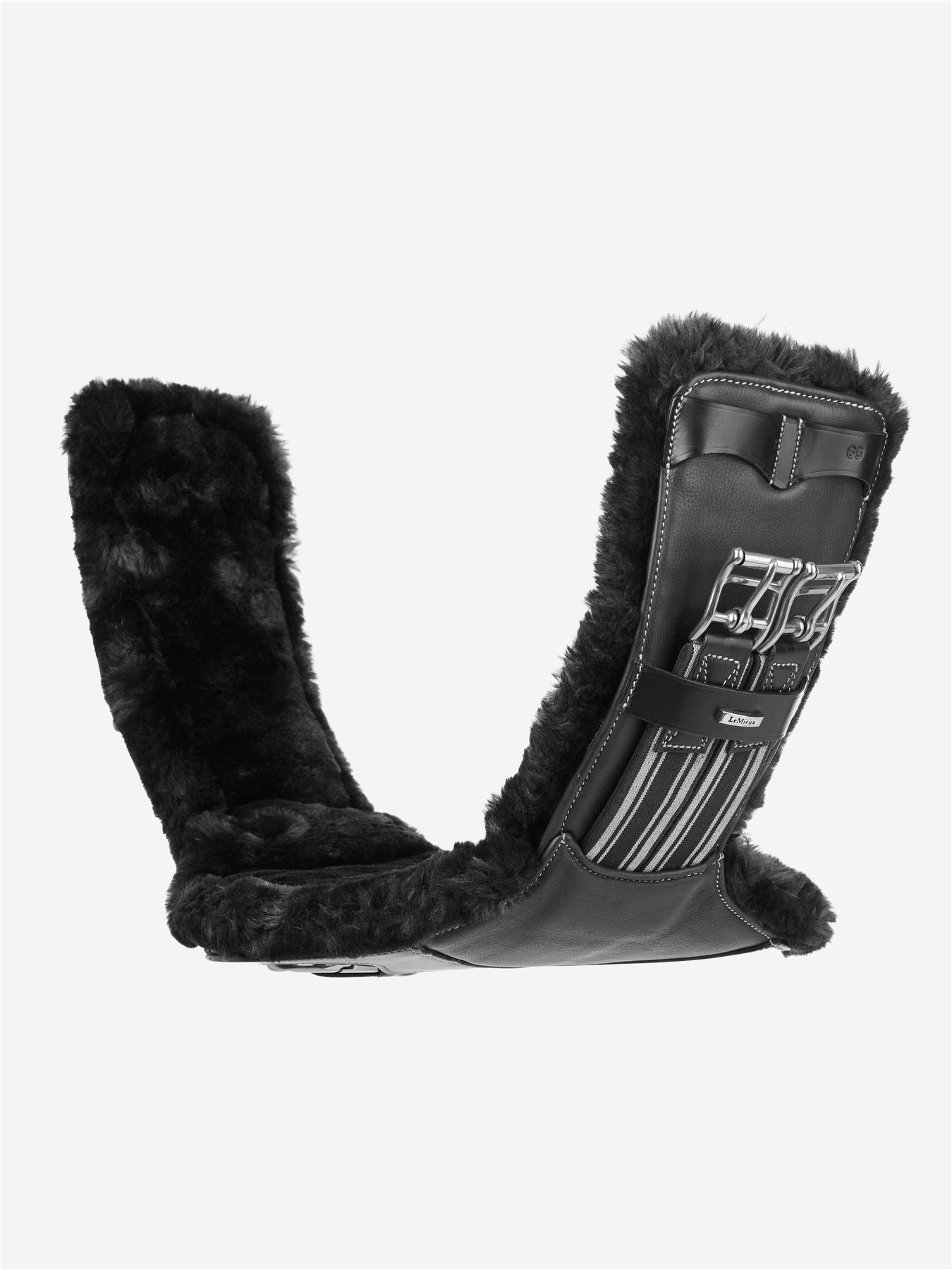
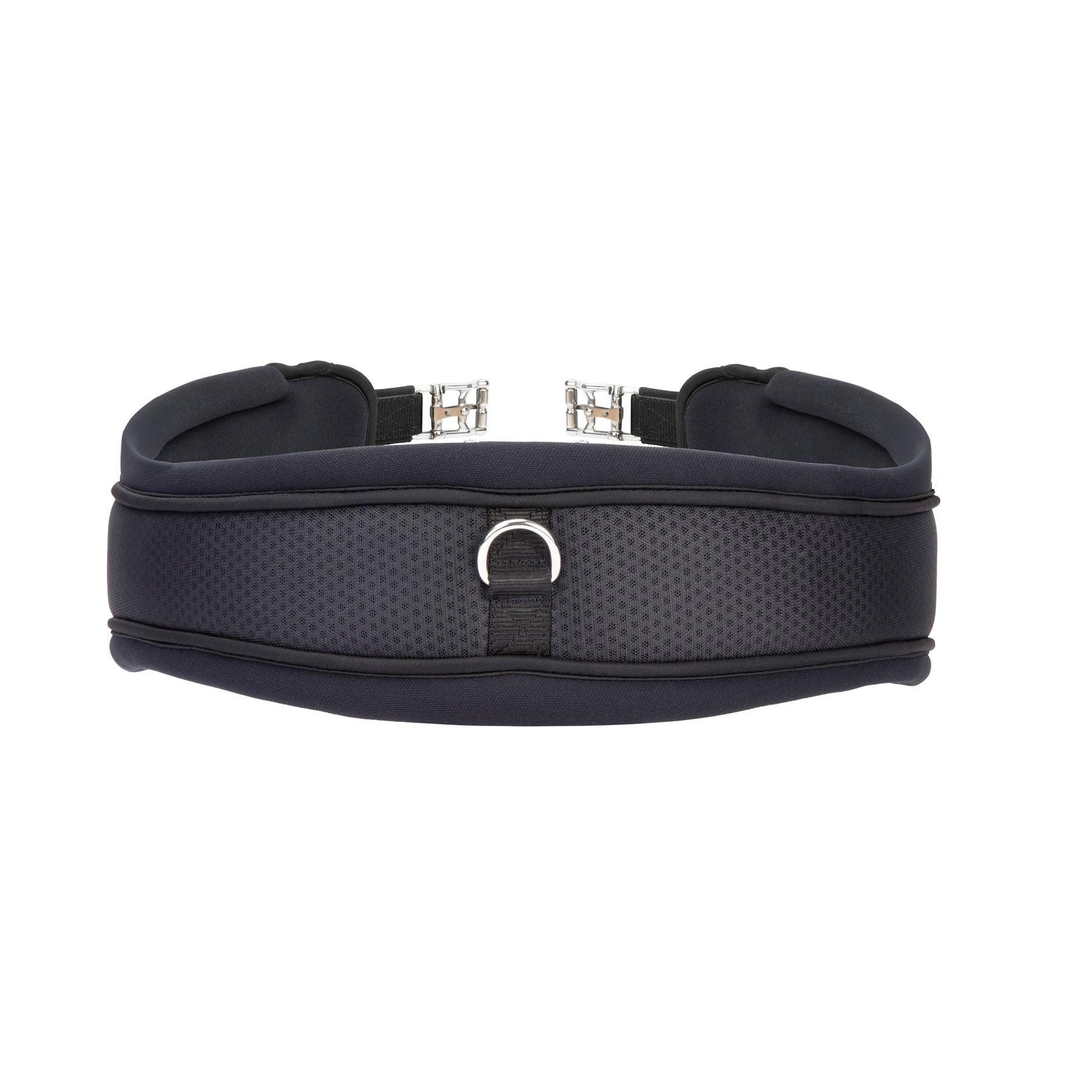
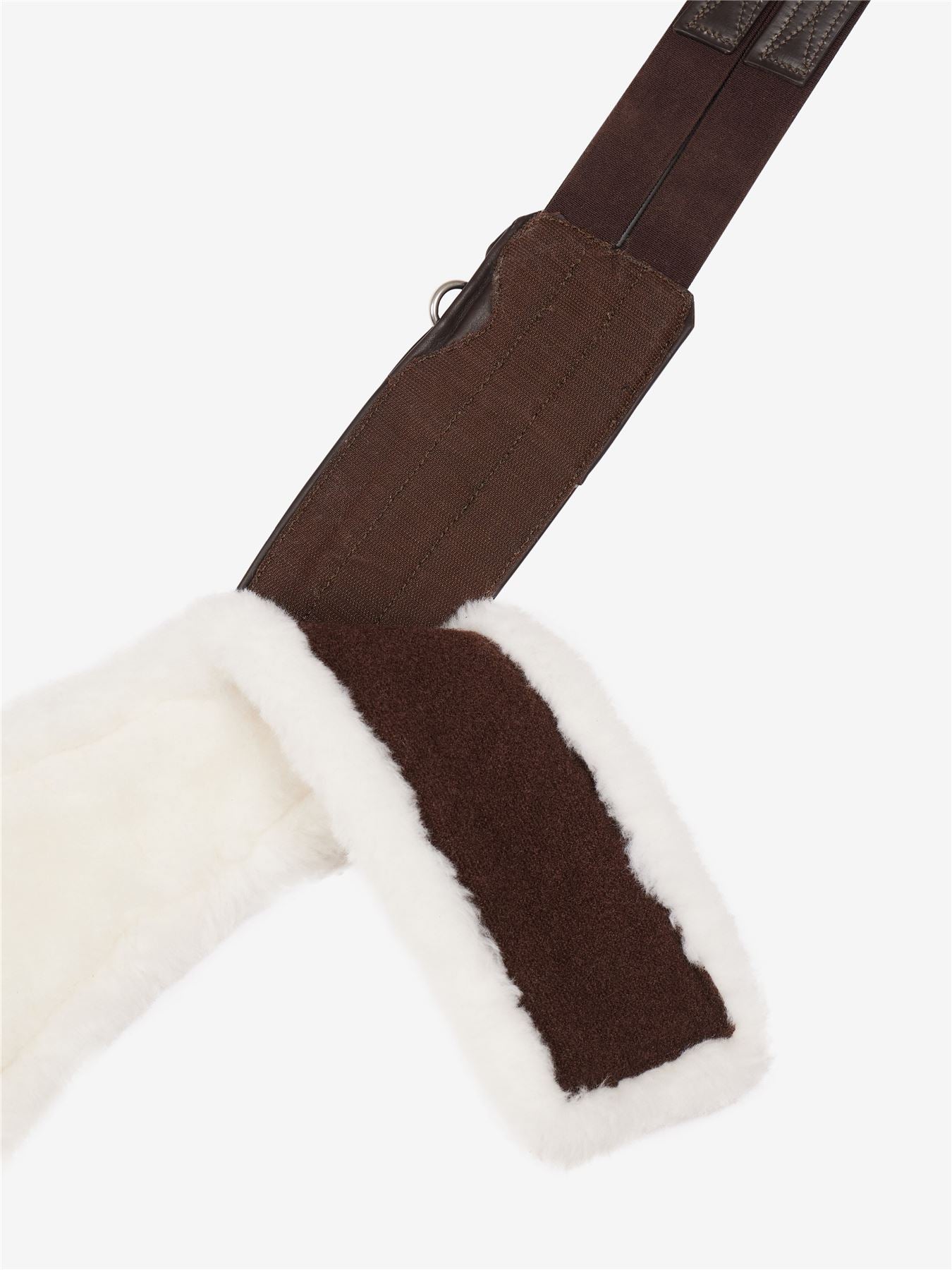
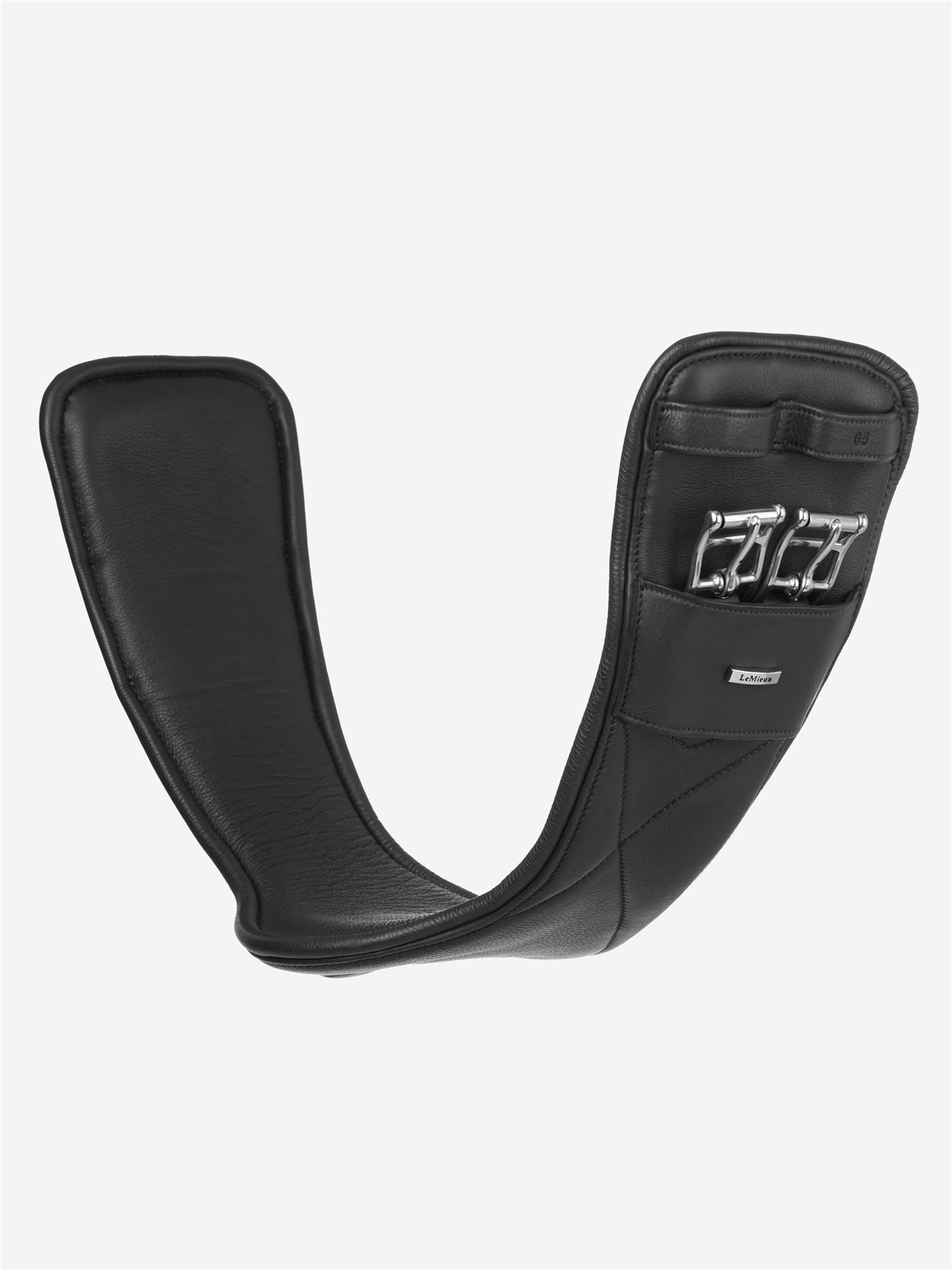
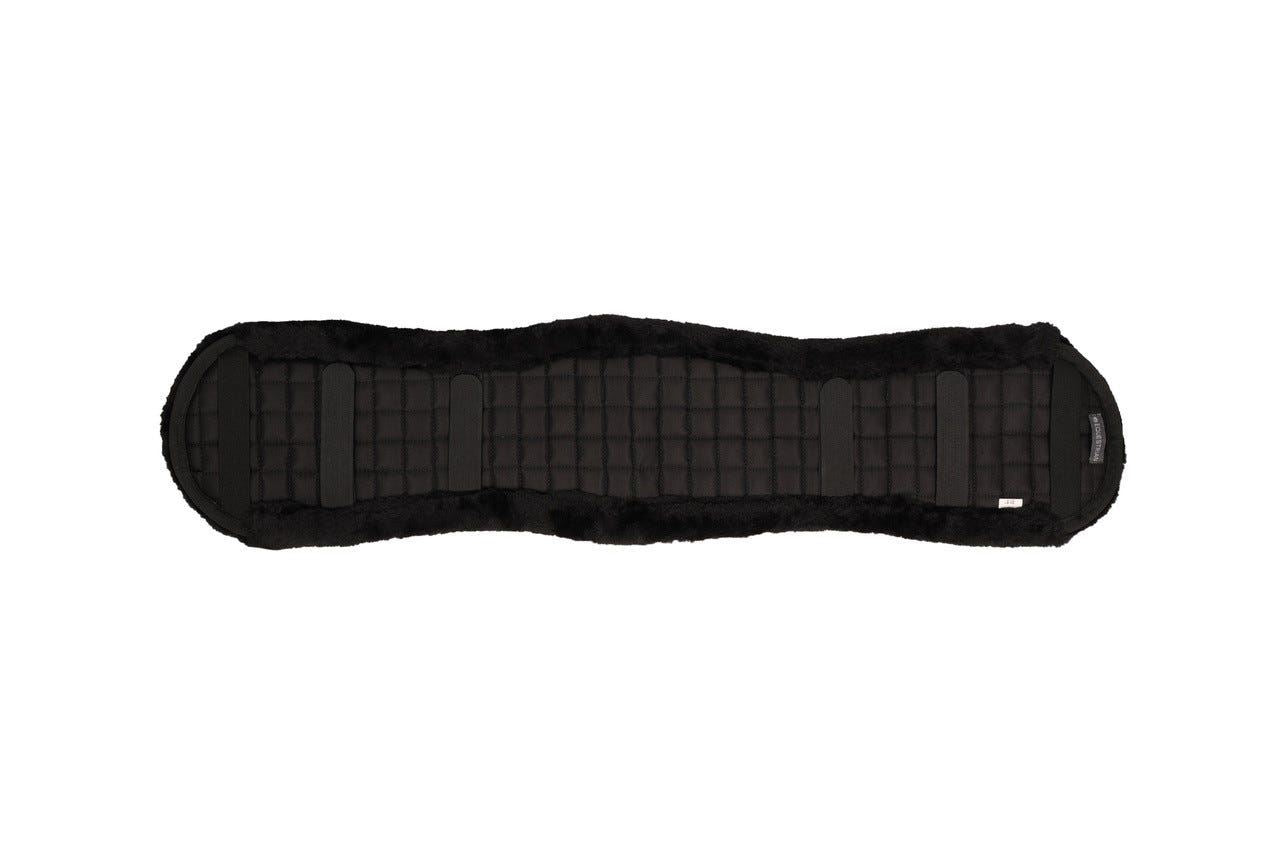
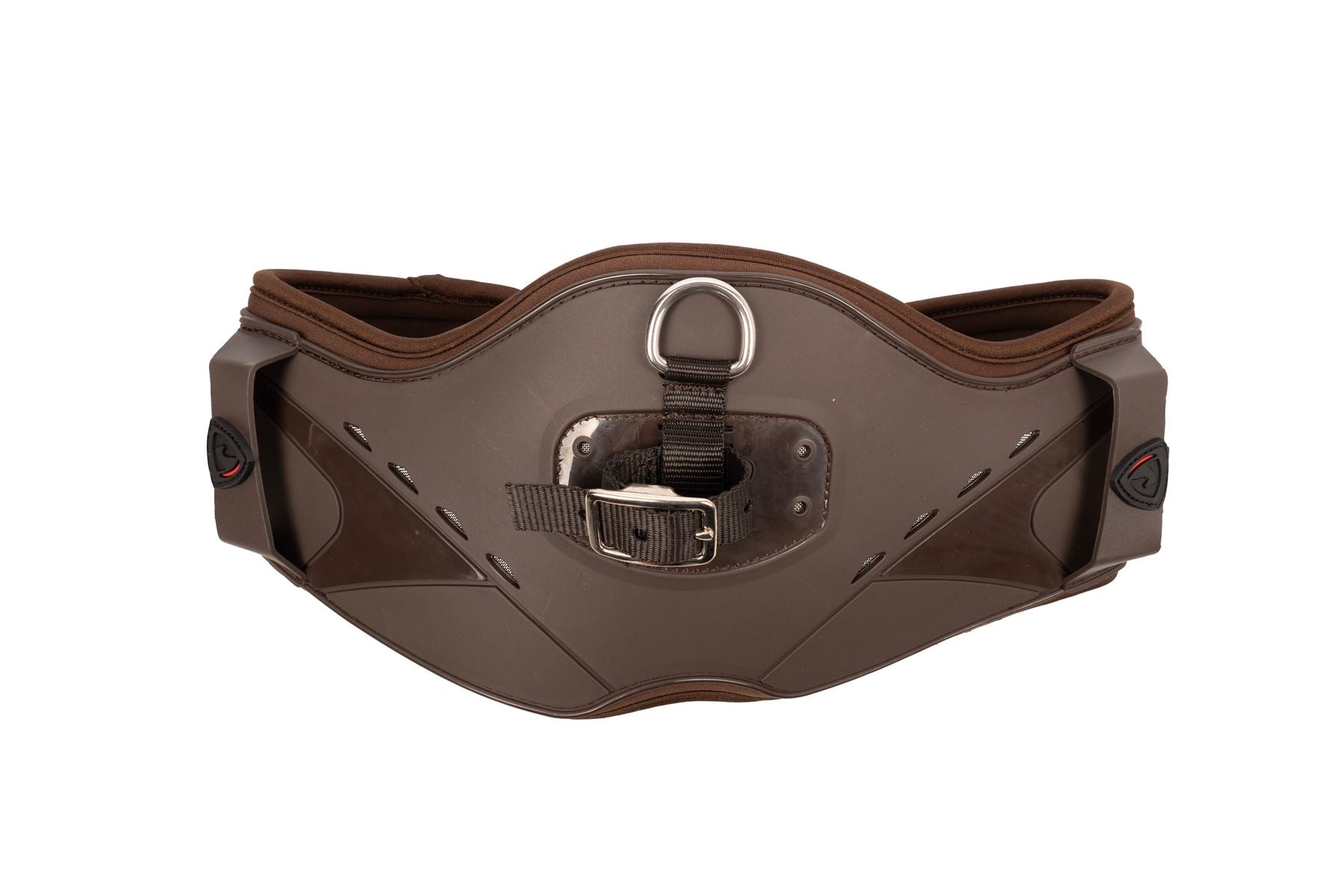
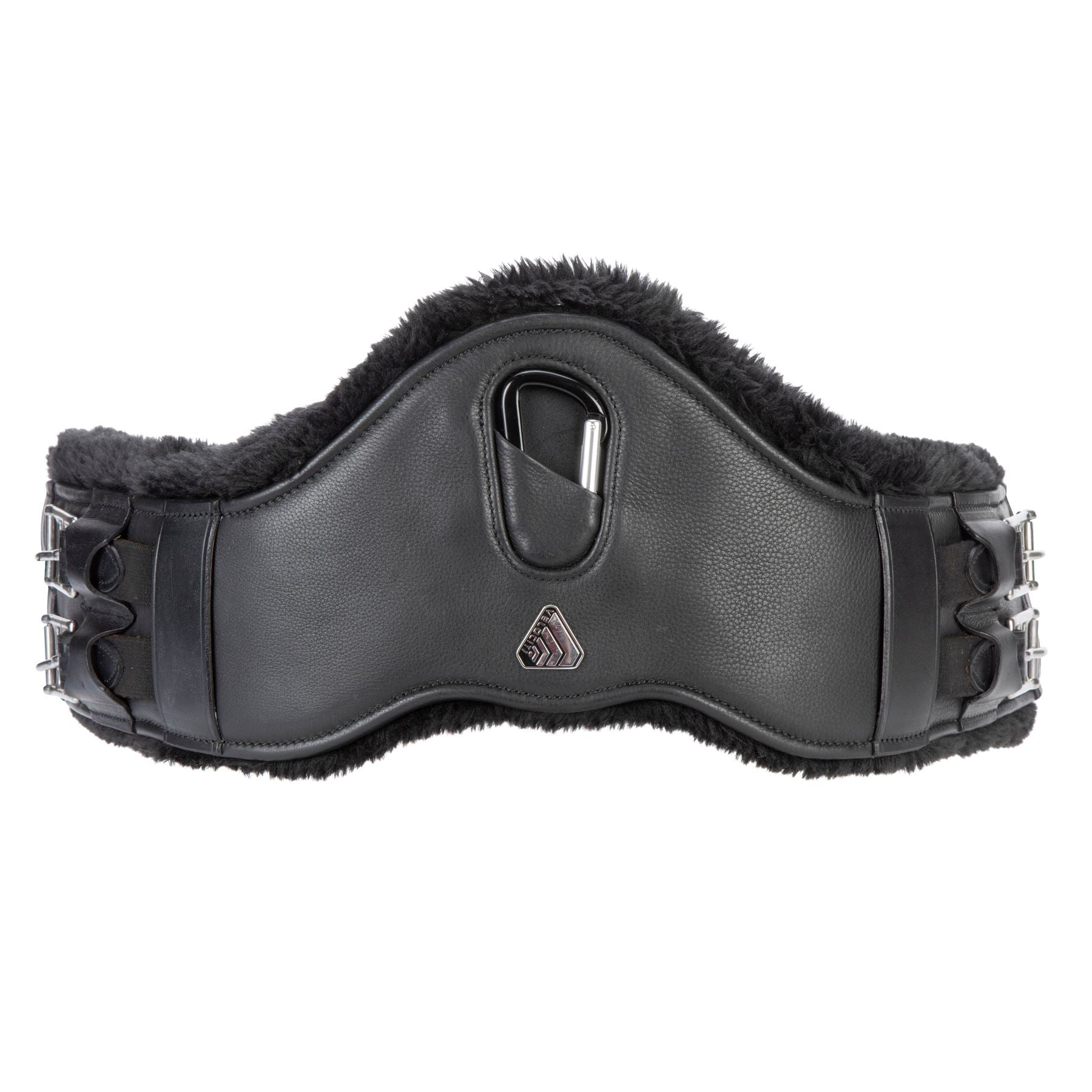
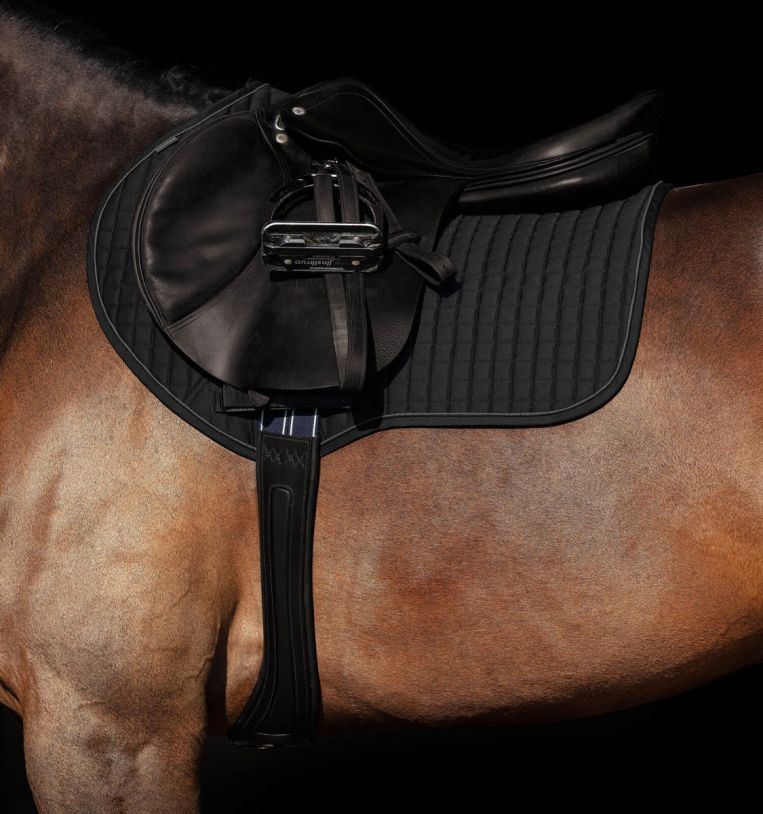
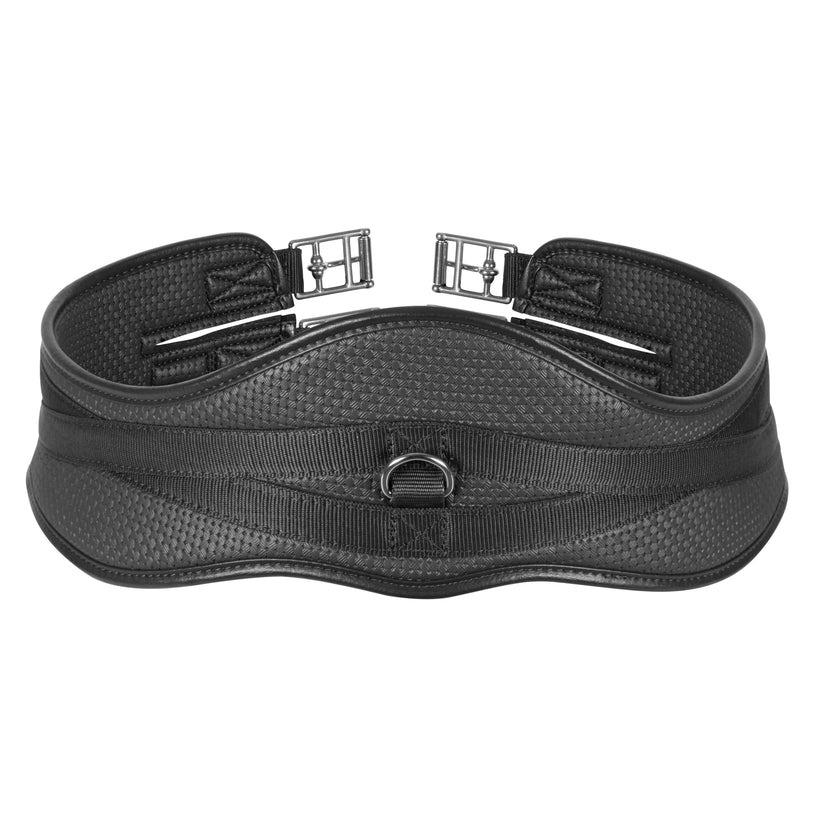
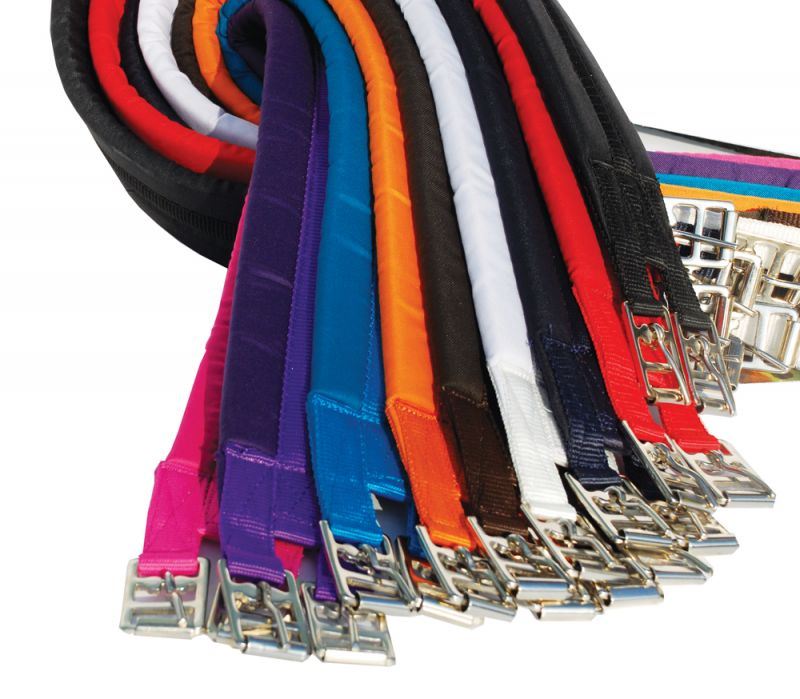
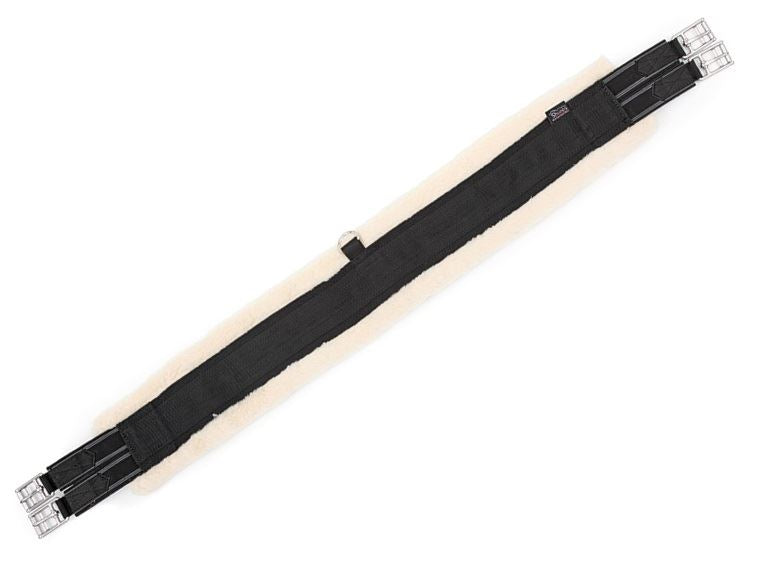
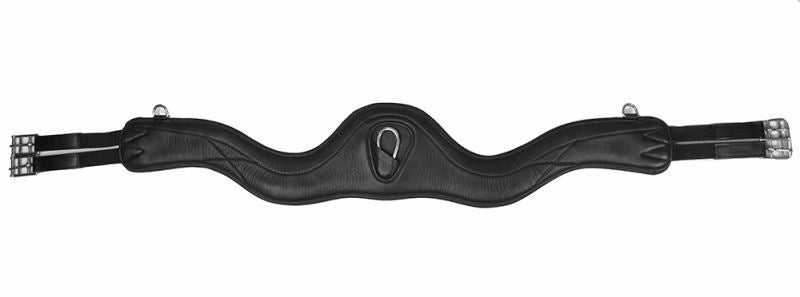
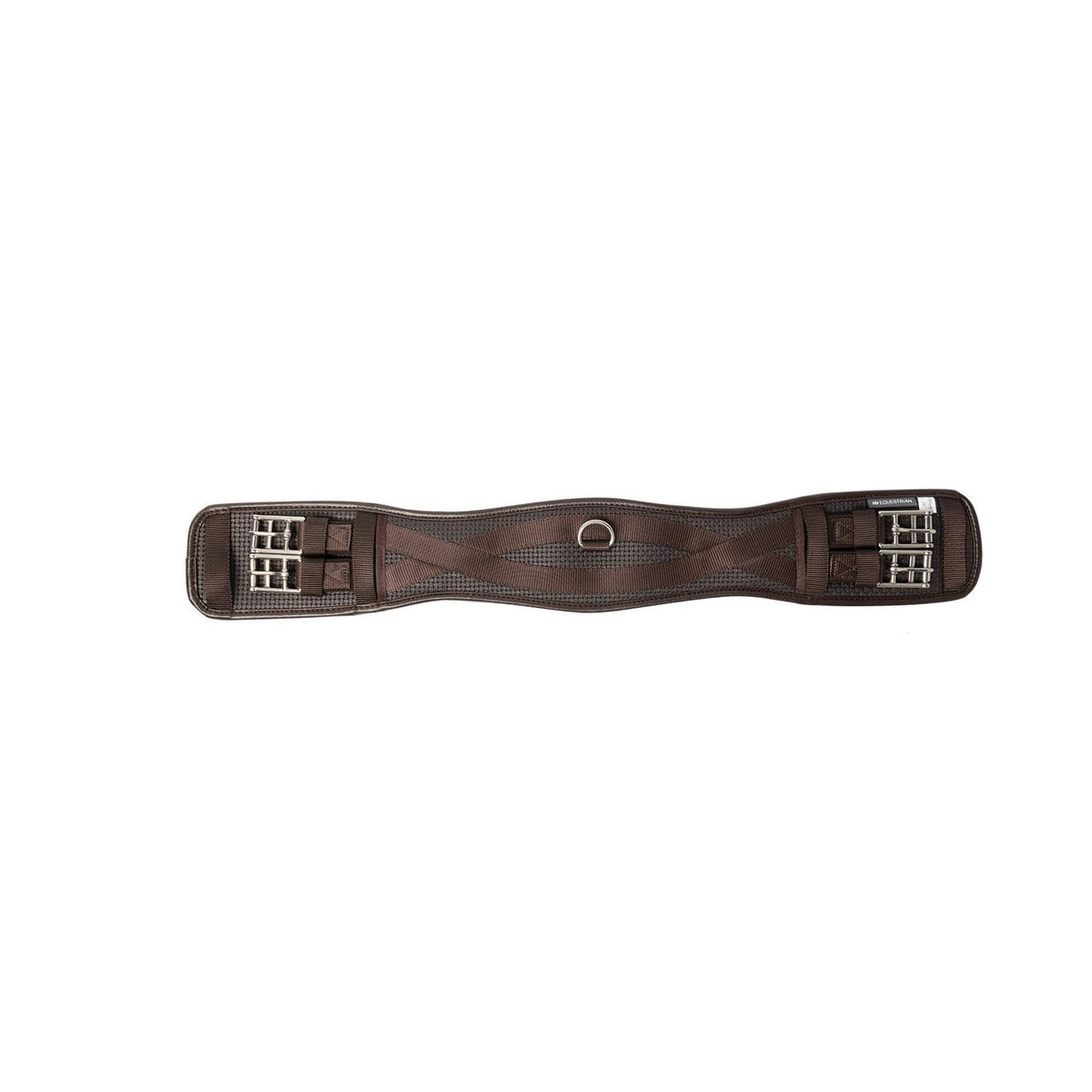
The girth holds your saddle secure, so comfort and fit matter more here than almost anywhere else in the tack room. The main choices are anatomical and anti-chafe girths (shaped away from the elbows for sensitive horses), padded cotton and fleece girths (soft everyday options), memory foam, smart leather, and short dressage girths for saddles with long straps. Just Horse Riders stocks over 200 girths from brands including Shires ARMA, Rhinegold, Hy and Windsor, from around £6.
Free UK delivery over £50 · Fast next-day delivery available · 90-day returns · Family-run UK retailer since 2010.
Girth advice from the Just Horse Riders team — last reviewed June 2026.
Which girth do I need?
| Type | Best for |
|---|---|
| Anatomical / anti-chafe | Shaped behind the elbows — sensitive or girthy horses |
| Padded cotton | Everyday value and easy washing |
| Fleece-lined | Soft against clipped or fine coats |
| Memory foam | Cushioned pressure relief |
| Leather | Smart, durable, easy to clean |
| Short (dressage) | Saddles with long girth straps |
What size girth does my horse need?
The reliable way: measure a girth that already fits, buckle-end to buckle-end, in inches. Fitted, the buckles should sit a few holes up from the bottom on both sides — not maxed out either way — leaving room to adjust as your horse changes shape through the season.
How tight should a girth be?
Snug enough that the saddle doesn't slip, but you should still be able to slide a flat hand between girth and horse. Tighten gradually — do it up gently, walk a few steps, then take it up a hole or two before mounting. Check elastication too: if only one end is elasticated, tighten mostly from that side to keep pressure even.
Girth favourites
- Best anti-chafe: Shires ARMA Anti-Chafe Anatomical Girth (from £36.00).
- Everyday value: Rhinegold Cotton Padded Girth (from £6.23).
- Soft option: Shires Fleece Lined Girth (from £18.62).
- Smart leather: Rhinegold Ultra Anatomical Leather Girth (from £47.75).
- Best dressage girth: HyCOMFORT Waffle Dressage Girth (from £27.82).
Complete the set-up with saddlecloths & numnahs and stirrups & leathers.
Frequently asked questions
How do I measure my horse for a girth?
Easiest: measure a girth that already fits, buckle-end to buckle-end, in inches. Starting from scratch, saddle up and measure from a few holes down on one side, under the belly, to the same point the other side — then round to the nearest even size.
What is the difference between a long and short girth?
Long girths (roughly 40 to 56 inches) suit GP and jumping saddles with short straps; short girths (roughly 22 to 32 inches) suit dressage and monoflap saddles with long straps, so the buckles sit below the saddle flap.
Are anatomical girths worth it?
For horses that are girthy, sensitive-skinned or move big through the shoulder, yes — the cutaway shape behind the elbows reduces rubbing and pressure. For a thick-skinned happy hacker, a well-fitted padded cotton girth does the job.
How tight should a girth be?
Firm enough that the saddle stays put, with room to slide a flat hand underneath. Tighten in stages — gently at first, then up a hole or two after walking off — rather than cranking it in one go.
Not sure on size or style? Tap the WhatsApp button at the bottom of the screen and one of the team will help.