
Horse First Aid
Ready before you need it.
Wound care, dressings, poultices and yard essentials for the minor scrapes — and clear guidance on when to call the vet.
Horse First Aid
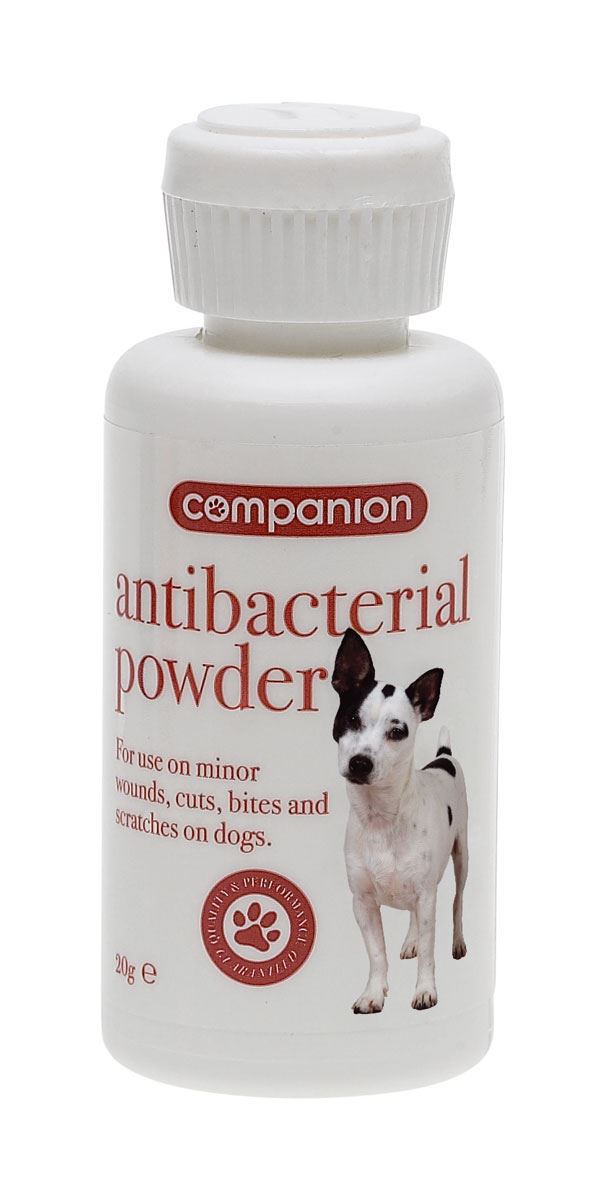

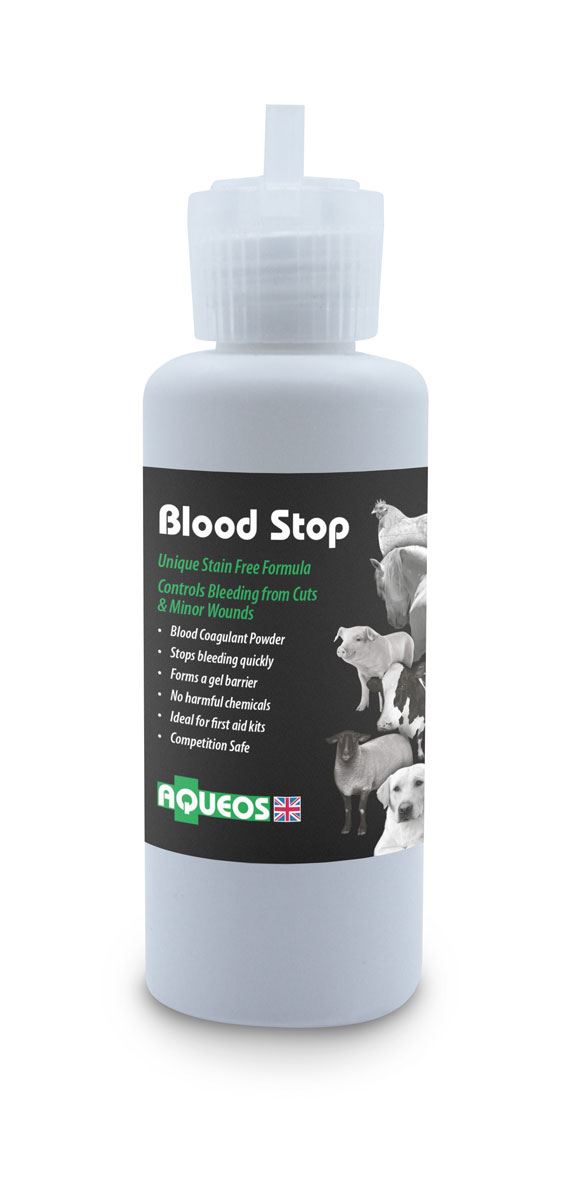
Every yard needs a well-stocked first aid kit for the minor scrapes, knocks and skin niggles that horses collect. This range covers antiseptic sprays and washes, cohesive bandages and dressings, poultices and medical hoof boots, and everyday skin creams and barriers — from brands including Gold Label, Vetset, Lincoln, Battles and Woof Wear, from under £2.
Important: first aid is for minor wounds and everyday care. If a wound is deep, near a joint or eye, bleeding heavily, or your horse is lame, in pain or off colour — call your vet first. Nothing here replaces veterinary care.
Free UK delivery over £50 · Fast next-day delivery available · 90-day returns · Family-run UK retailer since 2010.
First aid advice from the Just Horse Riders team — last reviewed June 2026.
What should be in a horse first aid kit?
| Item | What it's for |
|---|---|
| Antiseptic spray / wash | Keeping minor cuts and grazes clean |
| Cohesive bandage | Self-sticking layer to hold dressings in place |
| Dressings & padding | Covering wounds under a bandage — never bandage bare skin |
| Poultice | Drawing and cleaning hoof abscess sites and wounds (vet-guided) |
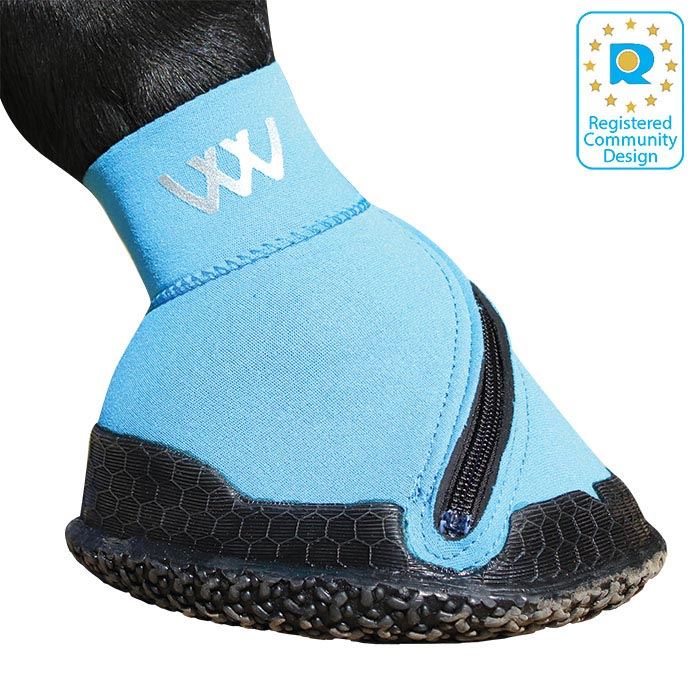
| Medical hoof boot | Keeps a hoof dressing clean and dry without tape |
| Thermometer, scissors, torch, gloves | The basics for checking and dealing with problems |
| Skin creams & barriers | Everyday care for mud-prone legs and sore spots |
Dealing with a minor cut or graze
Rinse with clean water or saline, gently clean around it, and apply an antiseptic spray. Keep an eye on it daily — if it's more than skin-deep, near a joint, swells, or your horse goes lame or dull, ring the vet. Know your horse's normal temperature (around 37.5–38.5°C), pulse and breathing so you can spot "not right" early.
When to call the vet — not the first aid kit
Deep or gaping wounds, anything near a joint, tendon or eye, heavy bleeding, sudden or severe lameness, suspected colic, or a horse who is dull and off feed. When in doubt, call — a phone call is free, and early advice beats a bigger problem later.
First aid essentials
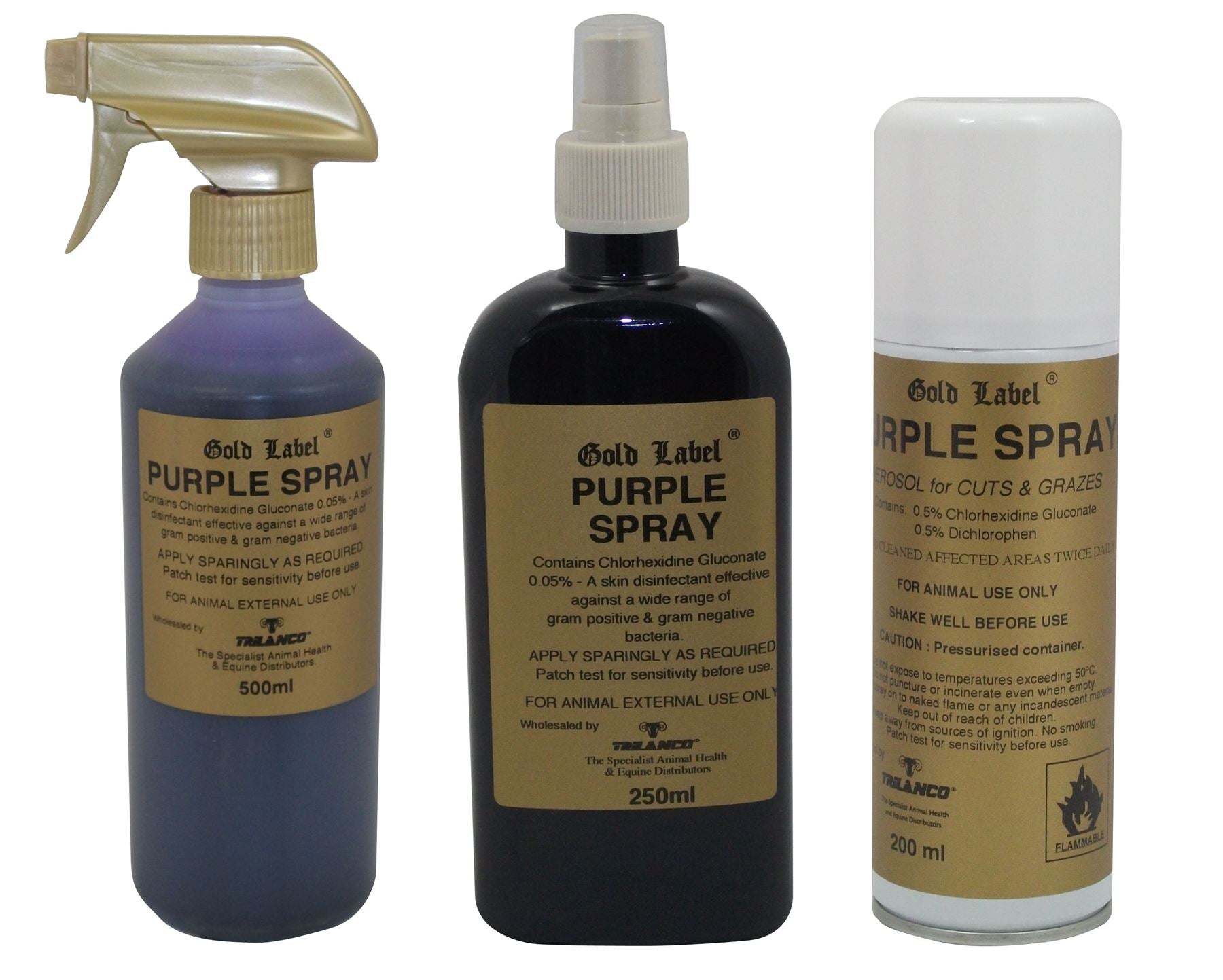
- Classic wound spray: Gold Label Purple Spray (from £4.57).
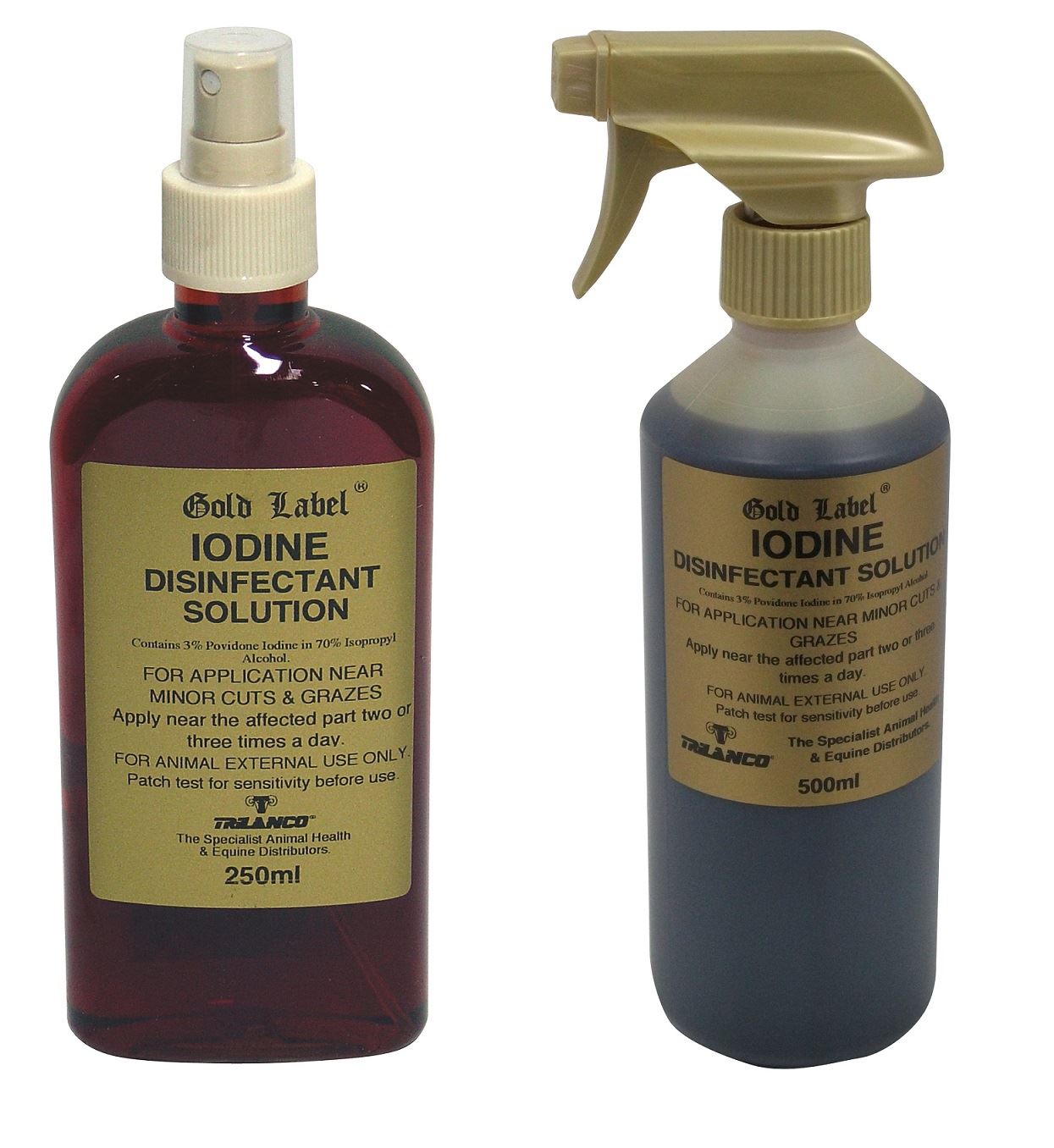
- Antiseptic staple: Gold Label Iodine Spray (from £4.49).
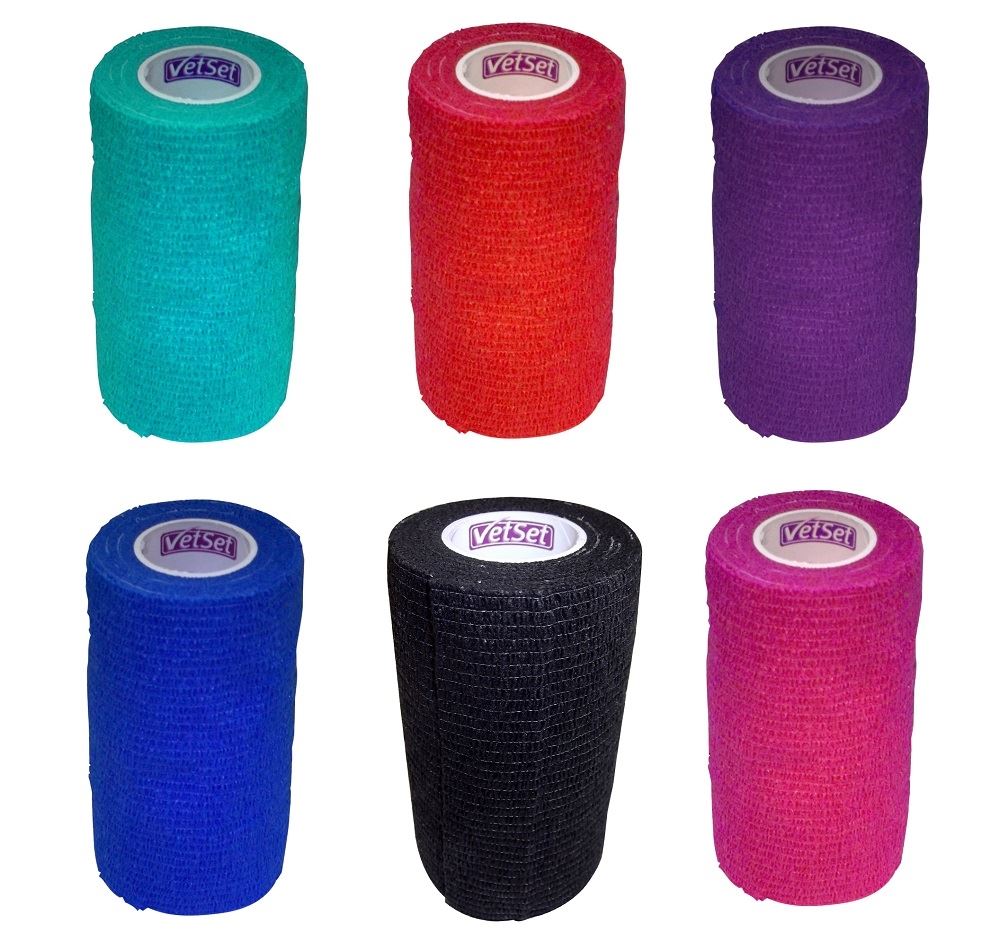
- Kit essential: Vetset Wraptec Cohesive Bandage (from £1.80).
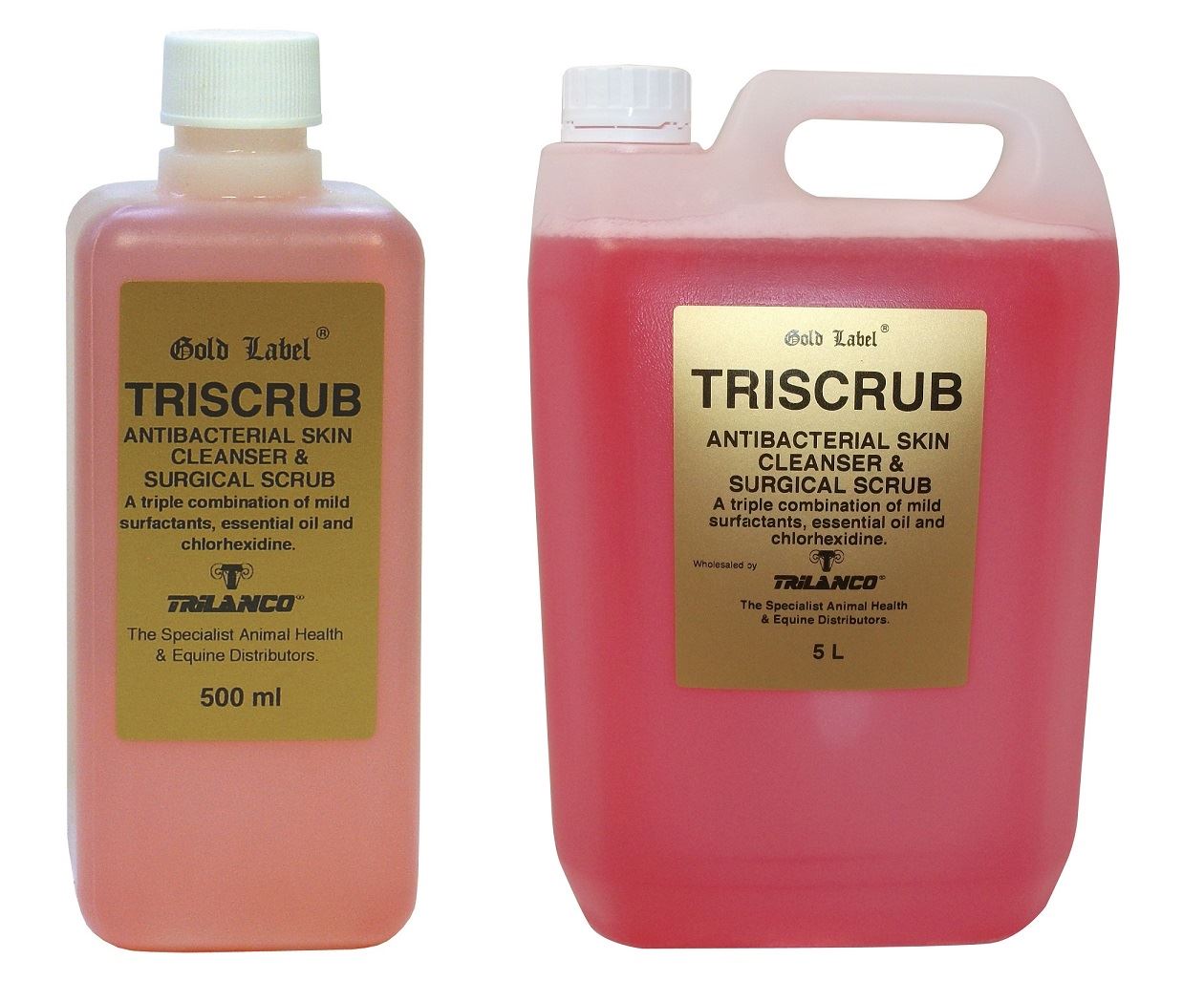
- Antibacterial wash: Gold Label Triscrub (from £5.15).
- For hoof dressings: Woof Wear Medical Hoof Boot (from £36.99).
Frequently asked questions
What should be in a horse first aid kit?
The core kit: antiseptic spray or wash, cohesive bandage, wound dressings and padding, a poultice, round-ended scissors, a thermometer, gloves and a torch — plus your vet's number where everyone can find it. Add a medical hoof boot if your horse is prone to hoof trouble.
When should I call the vet rather than treat it myself?
Call the vet for anything deep or gaping, wounds near a joint, tendon or eye, heavy bleeding, sudden lameness, suspected colic, or a dull horse who is off feed. First aid at home is for minor, surface-level scrapes only — when in doubt, ring.
How do I poultice a hoof?
Cut the poultice to size, soak if using wet, apply to the clean hoof, pad, then secure with cohesive bandage and keep it clean with a medical hoof boot or tape. Poulticing is usually part of a vet-guided plan for an abscess — follow their advice on duration and changes.
What is a normal temperature for a horse?
Roughly 37.5–38.5°C for an adult horse at rest. It's worth taking your horse's temperature occasionally when healthy, so you know their normal — a rising temperature is an early warning worth reporting to your vet.
Building a kit from scratch? Tap the WhatsApp button at the bottom of the screen and one of the team will help you tick everything off.