
Horse Wear
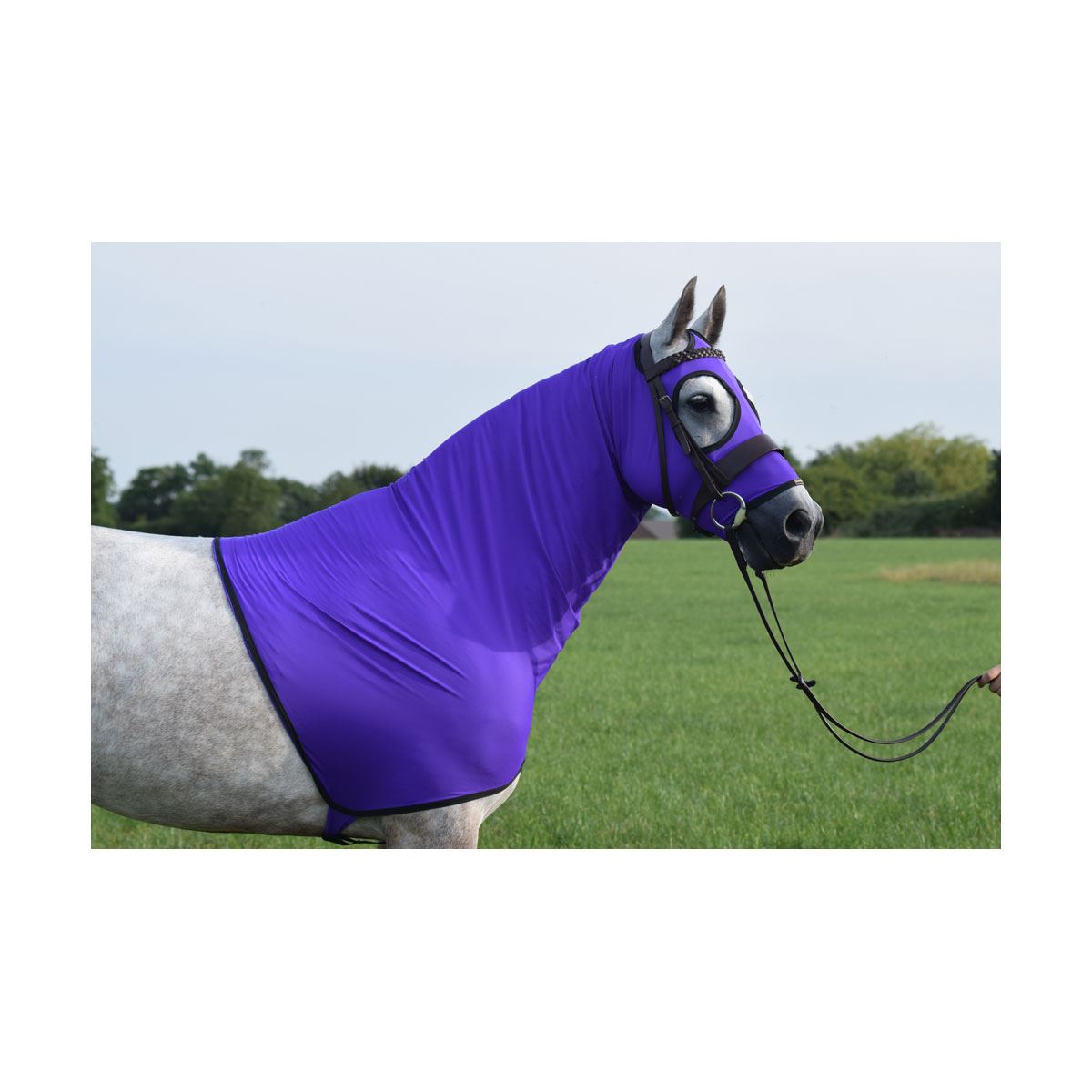
Horse wear is everything your horse actually wears — rugs, leg protection, headcollars, fly protection, hoods and tail guards. The choices that usually matter are the job (living out, stabled, in work or travelling), the season (fly cover for summer, warmth and waterproofing for winter) and the fit — most horse wear is sized pony, cob and full, while rugs are sized in feet and inches. Just Horse Riders stocks over 1,000 horse wear products from brands including Shires, WeatherBeeta, Premier Equine and Woof Wear, from around £1.
Free UK delivery over £50 · Fast next-day delivery available · 90-day returns · Family-run UK retailer since 2010.
Horse wear advice from the Just Horse Riders team — last reviewed July 2026.
Choosing the right section
| Section | What you'll find |
|---|---|
| Horse Rugs | Turnout, stable, fleece and cooler rugs plus exercise sheets — sized in feet and inches. |
| Horse Boots & Bandages | Brushing boots, over reach boots, tendon boots and bandages for exercise, turnout and travel. |
| Headcollars & Leads | Everyday and field-safe headcollars with matching lead ropes. |
| Fly Protection | Fly masks, fly rugs, ear bonnets and fly veils for the warmer months. |
| Horse First Aid | Cohesive bandages, poultice boots, padding and wound-care basics for the yard kit. |
Getting the size right
Rugs run in three-inch steps from around 4ft 9in to 7ft 0in — measure from the centre of the chest, along the horse's side, to the end of the rump, and go up a size if you are between two. Boots, muzzles and headcollars usually run small pony to x-full; every product page carries the maker's own size guide, and 90-day returns make it easy to swap a size that does not work out.
Buying for the season
Fly season in the UK typically runs April–October, so fly veils, masks and fly rugs earn their keep from mid-spring. Turnout rugs matter most from autumn onwards, with lightweight and no-fill options bridging the gap in between. If your horse reacts badly to midge or fly bites, speak to your vet about the best approach before the season starts.
Horse wear favourites
- Bestseller: Shires Arma Neoprene Over Reach Boots (from £12.60) — tough, flexible neoprene over reach boots for exercise and turnout, in pony to x-full and a big colour range.
- Budget buy: Rhinegold Fly Veil/Noise Muffler (from £6.10) — cotton-rich ear net that sits neatly under the bridle to keep flies off and soften noise for spooky hackers.
- Everyday leg protection: Shires Arma Air Motion Brushing Boots (from £20.70) — lightweight, breathable brushing boots with moulded strike pads, small pony to x-full.
- First-aid kit staple: Woof Wear Medical Hoof Boot (from £36.99) — stretchy neoprene hoof boot that keeps poultices and dressings clean and dry in the stable or field, sizes H0–H9.
- Grazing management: ThinLine Flexible Filly Grazing Muzzle (from £88.99) — soft, flexible muzzle designed to slow grass intake, with a breakaway safety feature; speak to your vet before restricting grazing.
Frequently asked questions
What size rug does my horse need?
Measure from the centre of the chest, along the horse's side, to the end of the rump — that measurement in feet and inches is the rug size. Rugs run in three-inch steps, and if your horse falls between two sizes it is usually better to go up rather than down.
What is the difference between a turnout rug and a stable rug?
A turnout rug has a waterproof outer so the horse can wear it in the field; a stable rug is not waterproof and is for indoor use only. Both come in different warmths, measured in grams of fill — no-fill or lightweight for mild weather, up to heavyweights of around 300g–400g for winter.
What size horse boots or headcollar should I buy?
Most boots, headcollars and muzzles come in small pony, pony, cob, full and x-full. Sizing varies a little between brands, so check the size guide on the product page — and if it does not fit, our 90-day returns make swapping straightforward.
When does my horse need fly protection?
Fly season in the UK generally runs April–October, so most owners bring out fly masks, fly rugs and ear bonnets from mid-spring. If your horse is particularly sensitive to bites, speak to your vet about the best combination of cover for your situation.
Not sure which section you need? Tap the WhatsApp button at the bottom of the screen and the team will happily point you in the right direction.