
For Laminitis-Prone Horses & Ponies


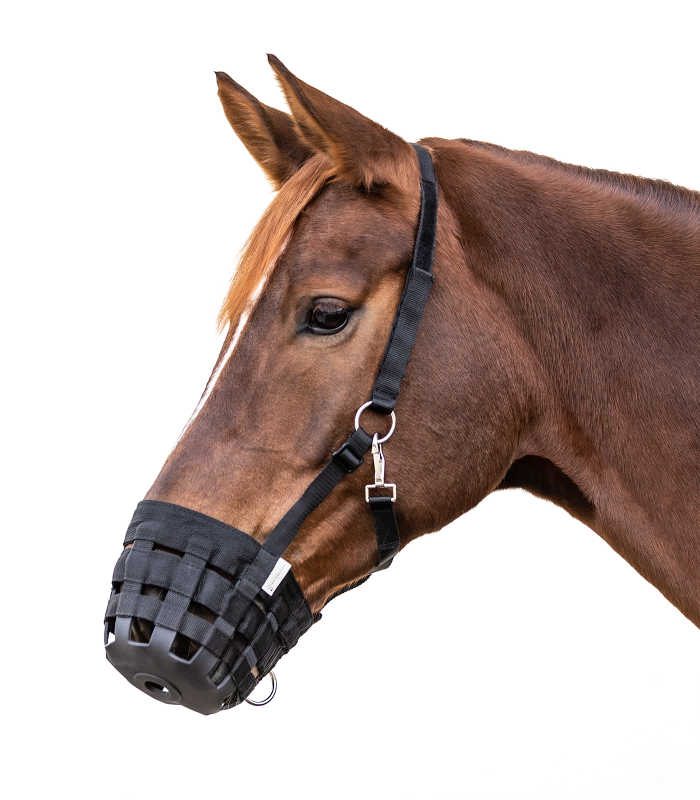

Horses and ponies prone to laminitis usually need their grass and sugar intake carefully managed, under your vet's guidance. This page brings together grazing muzzles, spare parts and supplements designed for laminitis-prone horses, from ThinLine, Shires (including Greenguard and FreeGraze), Hy Equestrian, Rhinegold, Equilibrium and Global Herbs. Laminitis is a painful, serious condition: if you suspect it, call your vet straight away.
Free UK delivery over £50 · Next-day on eligible items ordered before 4pm · 90-day returns · Family-run UK retailer since 2010.
How does a grazing muzzle help?
A grazing muzzle reduces how much grass a horse can eat while still letting them move around and stay with their companions. Popular choices include the ThinLine Flexible Filly Grazing Muzzle (from £88.99), the Shires Greenguard Muzzle (from £67.50), the Shires FreeGraze AirFlow Grazing Muzzle (from £20.70) and the Hy Muzzle (from £14.92). Introduce a muzzle gradually, check the fit and look for rubbing every day, and follow your vet's advice on how many hours a day it should be worn.
Which spare parts should I keep?
Keeping spares saves a trip when something breaks: the Shires Greenguard Spare Strap (from £3.60), ThinLine Replacement Breakaway Halter Piece (from £9.89) and Greenguard Muzzle Soft Insert (from £14.40) are among our most-ordered parts. An Equilibrium Field Relief Muzzle Protector (from £12.78) can reduce rubbing.
Are there supplements for laminitis-prone horses?
Some supplements, such as Global Herbs Laminitis Prone Supplement (from £24.54), are formulated for horses prone to laminitis. They are designed to support overall management, not to treat or cure the condition. Weight control, a suitable low-sugar diet, exercise and regular farrier care matter most, so talk to your vet or a qualified nutritionist about the right plan.
Explore more
Laminitis-prone horses: frequently asked questions
What are the signs of laminitis?
Common signs include reluctance to move, shifting weight between feet, a "rocked back" stance, heat in the hooves and a strong digital pulse. Laminitis is an emergency: call your vet straight away if you suspect it.
How long can a horse wear a grazing muzzle?
It varies by horse and situation. Muzzles should not be left on around the clock, and they need daily checks for fit and rubbing. Follow your vet's advice on how many hours a day your horse should wear one.
Can a horse drink with a grazing muzzle on?
Yes. Grazing muzzles are designed so horses can drink through them. Watch your horse the first few times to check they have learned to drink and graze comfortably.
How much does a grazing muzzle cost?
At Just Horse Riders, grazing muzzles start from around £9, with popular designs between about £15 and £90. Prices on the collection are live and may change.
Advice from the Just Horse Riders team. Last reviewed 2026-10-09. This page is general information, not veterinary advice; always follow your vet's guidance for a laminitis-prone horse.